New RCS Standard May Enable Cross-Platform Video Calls Between iPhone and Android
The Global System for Mobile Communications Association (GSMA) has announced the finalization of the RCS (Rich Communication Services) Universal Profile 4.0 standard, introducing a new feature called "Messaging-Initiated Video Calls (MIVC)." This feature aims to allow users to seamlessly upgrade one-on-one or group RCS conversations to video calls directly within their messaging apps.
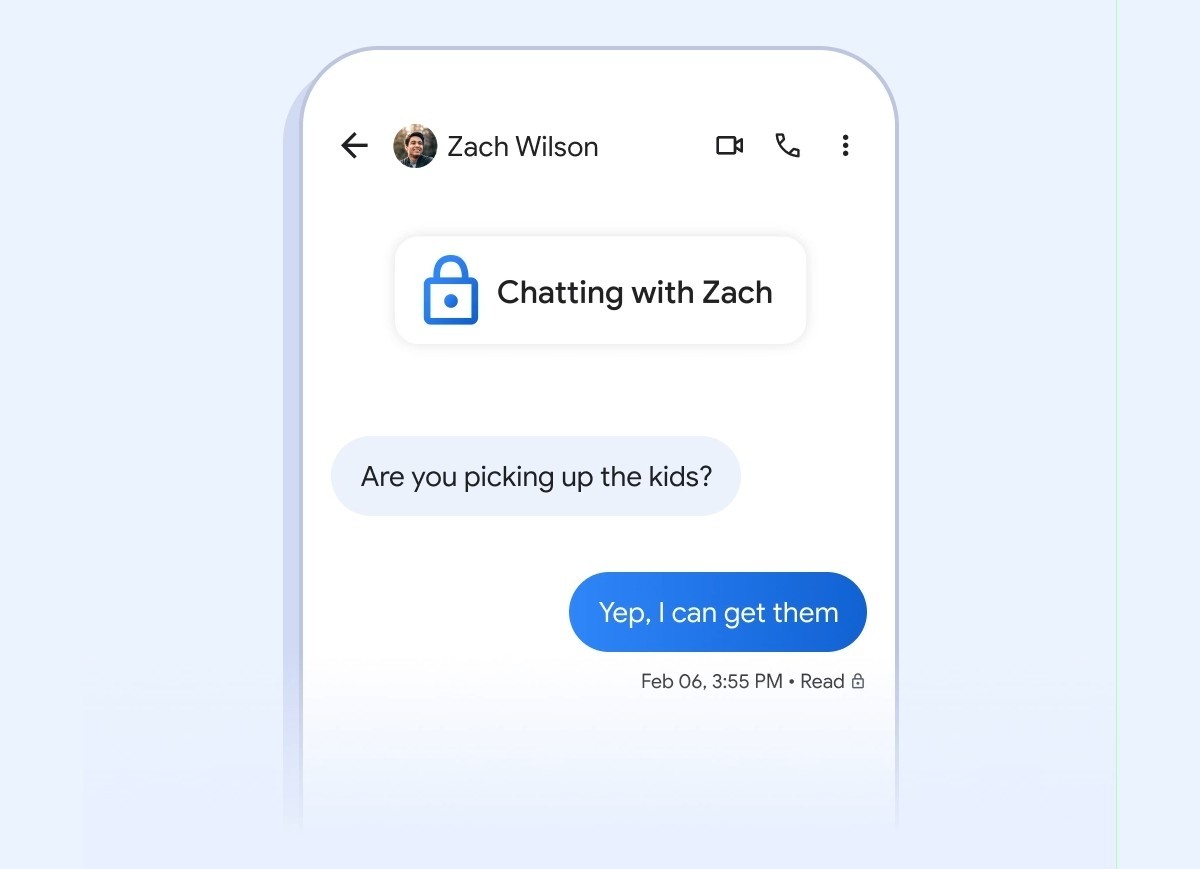
GSMA states that this functionality will enable users to initiate and join video calls within the same chat thread, providing a more unified, native, and interoperable video calling experience across devices and networks.
According to GSMA’s documentation, the MIVC feature not only supports initiating video calls directly within RCS chats but also allows session members to join ongoing group video calls later if they miss the initial call. It also synchronizes call records within the chat timeline, ensuring continuity and complete context of the conversation. Once operators, terminal manufacturers, and operating systems widely deploy this standard, RCS will, for the first time, establish a unified video calling capability at the native messaging app level, across brands and networks.
However, despite the standard being released, Apple and Google have not yet publicly commented on supporting the MIVC feature. This means that when users will be able to directly initiate and receive cross-platform video calls between iPhones and Android phones through their respective default messaging apps remains highly uncertain. Reports indicate that Apple and Google have not responded to requests for comment, so whether and when this feature will be implemented in mainstream apps like iMessage or Android Messages remains to be seen.
In addition to video calling capabilities, RCS Universal Profile 4.0 also includes upgrades in text expression and multimedia transmission. In terms of message editing, the new standard adds text formatting support, allowing users to use bold, italic, strikethrough, and other styles in messages to more flexibly emphasize key points or distinguish different content. In terms of media capabilities, version 4.0 further improves the sharing quality of audio, video, and images, providing a unified technical foundation for users to share high-quality multimedia content in chat scenarios.
Currently, several manufacturers, including Apple, are promoting the adoption of RCS to varying degrees. For example, Apple has previously begun testing end-to-end encrypted RCS message support on iPhones, which is seen as an important step towards a more modern messaging standard beyond traditional SMS. However, truly achieving interoperable video calls between iPhones and Android phones within native messaging apps still requires more cooperation and coordination between operating system platforms, operators, and device manufacturers in terms of standard implementation, product design, and privacy and security policies. Until then, users will still need to rely on independent apps like FaceTime, Meet, and Zoom to complete cross-platform video communication. Whether the new RCS standard can change this situation depends on the actual support and promotion speed of the major platform manufacturers.