U.S. House Rejects FISA Compromise, Votes to Extend Surveillance Law for Two Weeks
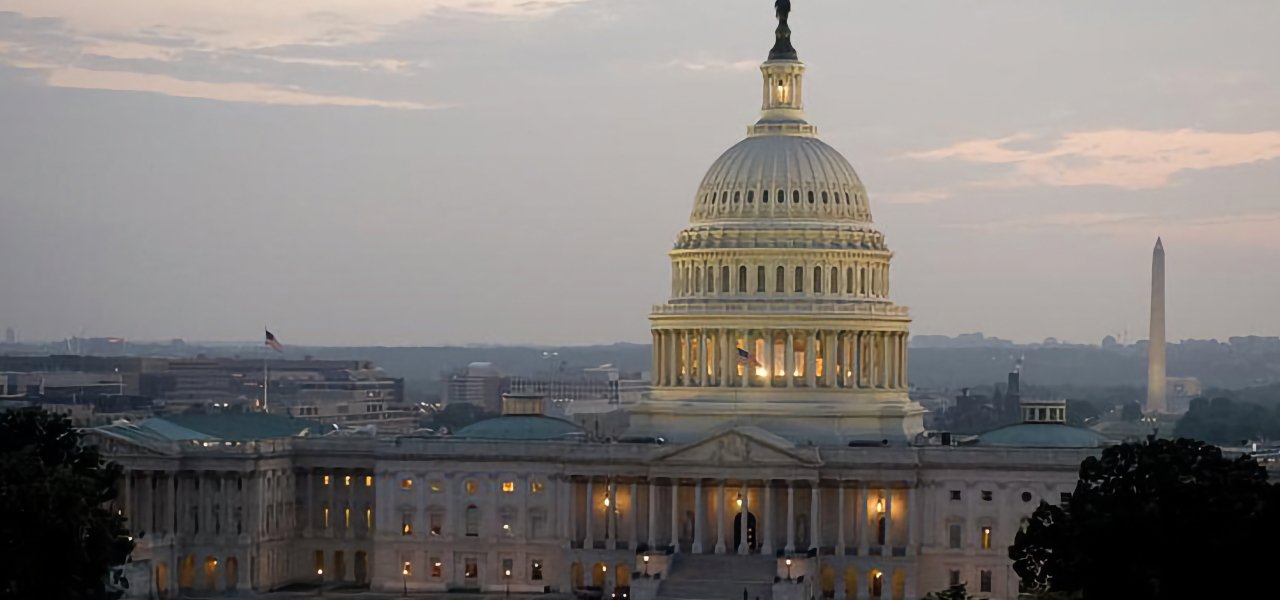
Early Friday morning, a U.S. House attempt to extend a powerful national security surveillance program for five years failed to pass. This was a humiliating setback for Republican leadership, who had hoped to force the bill through with an overnight vote. With no immediate path forward, the House voted to extend the law’s expiration for another two weeks, until April 30th.
The Foreign Intelligence Surveillance Act (FISA), Section 702, is widely considered one of the most critical surveillance powers available to the U.S. government. The provision allows the government to collect information on foreign nationals abroad who are using U.S. communication systems.
However, the program has also been criticized by privacy advocates, as well as Republican and Democratic lawmakers, for allowing the collection and searching of information on Americans who communicate with these foreign nationals without a warrant.
President Trump had urged Republican lawmakers to pass an 18-month extension of the law with no amendments. The surveillance program is set to expire on Monday, putting pressure on lawmakers to act quickly.
“I am asking all Republicans to stick together,” he posted on Truth Social on Wednesday. “Our great patriots need FISA 702, and it’s one of the reasons we’ve been so successful on the battlefield.”
But opposition to an “unamended” extension from some conservatives led to negotiations with the White House and House Speaker Mike Johnson, a Louisiana Republican. The revised proposal released Thursday evening would extend the law for five years, more than triple the length of the original bill. Key revisions included: adding a warrant requirement for collecting information on Americans, and criminal penalties for unauthorized searches of information on Americans.
Representative Clay Higgins, a Louisiana Republican who has long opposed reauthorizing the bill without amendments, said on X, “This is a viable bill that protects Americans in every respect and must be completed.”
But critics said the revisions did not go far enough, particularly regarding the warrant requirement. Some lawmakers have called for a warrant to be required when searching the content of data already collected on Americans. However, they said the warrant requirement in the bill only covers the data collection stage.
The vote on the revised text failed with 200 votes in favor and 220 against, with over a dozen Republicans joining most Democrats in voting no. A subsequent procedural vote to advance the bill to a final vote also failed, 197-228. The House then passed a two-week extension of the law by unanimous consent.
Democrats criticized Republicans for attempting to force the amendment through in the middle of the night, saying they had no time to read the 13-page proposal.
“This was a backroom deal,” said Jim McGovern, the top Democrat on the Rules Committee, a Massachusetts Democrat. “This is too important to be done this way, just too important. No hearings, no markup hearings, no real process, opaque, no time to read, no time to review.”
Representative Warren Davidson, an Ohio Republican, called the failed strategy a “Schrödinger’s amendment.” He said on X that some lawmakers “think this is a massive reform that would render FISA inoperable. Others think it’s meaningless. Both can’t be true.”
The Foreign Intelligence Surveillance Act is a post-Watergate law that was expanded in scope after the September 11, 2001, terrorist attacks. Section 702, which is currently up for reauthorization, allows the National Security Agency to collect information on foreign nationals abroad who are using U.S. communication systems, such as email or text messaging. This information can be shared with other agencies, such as the Federal Bureau of Investigation.
FISA is credited with being instrumental in gathering intelligence to thwart terrorist plots, combat drug trafficking, and other operations. But previously disclosed information shows the tool has also been misused to monitor protesters at “George Floyd” events, participants in the January 6, 2021, Capitol riot, and 19,000 donors to a political campaign.
Even as the issue remains stalled in Congress, the surveillance program will not immediately stop. According to non-classified talking points sent to lawmakers by the government, an intelligence court approved a one-year extension of the FISA program in March.