NVIDIA May Relaunch RTX 3060 12GB This June, RTX 5050 9GB Project Temporarily Paused
NVIDIA's two-generation-old GeForce RTX 3060 12GB "Ampere" graphics card is expected to return to the market in June 2024, while the previously rumored RTX 5050 9GB version has been reportedly "put on hold."
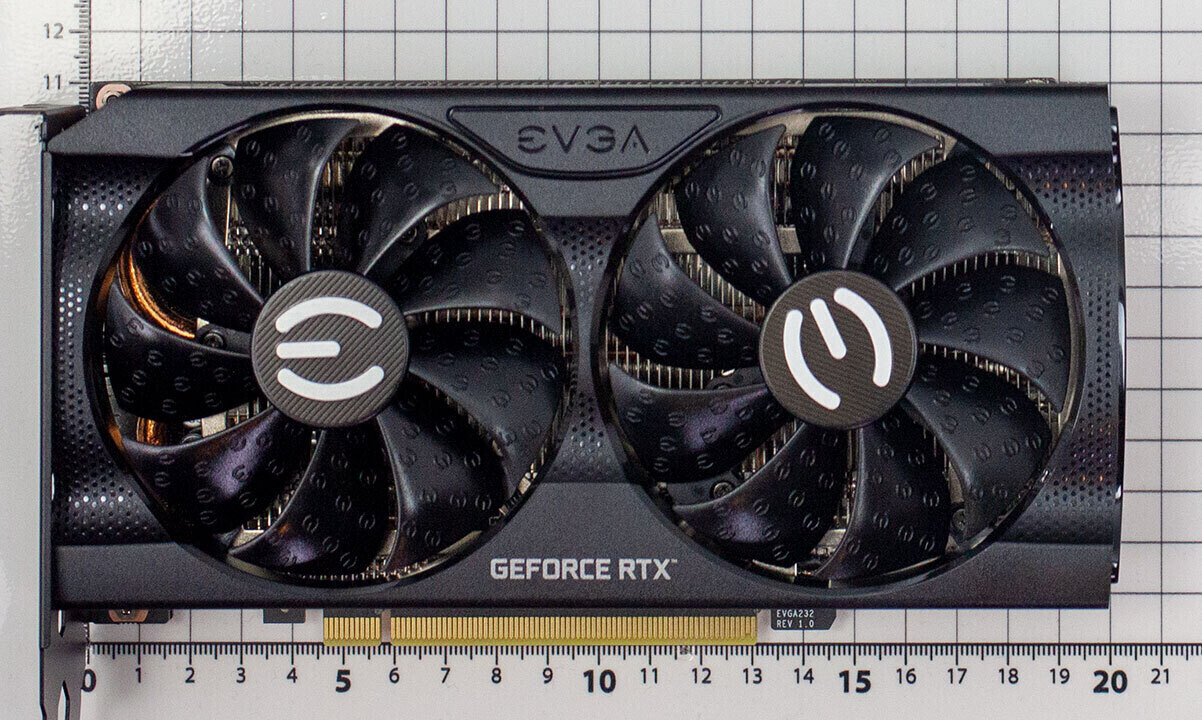
According to reports, NVIDIA currently only plans to resume production and sales of a single model, the RTX 3060 12GB with a 192-bit memory bus width, in this price range.
To resume production of the RTX 3060 12GB, NVIDIA will once again enable the Samsung 8nm DUV process, which was previously used for the production of the entire generation of Ampere architecture GeForce products. Its "comeback" after several years is quite unexpected. Currently, NVIDIA's new generation of consumer "Ada Lovelace" and latest "Blackwell" GPUs have fully transitioned to TSMC for manufacturing and have become one of TSMC's largest customers on the 5nm family node. Therefore, returning to Samsung 8nm in this context is seen by the industry as a noteworthy strategic choice.
In terms of specifications, the RTX 3060 is equipped with 3,584 CUDA cores and 12GB of GDDR6 memory. The next-generation RTX 5050, on the other hand, uses a newer generation of CUDA cores on a more advanced process node, rumored to be 2,560 CUDA units based on the GB207 core, and equipped with 9GB of GDDR7 memory. Since the "revived" RTX 3060 will still use GDDR6, the industry speculates that NVIDIA is reserving the more expensive and scarce GDDR7 particles for the rest of its product lines at this stage, leaving the relatively easy-to-procure GDDR6 for this older architecture product to fill the market gap between entry-level and mainstream.
Industry observers point out that reactivating a GPU architecture from two generations ago in 2024 is unusual in itself, and even more puzzling is NVIDIA's choice of the RTX 3060 instead of the more "recent" RTX 4060. Some analysts believe this may be related to foundry node planning: the RTX 4060's NVIDIA 4N (belonging to the 5nm level) is on the same process platform as the current RTX 5060 at TSMC, while the RTX 3060 and the entire Ampere family correspond to the Samsung 8N (8nm DUV) node, allowing it to reserve more production space for "Blackwell" and enterprise-level GPUs without further squeezing TSMC's 5nm capacity.
From a design and manufacturing perspective, once the GPU IP design is completed and solidified on a particular process node, migrating it to another process often entails significant upfront adaptation costs and cycle risks. Therefore, reactivating the RTX 3060 and continuing to cooperate with Samsung is, for NVIDIA, a way to avoid investing additional R&D costs in the old architecture, and to obtain a product with 12GB of memory and still competitive performance at mainstream resolutions in the current environment of tight capacity and high costs, using the relatively inexpensive 8nm capacity as a temporary substitute for the new generation RTX 5050 series.