Multiple Brands of Waterproof Jackets Involved in "Forever Chemicals" PFAS
Recently, the Attorney General of Texas, Ken Paxton, announced that he has issued an investigation order to Lululemon US, a Canadian sportswear brand, to verify whether its products contain "forever chemicals" PFAS and whether it has misled consumers regarding product safety.
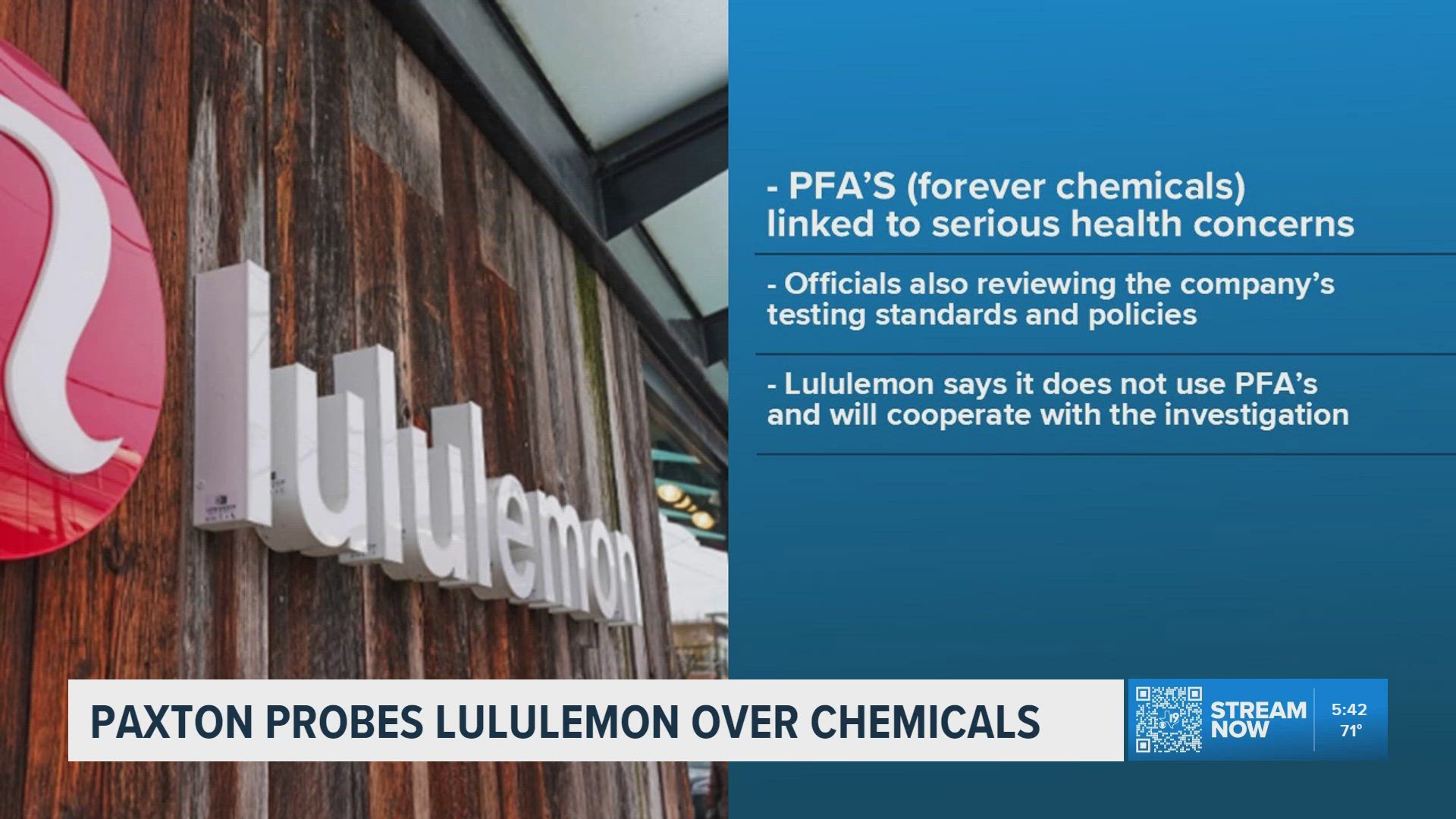
This investigation once again brings PFAS into the spotlight. These chemicals, which can cause infertility and cancer, are hidden in many waterproof jackets and everyday products.
PFAS stands for per- and polyfluoroalkyl substances. Due to the exceptionally stable carbon-fluorine bond, they are extremely difficult to degrade in the environment and can accumulate in the human body for a long time, hence the name "forever chemicals."
Thanks to their excellent waterproof and oil-resistant properties, they are widely used in products such as waterproof jackets, non-stick pans, and food packaging. However, their fatal hazards cannot be ignored – long-term exposure can disrupt the endocrine system, reduce fertility, and even induce cancer. When PFAS concentrations in women's blood are too high, the probability of pregnancy can decrease by up to 40%.
In addition to Lululemon, several well-known outdoor brands are also caught in the PFAS storm. GORE-TEX, known as the "king of outdoor fabrics," relies on PFAS for its waterproof technology, and brands using this technology include Arc'teryx, The North Face, Mammut, and Jack Wolfskin, among many other well-known outdoor brands.
Previous reports have stated that many waterproof jackets contain PFAS, and long-term accumulation may cause health problems. Customer service representatives from Arc'teryx and The North Face responded that their products meet current national standards.
Experts say there is no need to "fear fluorine," as PFAS is not an acutely toxic substance, and short-term, small-dose exposure will not cause serious harm. The real concern is the long-term environmental pollution caused by PFAS that is not properly handled during production.
If consumers are concerned about PFAS, they can choose fluorine-free products labeled "PFAS-Free," while reducing the use of PFAS-containing textiles, coated cookware, etc., and reducing exposure risks by installing water purifiers and choosing biodegradable packaging.