Microsoft is Reconstructing the Windows 11 Start Menu, Introducing Stronger Customization and Performance Optimization
Sources reveal that Microsoft is developing a new WinUI3 Start Menu architecture for Windows 11, aiming to give users greater control over the menu's appearance and behavior while significantly improving responsiveness and overall performance. These changes are part of a larger, previously confirmed Windows 11 improvement plan focused on "pain point fixes" and user experience optimization.
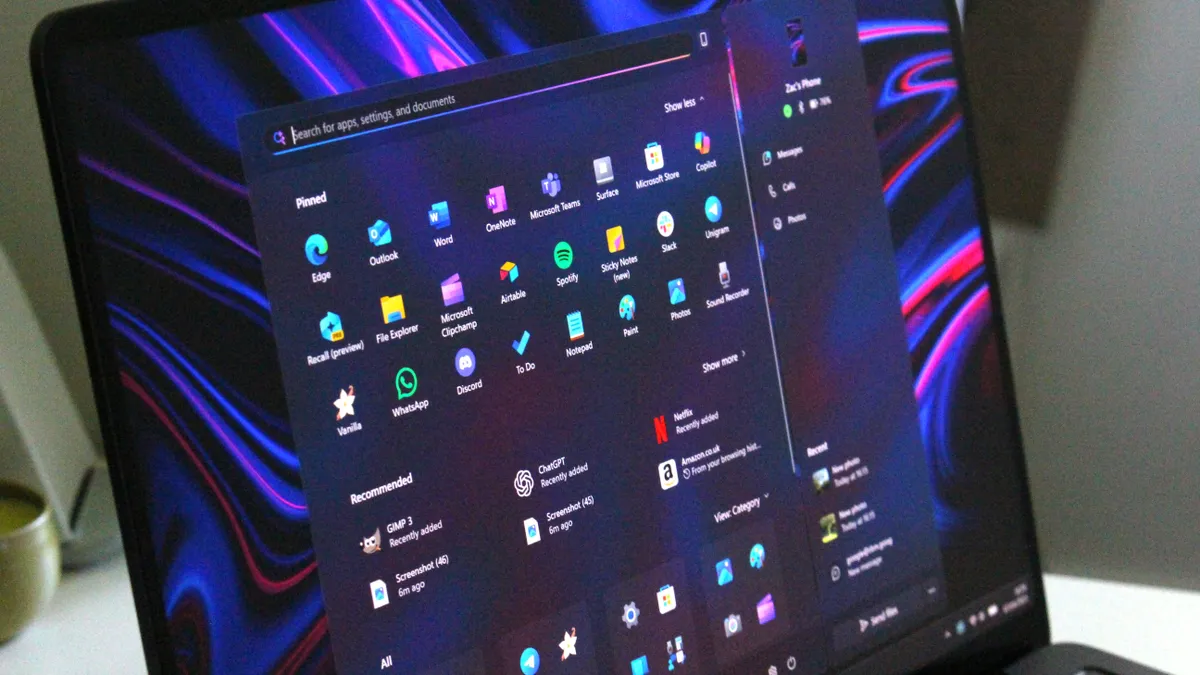
Currently, the Windows 11 Start Menu only offers "small" and "large" layouts, but the choice is controlled by the system, which automatically determines the presentation based on screen size, and users cannot manually switch. Many users have complained about this, finding the interface changes abrupt and lacking control. In the upcoming new version, Microsoft plans to return layout selection to users, allowing them to freely switch between small or large Start Menus, rather than relying solely on automatic system judgment.
In addition to layout options, the new Start Menu will also incorporate more aggressive region-level hide toggles, allowing users to turn off parts they don't frequently use with a single click. For example, if you dislike the "Recommended" feed or rarely pin apps to the Start screen, you can directly disable these sections in system settings. Microsoft even plans to allow users to turn off the "All Apps" list to reinforce a minimalist Start Menu form, meeting the needs of a more focused and clean desktop experience.
In terms of performance, the new Start Menu aims to "remain smooth under pressure." In the current version, the Start Menu often takes several seconds to appear when the processor load is high, seriously affecting the operating rhythm. Sources say the new architecture will optimize this issue, ensuring the Start Menu can open quickly and remain responsive even in high system load scenarios.
This performance optimization will also extend to the search experience within the Start Menu. Currently, when users click Start and immediately enter search terms, there is often a "dropped character" issue, especially when the system is busy. Microsoft plans to address this pain point in the new version, allowing users to summon the Start Menu, enter terms immediately, and receive stable search responses even under high load.
This overhaul of the Start Menu is part of a larger project within Microsoft internally codenamed "Windows K2," which focuses on resolving various long-standing pain points in the overall Windows 11 experience. Its overall goal is to make Windows 11 a faster, smoother, more stable, and less intrusive operating platform, allowing the interface and system behavior to be as accommodating as possible to user habits and workflows. Microsoft is also continuously collecting feedback through media and the community, hoping to make these Start Menu adjustments truly respond to users' dual expectations of customization and performance in future versions.