Domestic Storage Giants Enter Pre-Payment Production Mode – Even Paying Doesn't Guarantee Supply
Since the fourth quarter of last year, Changxin Storage and Yangtze Memory have fully entered a seller's market model of "pre-payment production," and the rush to secure goods continues. Specifically, downstream customers must first pay the full amount of the goods to the distributors, and after the funds are received, the distributors queue up to enter the production scheduling system. They will be notified to pick up the chips only when production capacity is available and the chips are manufactured.
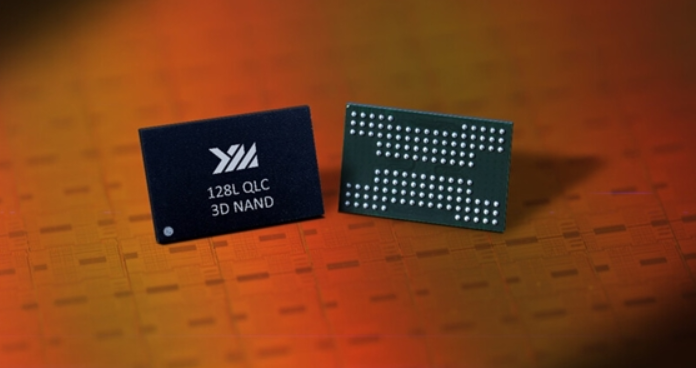
During this global shortage, the two domestic storage giants are experiencing new development. Yangtze Memory’s revenue exceeded 20 billion yuan in the first quarter of this year, doubling year-on-year, and its global market share of NAND flash memory has exceeded 10%, approaching the global third position.
To cope with the surge in orders, Yangtze Memory is expanding production. In addition to the Wuhan Phase III factory which will be put into operation this year, it also plans to build two more wafer fabs. After all are put into operation, the total production capacity will more than double.
Changxin Storage’s monthly production capacity target for 2026 has been increased from 160,000 to 280,000 wafers to 350,000 to 400,000 wafers, and its global share is expected to rise to 15% to 20%.
Global storage giants have already shifted all their production capacity towards AI. TrendForce research shows that approximately 70% of DRAM capacity has been locked by data centers.
The three major international storage manufacturers (Samsung, SK Hynix, and Micron) are diverting most of their advanced production capacity to high-profit products such as HBM and server DDR5, systematically compressing the production capacity of mature processes such as consumer-grade DDR4 and mobile NAND.
Goldman Sachs has also significantly raised its expectations for the DRAM supply-demand gap, believing that the global DRAM gap will reach 4.9% in 2026, far exceeding the previous forecast of 3.3%, and the gap will remain at 2.5% in 2027.