DRAM Production Slow to Increase, Memory Products Face Continued Supply Shortage
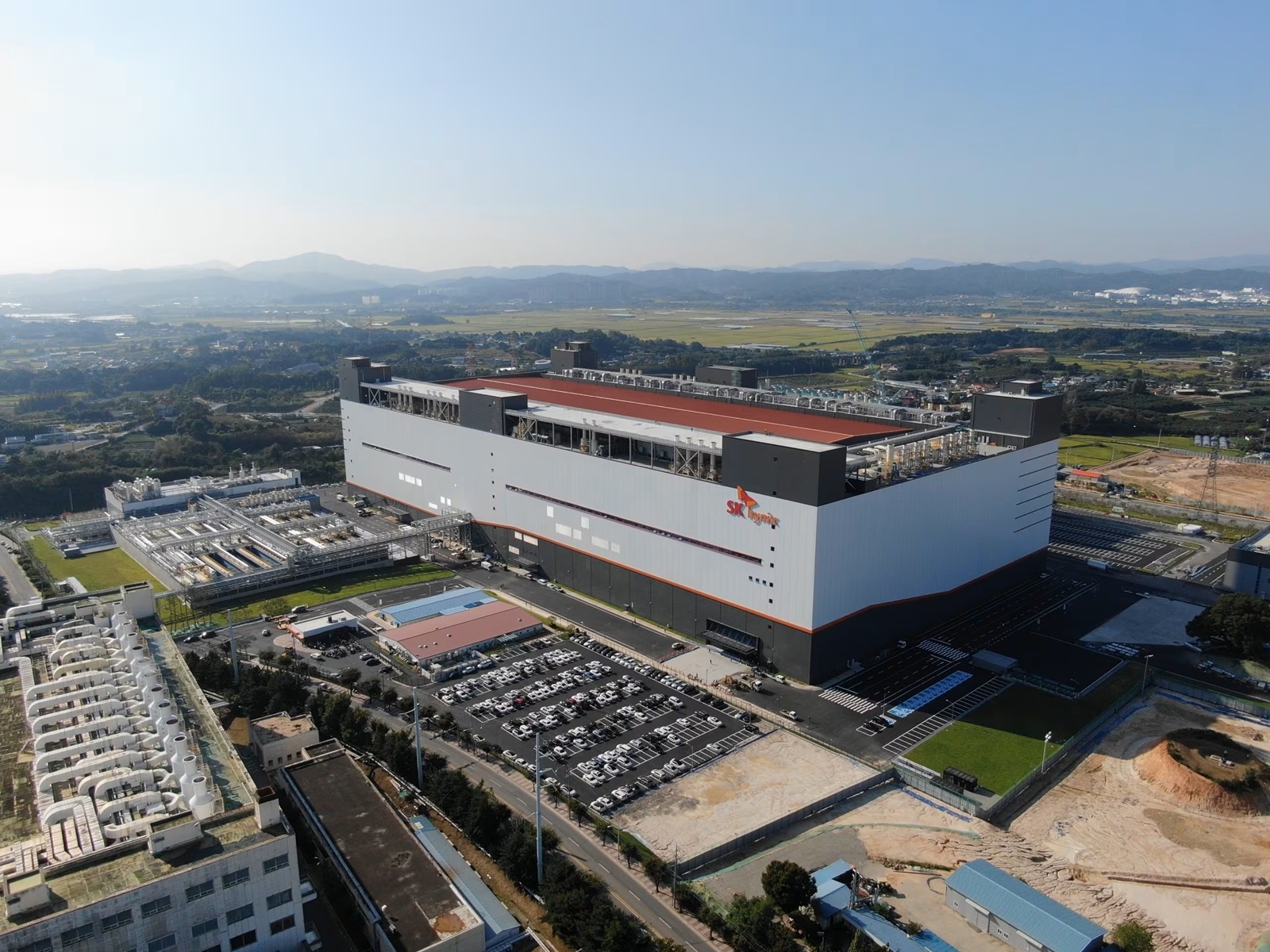
SK Hynix is the only memory manufacturer to have achieved increased production this year, with its Cheongju plant beginning mass production of HBM (High Bandwidth Memory) in February. Other manufacturers are either waiting and watching, or are still building facilities or debugging equipment, with capacity not expected to come online until the end of 2027 or even 2028.
Samsung, SK Hynix, and Micron together account for approximately 90% of the global DRAM market, and they are the only semiconductor manufacturers capable of producing HBM chips.
These companies are prioritizing the development of HBM, squeezing DRAM capacity, leading to a worsening memory shortage since the fourth quarter of last year. Memory prices have risen by 90% compared to the previous quarter since the beginning of the year. It is expected that by mid-year, the proportion of memory procurement costs in mobile phone manufacturing costs will increase from 20% to 40%, causing the smartphone market to shrink by 13%. The memory shortage will also impact the automotive industry.
Research institutions estimate that to resolve the memory supply shortage, the semiconductor industry needs to increase production by 12% by 2027, while currently planned new capacity is only 7.5% – the production increase plans include:
SK Hynix’s Yongin complex. The company is accelerating construction, with the first cleanroom expected to be operational in February 2027, three months ahead of schedule. Hynix is the most proactive manufacturer in increasing production and deserves praise.
(This is a rendering, the actual situation is as shown below)
Micron’s new factories in Idaho and Singapore will not be operational until the second half of next year, offering no immediate relief:
Samsung Electronics’ Pyeongtaek Fourth Factory is expected to be completed within the year, but mass production will not begin until 2027, and this factory also produces logic chips, impacting DRAM capacity; Pyeongtaek Fifth Factory is still under construction and will primarily produce HBM, with mass production expected no earlier than 2028.
As new capacity will not begin to materialize until the second half of next year, the rate of DRAM capacity increase will only meet 60% of demand, and the supply crisis will continue through 2027. Hynix even believes the shortage will persist until 2030. This kind of speculative behavior will remain active for a long time…
The bursting of the IT bubble after the pandemic caused losses for many semiconductor manufacturers, with Kioxia recording its worst-ever loss, and Micron and Hynix also reporting net losses. These manufacturers are still wary. Kioxia, which was most severely impacted by the bubble burst, is hesitant to build a third production facility, stating, “We will make rational investments based on market growth,” according to its new president, Hiroki Otani.