Samsung to Gradually Discontinue Production of LPDDR4 and LPDDR4X Memory
According to Korean media reports, Samsung will gradually stop producing LPDDR4 and LPDDR4X memory and will no longer accept new orders. LPDDR4 was introduced in 2014, and the enhanced version, LPDDR4X, in 2017. Both have had a long lifespan and are now reaching the end of their lifecycle.
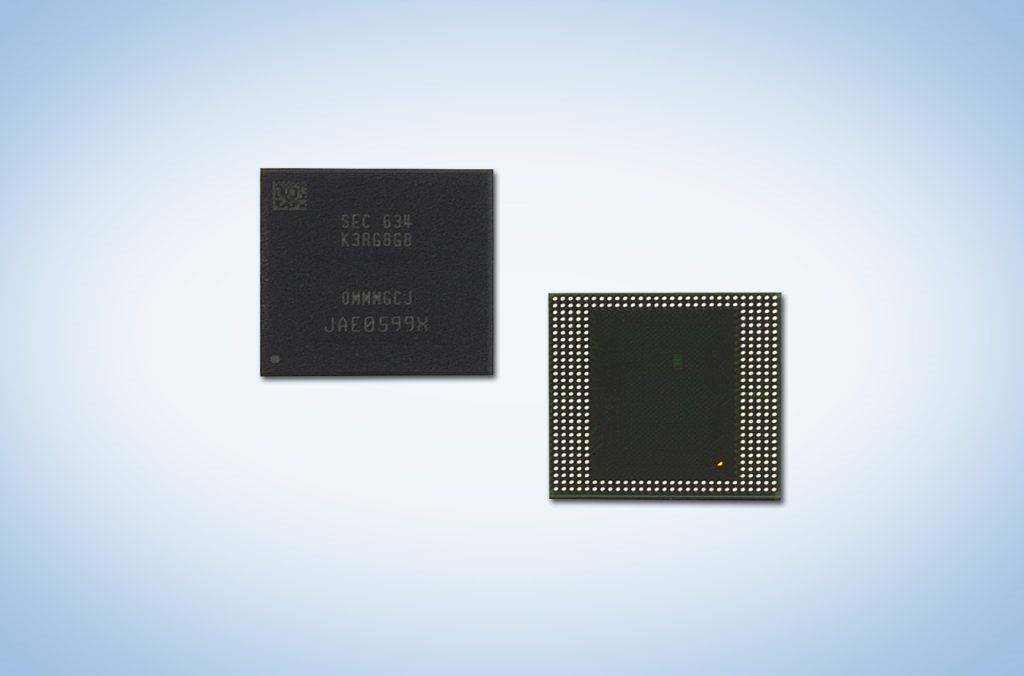
The report states that Samsung stopped accepting orders for LPDDR4/4X memory as of April 17th and will not accept additional purchase orders, while existing orders will not be affected.
There are also claims that Samsung will stop accepting orders in June and cease supply in October.
Samsung is expected to completely halt the production of LPDDR4/4X by the end of this year, shifting all capacity to LPDDR5/5X and even the new LPDDR6.
The industry generally believes that the lifecycle of LPDDR4/4X has already exceeded expectations due to continued strong demand. However, Samsung's sudden and rapid production halt is speculated to be due to two main reasons.
First, as a mature product, the profit margin for LPDDR4/4X is already very low. With the current booming storage industry, manufacturers will definitely focus their efforts on the more profitable LPDDR5/5X.
Second, the rapid rise of Chinese memory manufacturers, with their lower prices, has severely impacted the profits of Samsung and others, forcing them to accelerate the shift to higher-profit LPDDR5/5X.
However, Changxin's LPDDR5/5X is already highly competitive, and domestically produced HBM3 and HBM3E are also on the horizon, leaving Samsung with increasingly limited space.
Samsung's LPDDR4X price has surged from $6 per piece in March 2025 to $28.5 in January 2026.
This rapid production halt will undoubtedly have a significant impact on various industries, including smartphones, laptops, and automobiles, leading to wider price increases.
In fact, even Samsung's own mobile division has been forced to switch to supporting and procuring LPDDR5/5X memory.
In addition, Samsung also plans to discontinue 2D planar flash memory, converting the related production lines for dedicated 1c DRAM memory, which is currently Samsung's biggest capacity bottleneck.