Packaging Bags Disrupted: South Korean Instant Noodles Face "Nudity"
Ongoing geopolitical conflicts in the Middle East are causing a packaging material supply crisis for South Korea's food and retail industries. Multiple Korean food companies are warning that the South Korean market may face production halts and significant price increases for products like instant noodles after existing packaging inventory is depleted in May and June.
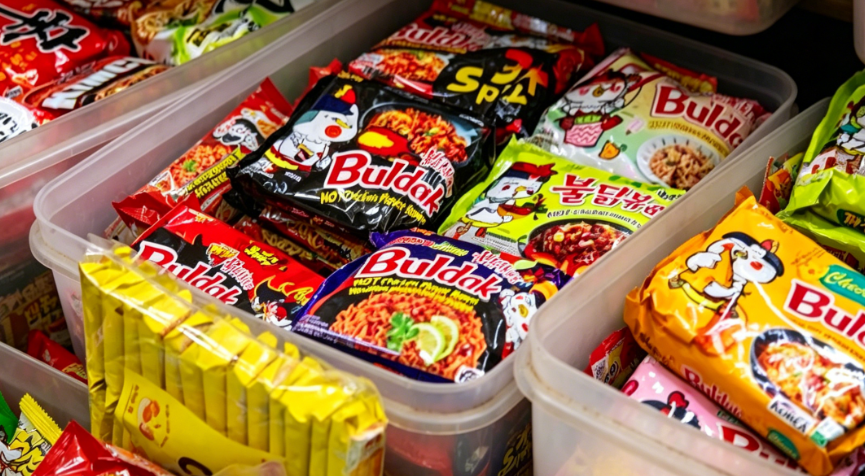
The core trigger for this crisis is a supply shortage of naphtha, a key raw material for food packaging. After Iran blocked the Strait of Hormuz, global oil transportation routes were obstructed, directly impacting South Korea's petrochemical industry.
Naphtha is a basic material refined from crude oil and a core raw material for producing plastic resins such as polyethylene, polypropylene, and PET. The production of instant noodle packaging bags, snack packaging, and plastic beverage bottles all rely on this basic raw material. Korean food companies do not typically stockpile large amounts of packaging materials, which further amplifies the risk of supply chain disruption.
Before the outbreak of the Iranian geopolitical conflict, the international price of naphtha was $633 per ton. After the conflict expanded, the price soared to $1141 per ton, with plastic resin prices rising simultaneously by 15% to 25% during the same period.
Furthermore, it usually takes more than a month for Middle Eastern crude oil to arrive in South Korea, followed by multiple stages including refining, processing into naphtha, and manufacturing into packaging film. Korean industry insiders admit that even if crude oil is shipped immediately now, it will not be able to be put into packaging production lines until after June.
Currently, the packaging inventory of major Korean food companies is running out. Nongshim, the producer of Shin Ramyun, has secured two to three months of inventory through its affiliated company, and production has not been affected yet. Dongsuh Foods and Lotte Wellfood have only one to two months of packaging inventory remaining. Samyang Foods, the company behind Buldak Ramen, has already issued a product price increase warning. Orion states that unstable raw material supplies will directly hinder future production.
The food industry says that paper packaging cannot meet the preservation needs of food for moisture-proofing and light-blocking, and production line modifications would take at least a year and be more costly, failing to resolve the immediate crisis.
Currently, the Korea Food Industry Association and 13 other industry groups have submitted a joint petition to the government. The Ministry of Food and Drug Safety has held an industry symposium, and the Ministry of Trade, Industry and Energy will launch emergency naphtha supply and demand adjustment measures within this week.