Scientists Discover Component in Red Dragon Fruit Peel Can Naturally Enhance Nutritional Value of Bread Wheat
A research team from the National University of Singapore recently published a study stating that they have successfully converted previously discarded red dragon fruit peel into a functional ingredient for bread production. This significantly improves the bread's antioxidant levels and slows down the rate of starch digestion, while also providing a new approach for the food industry to utilize agricultural by-products.
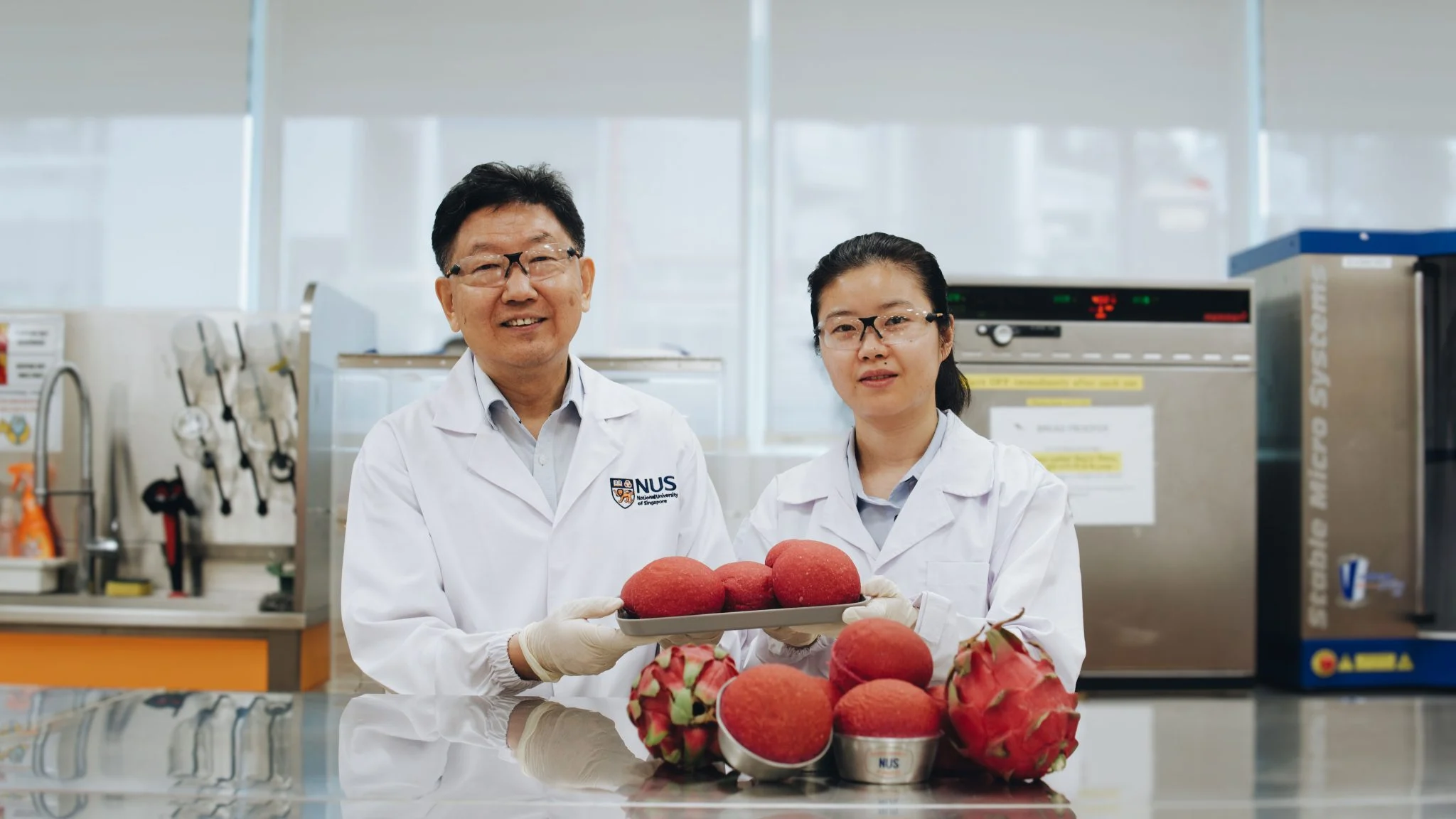
The study was led by Professor Zhou Weibiao's team from the Department of Food Science and Technology at the National University of Singapore. Researchers extracted a purified extract rich in betalains from the peel of red dragon fruit and added it to wheat bread dough in proportion. Experimental results showed that when added at 0.75% of the dough's weight, the bread's texture and taste were improved, while also demonstrating significant nutritional advantages.
The research team introduced that this work builds on previous research on betalain-fortified bread. However, the betalains chosen this time have better stability within the pH range of common foods and are more easily soluble in water, allowing for lower doses and more stable interactions with the gluten network. In vitro studies also suggest that the bioavailability of betalains may be higher than that of common anthocyanins, meaning they are more easily absorbed by the human body and may bring greater potential health benefits.
Laboratory tests further showed that betalains interact with gluten proteins in the dough: at moderate doses, they promote dough fermentation and expansion, but if used in excess, they will weaken elasticity and affect baking quality. After comprehensively considering baking performance and nutritional enhancement, researchers determined an addition level of 0.75% as the "optimal balance point" that balances taste and health effects.
Compared with ordinary wheat bread, the bread fortified with dragon fruit peel extract showed significantly improved antioxidant levels and a slower rate of starch digestion, corresponding to a lower estimated glycemic index. Zhou Weibiao pointed out that against the backdrop of rising global diabetes prevalence, optimizing the formulation of frequently consumed staple foods is expected to reduce the overall dietary glycemic load and increase antioxidant intake without changing people's dietary habits.
In addition to nutritional improvement, this work also addresses the issue of food waste. Researchers chose to use purified peel extract instead of whole peel, on the one hand to control the content of effective ingredients and obtain more reproducible experimental results, and on the other hand to demonstrate a realistic path for upgrading agricultural processing by-products into high-value-added food ingredients.
The team stated that the next step will be to explore the application scenarios of similar natural extracts in other daily foods, in order to improve food nutritional quality while promoting more efficient resource utilization and reducing waste in the supply chain. The relevant results have been published in the journal *Food Chemistry*, which details the comprehensive impact of these extracts on dough performance, baking quality, and nutritional properties.