Blue Origin’s New Glenn Rocket Achieves First Successful Reuse
Blue Origin, the space company founded by Amazon’s Jeff Bezos, announced the successful reuse of the first-stage booster of its New Glenn heavy-lift launch vehicle. This marks a key milestone for the next-generation, high-thrust rocket system and is seen as the company accelerating its pursuit and challenge to SpaceX’s dominance in the global orbital launch market.
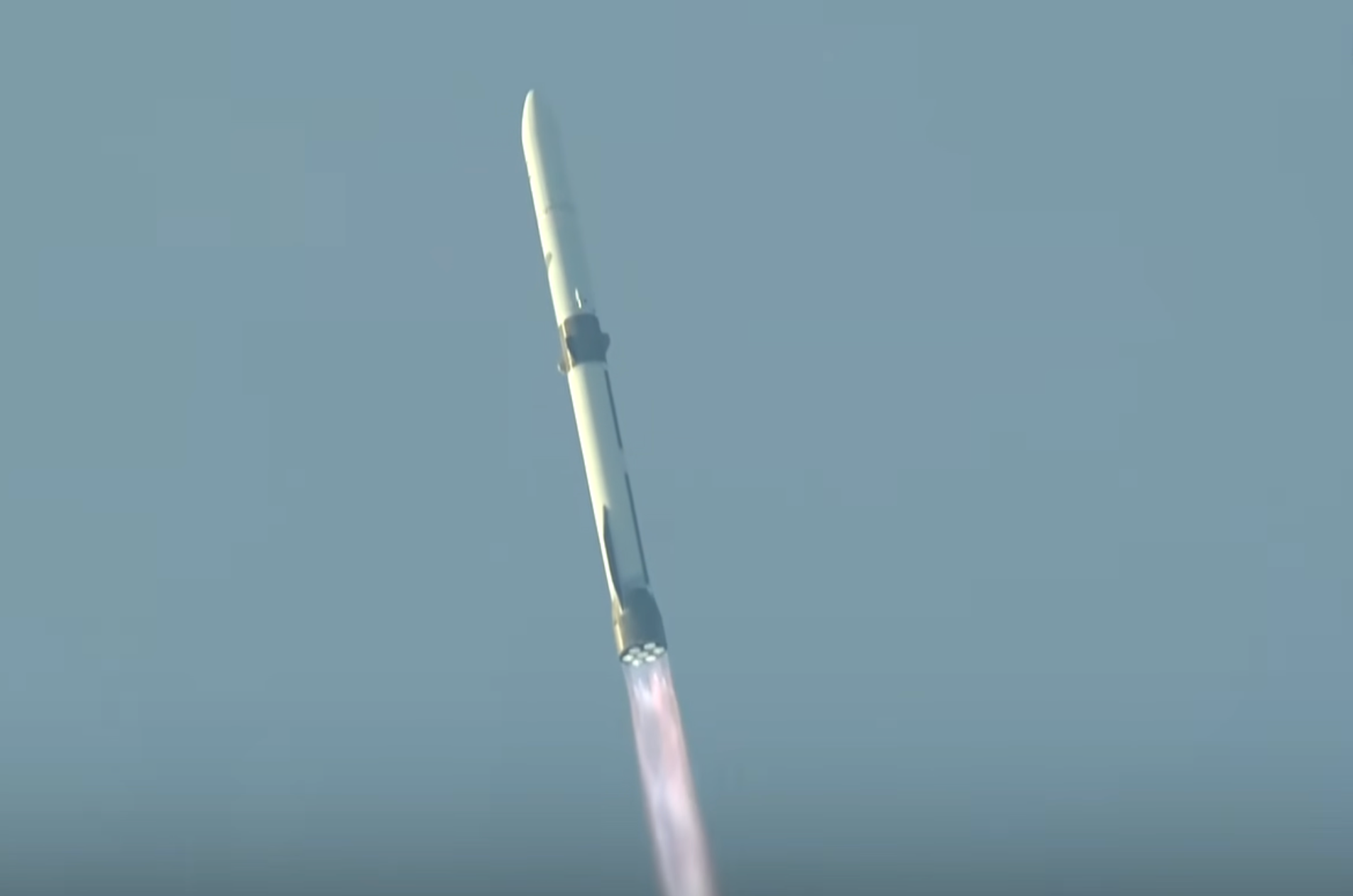
The mission was executed on Sunday and was New Glenn’s third launch, just over a year after its first flight. The rocket system itself has been in development for more than a decade. Blue Origin had previously used New Glenn for one commercial payload launch mission, but this launch was the first time a previously used booster was recovered after completing its mission, verifying its reusability.
For New Glenn, achieving reusability is considered one of the key factors in whether its business model can succeed. SpaceX’s dominance in the global orbital launch market is largely due to the high-frequency reuse of the Falcon 9’s first-stage boosters, significantly amortizing the cost of each launch. Blue Origin’s replication of a similar approach on New Glenn is seen by outsiders as a substantial step in the competitive landscape of heavy-lift rocket commercialization.
Blue Origin’s goals extend beyond launching satellites for commercial customers. The company hopes to use New Glenn to undertake future NASA lunar missions and provide orbital capabilities for its own and Amazon’s planned space internet satellite constellation, becoming an important part of its broader space infrastructure layout. Currently, Blue Origin is making final preparations for its first robotic lunar lander, which it plans to attempt to launch later this year.
The booster that completed the reuse this time was the same one used during New Glenn’s second mission last November. During that mission, the booster helped two NASA robotic probes head to Mars orbit and then successfully landed on an unmanned recovery ship at sea. In the latest mission this past Sunday, the booster completed orbital work again and was recovered smoothly on an unmanned ship at sea approximately ten minutes after launch, achieving “second flight, second recovery.”
The main task of this launch was to deliver a communications satellite for customer AST SpaceMobile into orbit. At the end of the launch, New Glenn’s upper stage was still performing orbital maneuvers to deliver the satellite to its intended orbit, and further updates on mission progress are expected to be available later.