Memory Shortage Forces Apple to Delay New Mac Studio and Touchscreen MacBook Pro Launch
Due to the continued global shortage of memory chips, Apple plans to postpone the launch of the new M5-powered Mac Studio from its original summer 2026 release to October, and the new MacBook Pro with an OLED touchscreen will be delayed from late 2026 to 2027. Reports indicate that the delay is not due to product readiness, but rather Apple's concern about being unable to meet market demand if launched on schedule.
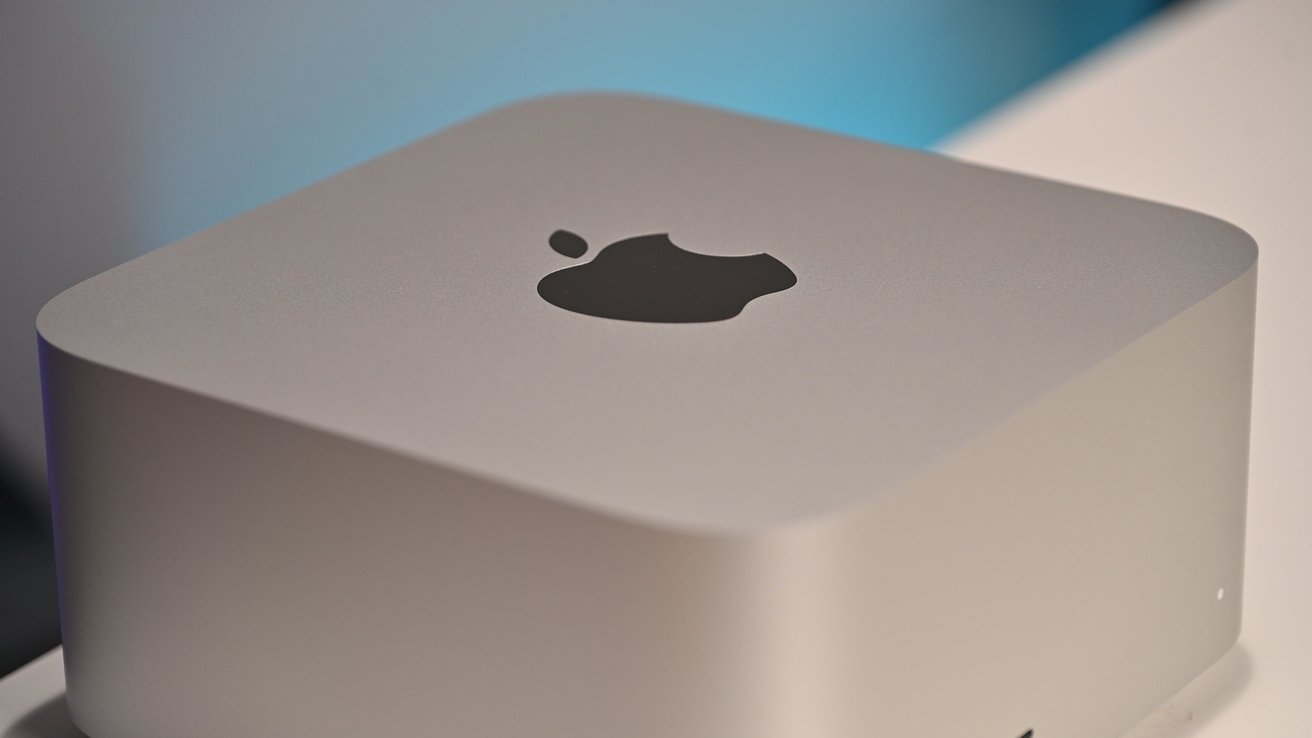
Over the past period, Apple has performed better than most of its peers in the face of a global shortage of RAM and SSDs, but has still been forced to raise prices on some external storage products and discontinue sales of certain high-end Mac configurations. Recent news indicates that, as the memory shortage further intensifies, the launch schedules of several key new products, including the Mac Studio and the future touchscreen MacBook Pro, have been forced to adjust.
Previously, it was reported that the new Mac Studio powered by the M5 chip was originally expected to launch in the summer of 2026, but the timeframe has now been pushed back to around October. The new MacBook Pro, equipped with an OLED screen and touch operation, was previously widely expected to be released around the end of 2026, but is now more likely to be delayed until 2027. The report emphasizes that the core reason for the delay is the memory supply issue, not delays in product design or research and development.
To mitigate supply risks, Apple is believed to be “stockpiling” – pre-locking and accumulating the memory and storage chips needed for future models. It is reported that Apple has reached costly procurement agreements with suppliers, such as reportedly paying Samsung nearly twice the usual price for DRAM, to ensure sufficient quotas in a tight market environment.
The current shortage of memory and storage has impacted the entire technology industry, rooted in the surge in demand for AI servers driven by the generative AI wave. These servers have extremely high demands for RAM and SSDs, and data centers around the world are expanding at a rapid pace, further increasing the consumption of related components. Along with this, processor supply has also been affected, and Apple CEO Tim Cook stated in January of this year that processor-related supply issues are one of the company's main concerns.
Industry analysts point out that Apple's decision to postpone the launch of new products such as the Mac Studio is largely due to its desire to avoid a situation where new machines are out of stock for a long time in the context of an extremely tight supply chain. However, this does not necessarily mean that Apple judges that the memory and storage market will ease significantly in the short term. With AI-related infrastructure construction still at its peak, the uncertainty of supply for key components such as processors, memory, and SSDs will continue to affect the pace and configuration strategy of subsequent Mac product lines.