Oil Price Increase Leads to a 30% Surge in Beverage Bottle Costs, Pepsi to Raise Prices First
Affected by geopolitical situations in the Middle East, international crude oil prices have fluctuated significantly, transmitting along the industrial chain to the beverage industry, leading to a significant increase in the cost of bottled beverage containers and putting upward pressure on the prices of daily drinks. Since 2026, the price of domestic water-grade polyester bottle flakes has increased by more than 40%. As it accounts for about 80% of the cost of beverage bottles, it has directly driven up the overall production cost of beverage bottles by nearly 30%. International beverage giant Pepsi has already released a price increase signal.
During an investor communication meeting, PepsiCo explicitly warned that fluctuations in oil prices continue to push up costs across the entire chain, including production and logistics. The company will respond by optimizing the supply chain, improving operational efficiency, and adjusting the pricing structure. Industry insiders generally believe that a price increase is highly likely.
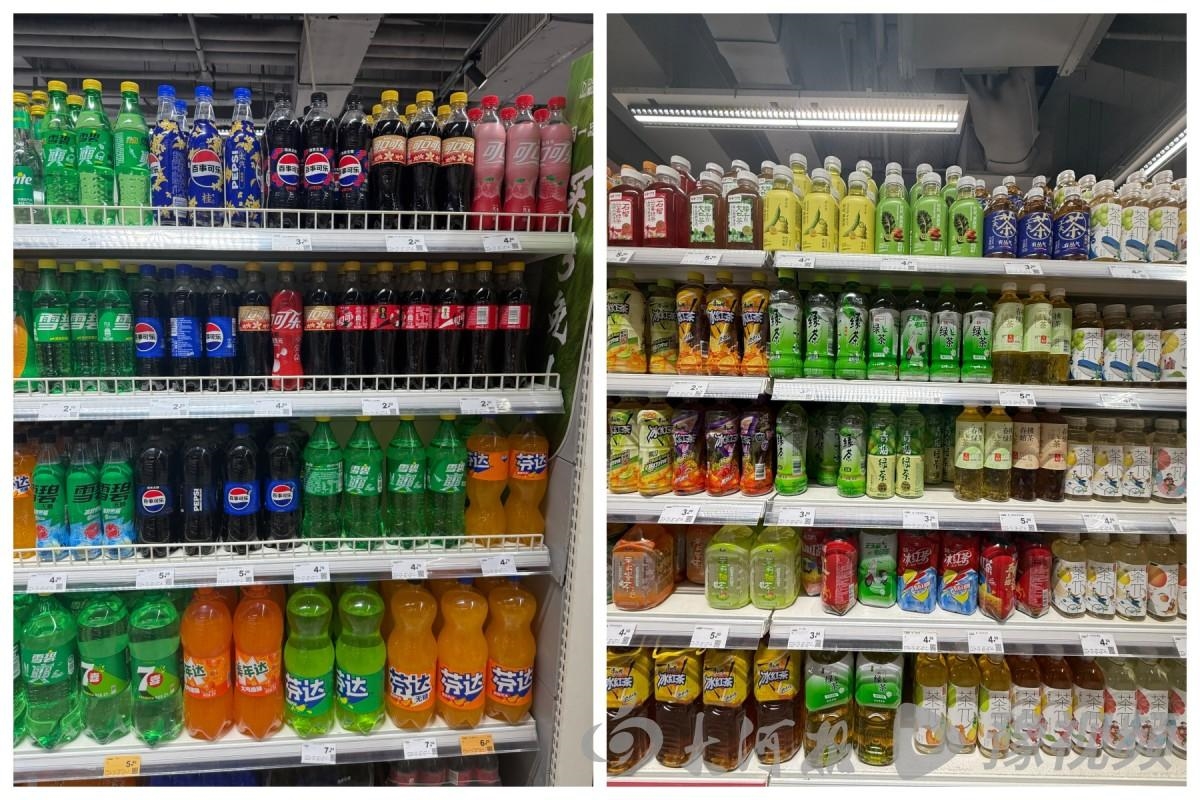
Currently, in domestic supermarkets, convenience stores and other terminal markets, the prices of mainstream categories such as bottled water, carbonated drinks, and tea beverages remain stable, and promotional activities are proceeding normally. No brands have yet issued official price increase notices.
This cost increase stems from the complete transmission chain from oil to packaging: PET bottle flakes are the core raw material for beverage bottles, and their upstream PTA and ethylene glycol are both based on crude oil. Rising oil prices directly drive up packaging material costs.
Data shows that the trading volume and amount of chemical products such as bottle flakes and PTA increased significantly year-on-year in March, reflecting that the market has anticipated the rising trend in raw material markets.
Domestic beverage companies are choosing not to raise prices for now, mainly to maintain market share.
The beverage industry is currently highly competitive, with leading brands concentrated in a narrow price range. Raising prices first may easily lead to customer loss.
Some companies are absorbing the pressure by locking in annual PET procurement volumes and improving internal efficiency, while packaging companies are also choosing to bear some of the cost increase pressure in fierce competition.
Packaging costs are a core expenditure for beverage companies. For example, Dongpeng Beverage’s packaging material procurement accounts for nearly 45%, and Nongfu Spring’s gross profit margin is also highly correlated with PET prices.
In the short term, domestic beverage brand prices are expected to remain stable, but if the price of polyester bottle flakes remains high for a long time and corporate cost pressures continue to accumulate, the beverage market may usher in a collective price adjustment.
Whether the bottom line of 3 yuan for affordable beverages can be maintained remains highly uncertain.