EU to Mandate Replaceable Batteries in Phones and Tablets Starting 2027
The EU will require smartphones and tablets sold within its borders to have user-replaceable batteries starting in 2027. This initiative aims to significantly reduce electronic waste across Europe by extending device lifespans and decreasing the frequency of disposal. Simultaneously, the EU will also promote the standardization of charging ports, requiring relevant devices to uniformly use the USB-C interface to reduce accessory waste and improve compatibility between different brands and devices.
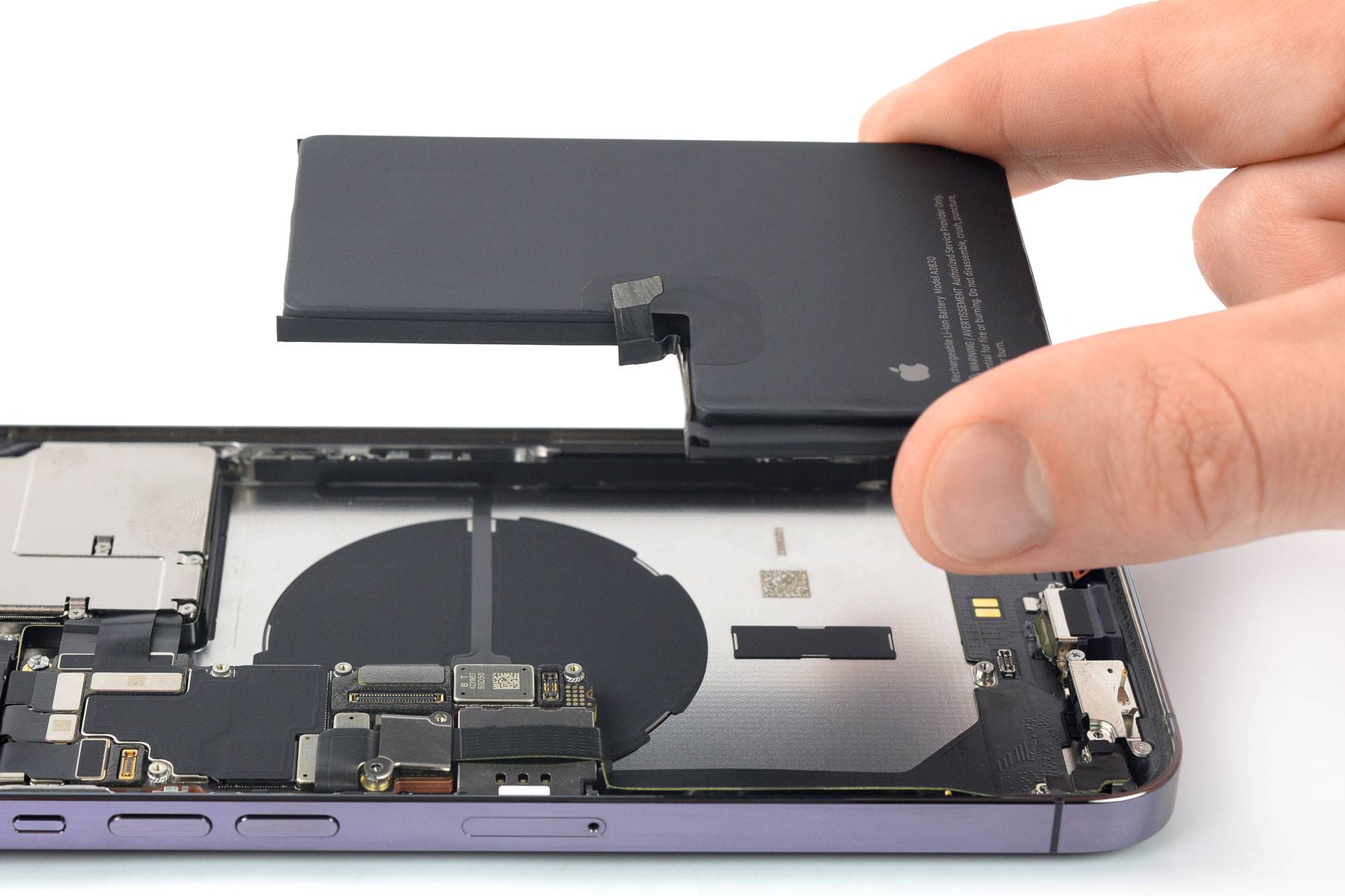
Reports indicate that this new regulation was already approved as part of a broader regulatory package in 2023 and will officially take effect on February 18, 2027. By then, all portable devices sold in the EU market must be designed with batteries that meet the condition of being “user-removable and replaceable,” and must not rely on special tools or operations by after-sales service personnel. In other words, ordinary consumers should be able to independently complete battery replacement without damaging the device or using specialized equipment.
The new regulation is seen as a major reversal of the recent trend of “sealed batteries.” For a long time, many smartphones and tablets have adopted integrated bodies and built-in battery designs. If users want to replace the battery, they often need to go to official or third-party repair shops, which objectively increases maintenance costs and also causes many consumers to directly choose to replace the entire device when battery performance deteriorates significantly, thereby increasing the generation of electronic waste. The EU hopes that by mandating the restoration of replaceable battery capabilities, it will encourage manufacturers to consider repairability and sustainability in the design phase, allowing devices to remain usable for a longer period.
At the same time, the requirement to uniformly adopt the USB-C charging interface continues the EU’s policy path of promoting “universal charging standards” in the field of electronic products in recent years. Regulators believe that a unified interface is not only beneficial for consumers to share charging cables and adapters between different brands of devices, but also reduces a large amount of discarded cables and chargers due to interface incompatibility. The implementation of this standard on highly popular electronic products such as mobile phones and tablets is expected to produce significant environmental effects in real life.
For mobile phone and tablet manufacturers, the new regulations mean that product design ideas will have to be adjusted. On the one hand, the device needs to reserve a detachable structure and sufficient repair space for the battery while ensuring structural strength and waterproof and dustproof performance; on the other hand, the internal layout and appearance design will also face the challenge of rebalancing “thinness” and “maintainability.” Industry insiders generally expect that as the date of the law’s entry into force approaches, major manufacturers will successively launch new generations of replaceable battery product lines to maintain competitiveness in the important EU market.
For consumers and environmental organizations, this policy is seen as an important step towards “right to repair” and “green consumption.” In the future, when consumers purchase new machines, they will be able to no longer passively retire the entire machine due to battery aging, but instead extend the use cycle of existing equipment by replacing the battery. Environmental groups expect that after the regulations are implemented, the total amount of electronic waste within the EU will decrease substantially. As the implementation date of 2027 approaches, the product standards, technical details, and market responses surrounding replaceable batteries and USB-C interfaces will also become the focus of attention in the European technology and consumer markets.
Related Articles:
EU to Launch New Smartphone Battery Life and Repairability Labels