FAA Orders Investigation into Blue Origin’s New Glenn Rocket Upper Stage Failure Incident
The U.S. Federal Aviation Administration (FAA) has instructed Blue Origin to conduct a formal investigation into a suspected malfunction of the upper stage of its New Glenn rocket, resulting in a suspension of further launches until the investigation is complete. The FAA has classified the launch as a “mishap,” and Blue Origin must determine the cause of the failure and report to regulators.
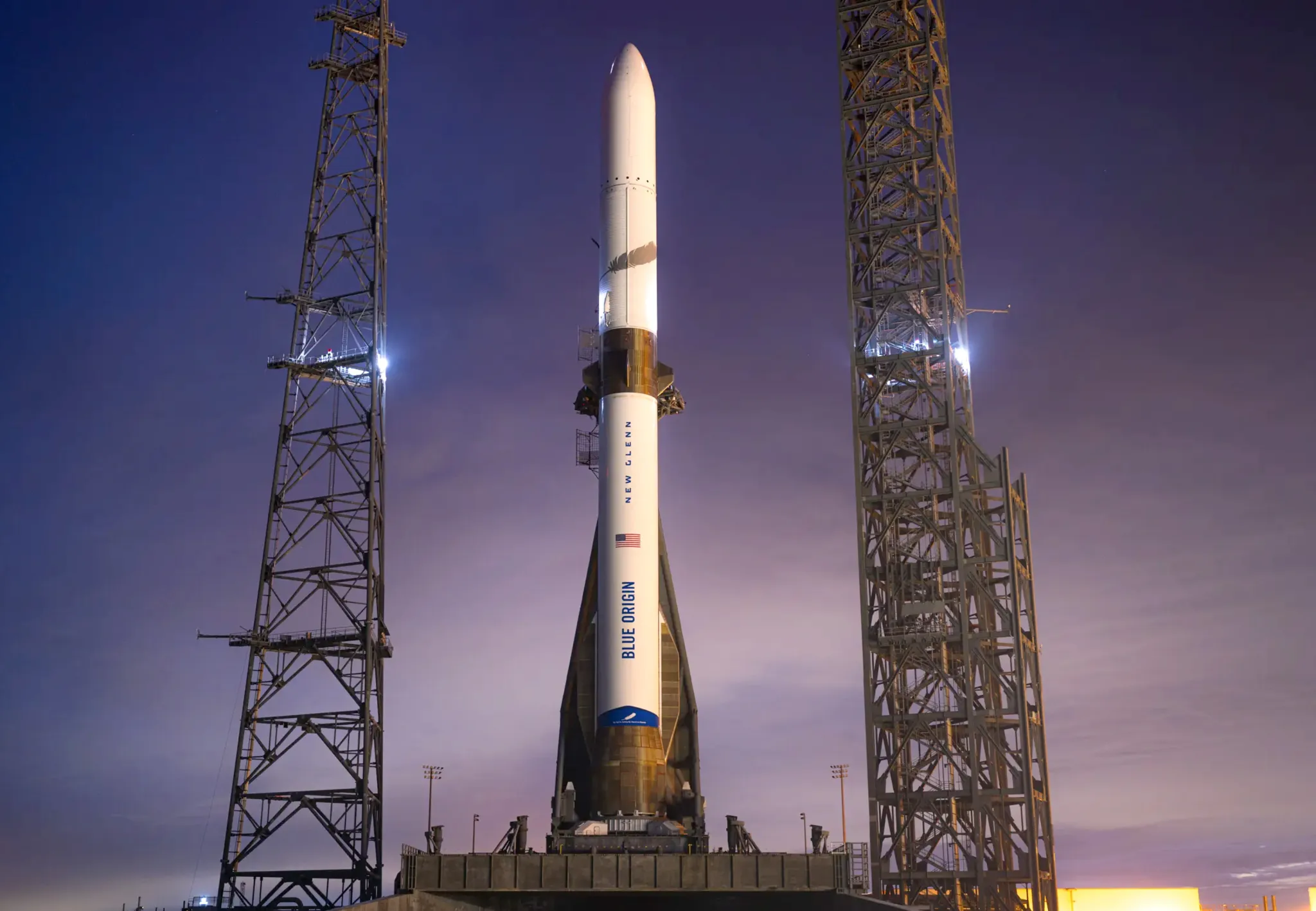
This decision is likely to disrupt Blue Origin’s launch plans for the year. The company had previously stated that New Glenn was expected to carry out up to 12 missions this year, but the actual pace will depend on the duration of the investigation and the progress of improvements. As of now, Blue Origin has not issued a public statement regarding the upper stage failure, nor has it responded to media requests for comment.
The failure occurred during New Glenn’s third launch mission. The initial stage of the launch proceeded smoothly, with the company successfully reusing the New Glenn first-stage booster and once again successfully recovering it on a remotely operated sea-going barge, which was seen as an important milestone for Blue Origin in reusable technology.
Breaking through in the field of rocket reusability is considered by outsiders as an important step for Blue Origin to compete directly with Elon Musk’s SpaceX. Currently, SpaceX remains the only commercial space company to have achieved large-scale reuse of large launch vehicles and is the dominant player in the global commercial launch market.
However, the primary goal of this mission was to deliver a communications satellite for paying customer AST SpaceMobile to its intended orbit. Although the New Glenn second stage successfully separated from the booster as programmed, anomalies appeared shortly thereafter. AST SpaceMobile released a statement on Sunday saying the rocket ultimately placed the satellite into an orbit “significantly below planned” altitude, so low that the company determined the satellite was beyond recovery and would burn up in the Earth’s atmosphere.
AST SpaceMobile stated that the satellite was insured and the loss will be covered by insurance. The company also emphasized that several new satellites are nearing completion and are expected to be ready for re-launch within weeks, and that its launch contracts are diversified among a number of different rocket operators to reduce single-vendor risk. The company’s stock price fell by more than 10% in early trading on Monday due to the accident, before recovering slightly.
For Blue Origin, this upper stage failure not only affects commercial missions but also casts a shadow over the company’s longer-term deep space plans. Blue Origin is developing a lunar lander and hopes to play a key role in the human return to the moon led by the Trump administration and NASA, and New Glenn is one of the important launch platforms supporting these deep space projects.
At the same time, Blue Origin is at a critical stage in seeking certification from the U.S. Space Force, with the goal of entering the U.S. national security and military space launch market. The Space Force has not yet publicly responded to the accident and its potential impact on the certification process.