Apple Reportedly Downgrading iPhone 18 Specs to Cut Costs
Sources reveal Apple is lowering the originally planned hardware specifications for the standard iPhone 18 to control costs and further differentiate it from the lower-priced iPhone 18e model. This information was first leaked by Chinese social media user “Defocus Digital,” who claims iPhone 18 production has undergone “certain downgrades” explicitly categorized as “cost-cutting measures.”
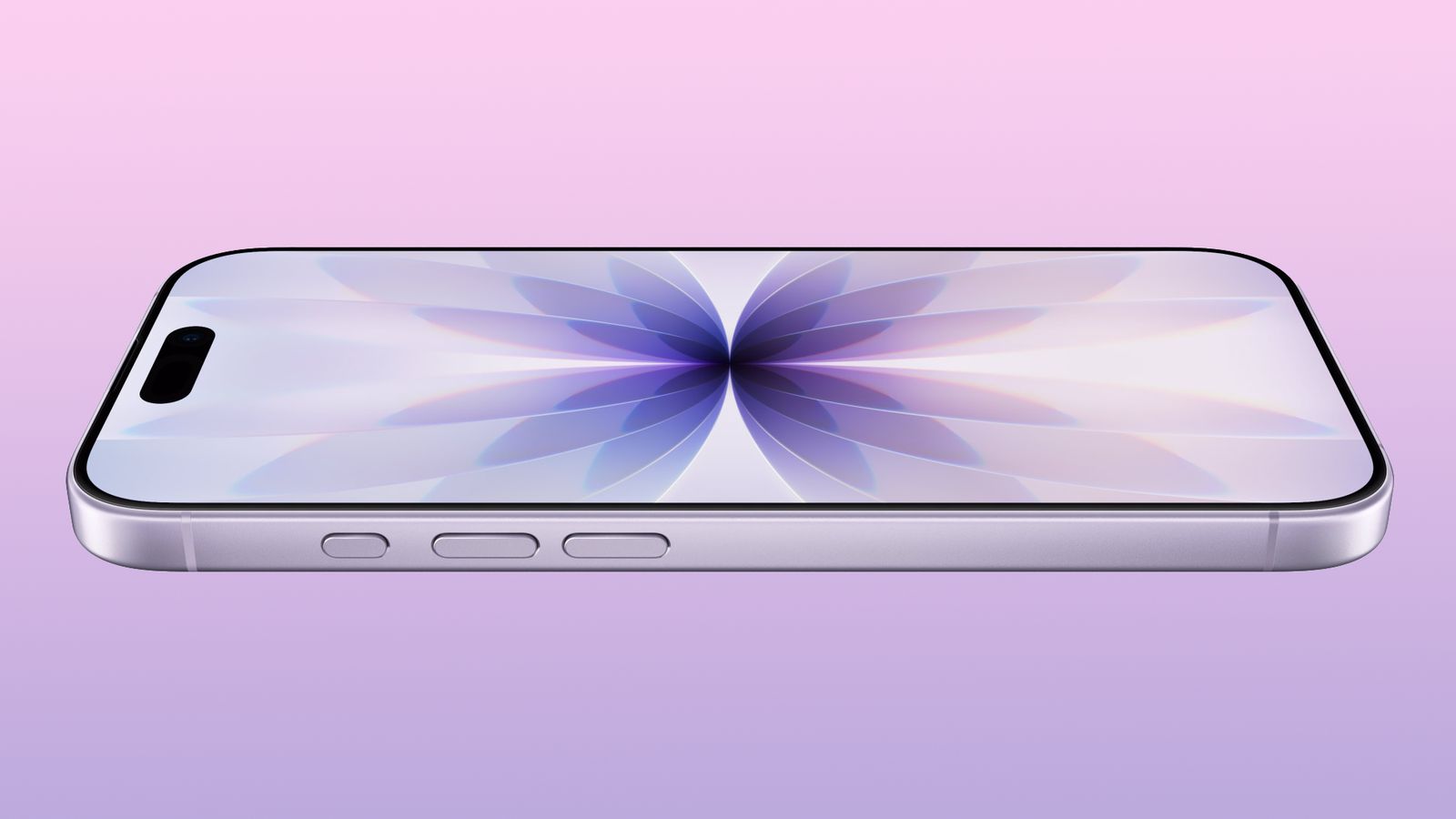
The leak claims Apple has devised a new cost control strategy for the standard iPhone 18, involving multiple key areas such as manufacturing processes, chips, and memory, with the overall configuration “effectively moving closer to the 18e.” It remains unclear what core differences will remain between the standard iPhone 18 and the iPhone 18e after this round of downgrades. In the current generation, iPhone 17e and iPhone 17 product lines, the main differences lie in Dynamic Island, screen size, ProMotion adaptive high refresh rate, screen brightness, front camera, ultra-wide camera, and battery life.
“Defocus Digital” states they have “confirmed and verified” the information through multiple channels. They emphasize that this iPhone 18 leak comes from the same source who previously accurately predicted that “the iPhone 17e will continue to retain the notch design and will not adopt the Dynamic Island,” a claim that ultimately proved true, indirectly increasing the credibility of this information.
According to existing rumors, Apple will adopt a new phased release strategy in the next generation of models: the standard iPhone 18 will launch several months after the iPhone 18 Pro series. It is widely expected that Apple’s usual autumn launch event will focus on the iPhone 18 Pro, iPhone 18 Pro Max, and the rumored foldable model “iPhone Ultra.” As for the iPhone 18e, standard iPhone 18, and iPhone Air 2, they are more likely to debut in the spring of 2027.
In previous related leaks, “Defocus Digital” also mentioned that the standard iPhone 18 will not have significant changes in appearance, which corroborates Apple’s approach of compressing costs through “implicit downgrades” of internal hardware. If the above news ultimately comes true, the boundaries between Apple’s mid-to-high-end and entry-level product lines may continue to blur, and the positioning of the standard iPhone will face new challenges.