AI Memory Demand Soars: Chipmakers Ramp Up Production, But Supply Won't Catch Up Until 2027, Covering Only 60% of Demand
A recent report indicates that global demand for High Bandwidth Memory (HBM) is rapidly increasing due to generative AI, but even with active production expansion by major chip manufacturers, supply shortages will likely persist at least until 2027. Analysts predict that global HBM capacity will cover only about 60% of market demand by then, and the trend of AI "consuming" the entire memory market is unlikely to reverse in the short term.
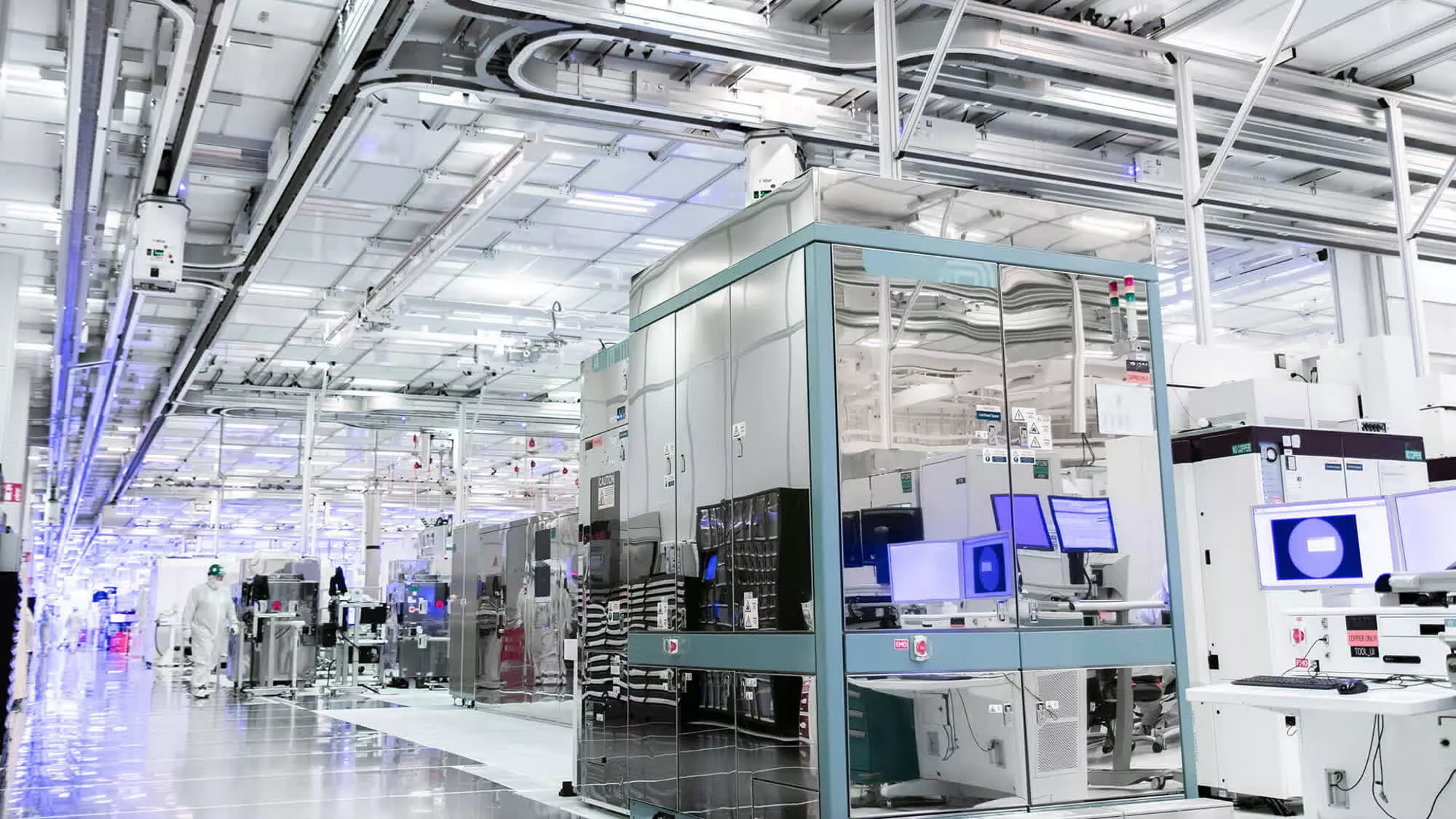
According to a report by Nikkei Asia citing industry data, the core reason for the current memory supply shortage is the explosive demand for specialized products like HBM from AI data centers, while existing wafer fab capacity and the progress of new factory construction are far behind this structural change. Industry giants including Samsung Electronics, SK Hynix, and the United States’ Micron are increasing capital expenditures on next-generation factories and production lines, but global supply gaps will continue for several years before these projects are gradually put into production.
SK Hynix recently activated a new wafer fab in Cheongju, but larger-scale capacity expansion is not expected to be released until 2027-2028. According to calculations cited by Nikkei, manufacturers would need to increase production by approximately 12% annually over the next two years to close the supply-demand gap. However, research firm Counterpoint estimates the actual annual increase will be around 7.5%, far below the level needed to fill the gap.
Looking at a longer time horizon, the situation of supply tension may be even more severe. SK Group Chairman Choi Tae-won previously stated that he expects the memory shortage to persist until around 2030. During this period, the industry’s focus has clearly shifted to high bandwidth memory, a key component for AI accelerator cards and high-end GPU workloads. Currently, SK Hynix accounts for approximately 32% of the global DRAM market share and holds more than half of the market share in the HBM segment, having a significant impact on the industry’s supply structure.
With resources heavily tilted towards AI-related products, traditional consumer-grade memory is gradually being marginalized. Memory chips for devices such as PCs and smartphones are no longer the focus of production expansion, and in some manufacturers’ business layouts, they are even being actively phased out. Micron previously announced the complete closure of its Crucial brand, which has been operating for nearly 30 years, while other manufacturers are taking advantage of the rising AI wave to significantly increase the prices of products such as DRAM to maximize profitability.
This structural tension has begun to pass down the industrial chain. Some OEMs and system integrators have begun to make compromises on product specifications to cope with the pressure of limited supply of key components. Some hardware products facing consumers were designed with lower performance targets from the beginning, reflecting the “restrained” configurations that must be accepted under tight supply chains. For end users, the signal being sent by manufacturers is largely that, at this stage, trade-offs between performance and configuration are a reality, and consumers need to be “content with what they have” within limited resources.