Apple's New CEO Achieves Legendary Status in One Battle: Leading Mac's Abandonment of Intel, Ending Apple's x86 Era
On April 20th local time, Apple announced a significant leadership change. Longtime hardware executive John Ternus will succeed Tim Cook as Apple CEO, taking over from him after he led the company since 2011.
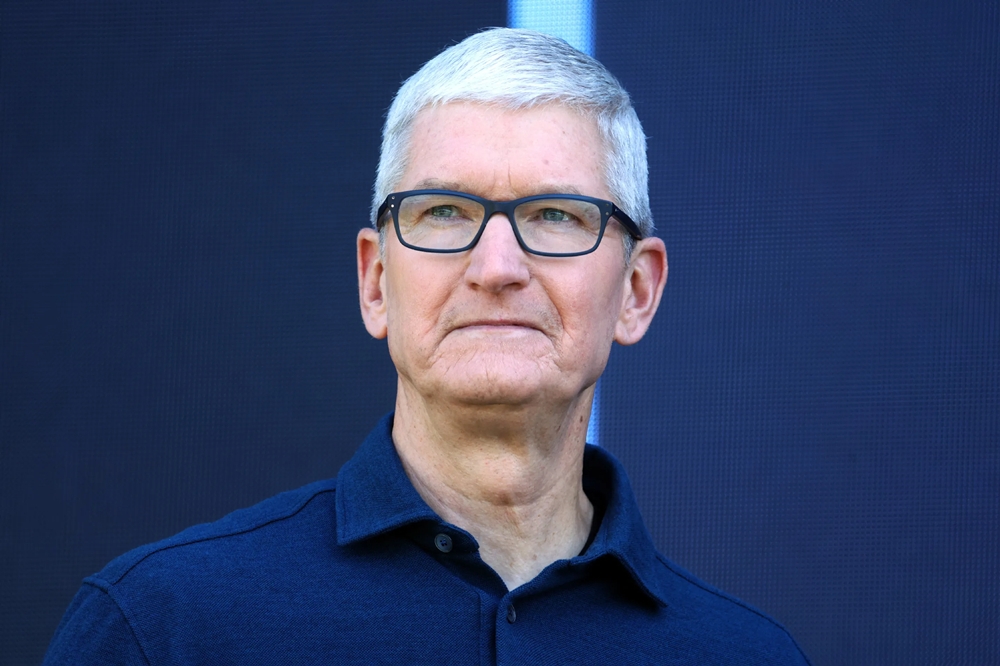
Tim Cook, who previously served as CEO, will transition to the role of Executive Chairman of Apple. This personnel change marks the official beginning of the post-Cook era, with leadership formally passed on to a younger generation of decision-makers.
It is understood that John Ternus is approximately 15 years younger than Cook, and he has spent nearly half of his career at Apple. He joined Apple just four years after graduating with a degree in Mechanical Engineering from the University of Pennsylvania, and subsequently rose through the ranks to become head of the hardware engineering team.
He has long been seen as the most popular and recognized successor candidate within Apple. Analyst Ming-Chi Kuo pointed out that John Ternus's most notable achievement in recent years was leading the Mac devices to abandon Intel processors and fully transition to self-developed M-series chips.
This transformation completely ended Apple's X86 era, marking Apple's complete self-reliance in core underlying technology. This ability to integrate hardware, software, and developer ecosystems and achieve commercial success in one go fully demonstrates his high execution and coordination skills.
Without the key transformation initiated by John Ternus, there would likely not be the huge success of current MacBook Neo products. His ability to balance technological research and development with product implementation has received consistent praise from within Apple and the industry.
Ming-Chi Kuo also stated that Cook built an extremely efficient global supply chain management mechanism for Apple during his tenure. After John Ternus takes office, while continuing this mechanism, he is expected to further deepen technical cooperation with suppliers.
This cooperative approach will no longer be limited to simple production and manufacturing, but will shift more towards joint technological innovation. This deep-level industrial chain integration will reserve core competitiveness for Apple's next generation of disruptive products and lead the company towards the next decade.