Qualcomm CEO Amon Visits South Korea, Considering Re-allocating Orders to Samsung
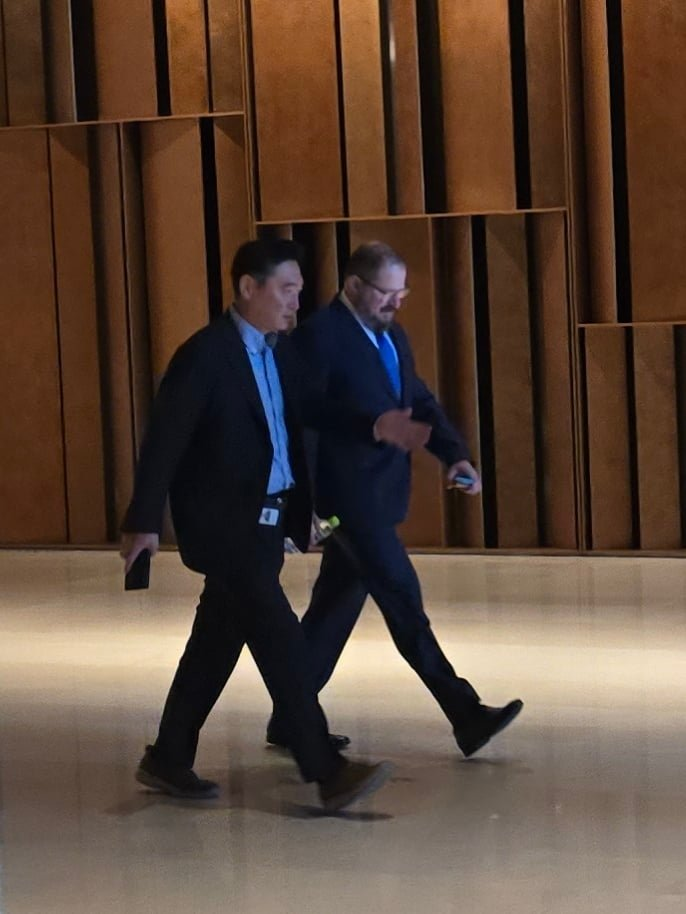
Qualcomm CEO Cristiano Amon arrived in South Korea on April 21st for a series of business meetings. He will meet with executives from Samsung Electronics and SK Hynix to discuss deeper cooperation in the semiconductor field. The main focus of the visit is a meeting between Amon and HanJin-man, head of Samsung's foundry division, with speculation that they will discuss a strategy to use Samsung's 2nm process to produce Qualcomm's next-generation flagship chips.
Currently, Samsung has made significant progress on the commercialization of the 2nm process. Its independently developed Exynos 2600 chip has been successfully mass-produced and will be first adopted by its flagship Galaxy S26 series, providing a technical reference for Qualcomm's potential return.
Qualcomm's foundry cooperation with Samsung has experienced setbacks. The Snapdragon 888 chip launched in 2020 was manufactured using Samsung's 5nm process, but its power efficiency performance sparked considerable controversy in subsequent actual tests.
Blogger testing data shows that under the same gaming environment, the Kirin 9000 and Apple A14 chips using TSMC's 5nm process had an average power consumption of only 2.9W and 2.4W respectively. However, the Snapdragon 888 using Samsung's 5nm process had a power consumption as high as 4.0W.
Affected by this, starting with the Snapdragon 8+ Gen 1, Qualcomm decisively shifted orders to TSMC. Subsequent Snapdragon 8 series and the latest Snapdragon 8 Elite series platforms were also manufactured by TSMC, and their stable performance allowed Qualcomm to regain market reputation.
Five years later, as semiconductor manufacturing enters the 2nm era, Samsung's technical reputation is turning a corner. Qualcomm's consideration of re-allocating some orders to Samsung is not only to pursue more advanced processes, but also to diversify chip sources in an environment of constrained supply.
In addition to chip foundry, another major task of Amon's visit to South Korea is to solve the memory supply problem. He plans to visit SK Hynix to discuss memory security matters in the context of a global DRAM shortage.
With the explosive growth of AI data centers, the demand for large-capacity LPDDR memory has surged, which has greatly squeezed the supply space for mobile chip companies like Qualcomm. Amon's trip aims to secure more additional supply to ensure a stable supply of flagship phones globally.