TP-Link Applies to FCC for Waiver of Router Ban, Emphasizing its Status as a U.S. Company
TP-Link, the wireless router brand with the largest market share in the U.S., is attempting to persuade the Federal Communications Commission (FCC) to grant it an exemption from the “foreign-made router ban.” The company emphasized to regulators that it is now a U.S. company headquartered in Irvine, California, and a full ban would severely impact the U.S. router market.
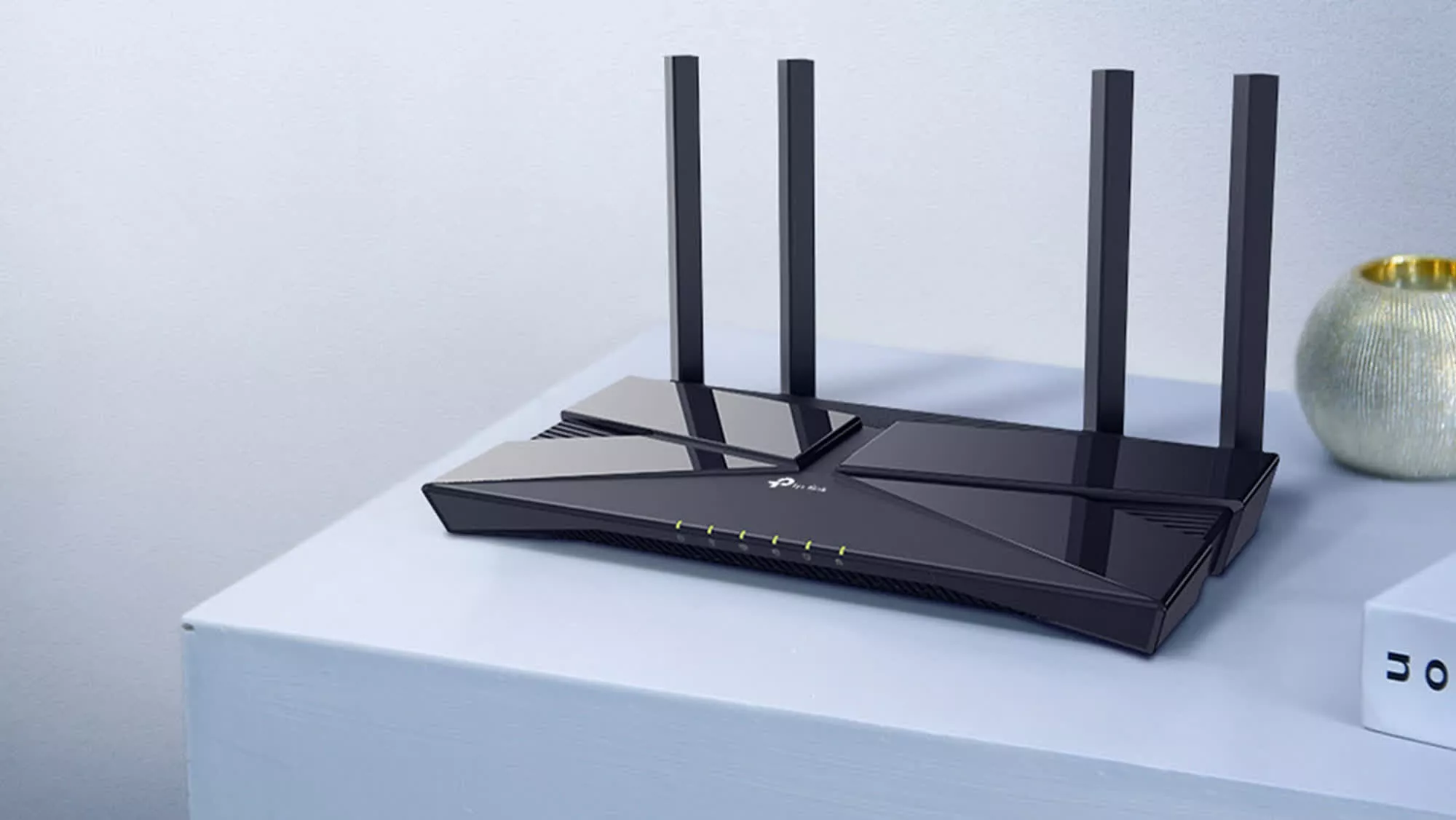
According to two recently released FCC regulatory filings, TP-Link met with FCC officials last Thursday, with company lawyers and consultants communicating with the teams of Commissioners Olivia Trusty and Anna Gomez. The core purpose of the meeting was to secure an exemption from the FCC’s recently introduced “foreign-made router ban.”
TP-Link reiterated that its headquarters are located in Irvine, California, and that it holds over a third of the U.S. direct-sales router market, with its products frequently receiving positive reviews for performance, ease of installation, and affordability. Reports indicate that 5 of the top 12 best-selling routers on Amazon’s U.S. site are from TP-Link, demonstrating its influence in the consumer market.
The risk of TP-Link routers being banned in the U.S. dates back to December 2024. At that time, reports surfaced that the U.S. Department of Commerce, Department of Defense, and Department of Justice had initiated their own investigation procedures based on national security concerns, with the company’s pricing strategies and, most notably, its “relationship with China” becoming key areas of scrutiny.
In February 2025, Texas Attorney General Ken Paxton filed a lawsuit against TP-Link, accusing the company of allowing state-sponsored hacker groups linked to China to launch attacks using its devices. Paxton had already launched an investigation into TP-Link as early as October 2025.
Public information shows that TP-Link was founded in Shenzhen, China in 1996 by brothers Zhao Jianjun and Zhao Jiaxing. In 2008, the company established TP-Link USA to handle marketing and after-sales support in the North American market, but ownership and operations remained closely linked to the Chinese parent company.
In 2024, TP-Link made significant adjustments to its overseas structure: TP-Link USA merged with the company’s other non-Chinese businesses to form TP-Link Systems Inc., headquartered in Irvine, California. The company stated that this restructuring aimed to establish “organizational separation” between its Chinese and non-Chinese businesses, including distinctions in ownership structure, corporate governance, R&D systems, and supply chains. However, U.S. regulatory and security agencies remain skeptical about whether this “separation” is sufficient.
Currently, TP-Link hopes to follow the example of Netgear and Adtran, both of which have already received 18-month waivers from the FCC. According to FCC rules, companies applying for waivers must disclose detailed information about their ownership structure (including the nationality of all owners), management structure, and supply chain, and legally guarantee the accuracy of the information in signed formal submissions.
According to documents cited in the report, current TP-Link CEO and co-founder Zhao Jianjun is a Chinese citizen, but he is attempting to apply for a so-called “Trump Card” – a U.S. fast-track immigration visa aimed at wealthy foreigners, costing up to $1 million. Whether this change in status, if successful, will affect the attitude of U.S. regulators remains unknown.
The FCC stated that under the temporary waiver arrangement, router products already authorized for sale in the U.S. can continue to receive software and firmware updates, including security patches and compatibility fixes. This temporary waiver will remain in effect until March 1, 2027, to avoid exposing existing users to security risks due to a sudden tightening of policy.
In the broader context of the technology industry, scrutiny surrounding network equipment security, supply chain origins, and corporate relationships with specific countries is intensifying. TP-Link’s fate is seen as one of the indicators of this policy trend. If it fails to secure a waiver, the landscape of the U.S. router market and the range of products available to users could change significantly in the coming years.