Intel Promises Overclocking Support on More Entry-Level Processors in the Future
Intel Vice President and General Manager of Enthusiast Products Robert Hallock recently stated that Intel plans to expand overclocking support to a wider range of processor product lines, no longer limited to the current K and KF series. This move is seen as a significant change in Intel's product strategy, as the company has traditionally offered overclockable unlocked processors for many years, but usually only on high-end SKUs.
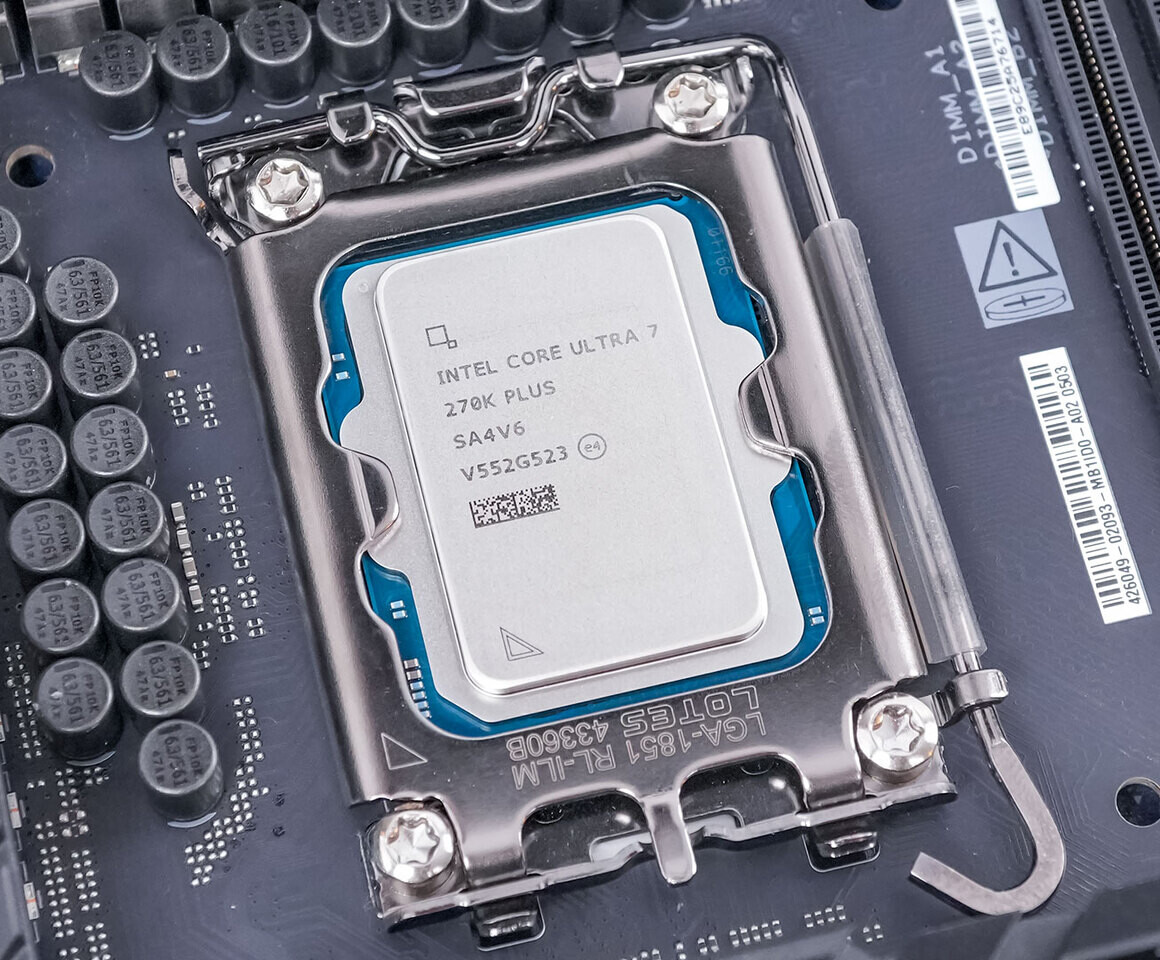
Hallock emphasized that unlocking overclocking for CPUs across different price points will help budget-conscious PC gamers and enthusiasts enjoy this key selling point without having to pay a high premium for top-tier models.
In an interview with German media PC Games Hardware, Hallock stated that Intel's goal is to launch “more and more unlocked SKUs” in the future, and that overclocking should not be a privilege “reserved for those who spend the most money.” He pointed out that not all users can afford $500-level processors, but that doesn't mean they are less passionate than high-end players. They are also PC enthusiasts and “deserve the same level of functionality,” and Intel intends to deliver on this promise in its product roadmap.
The report also pointed out that the overclocking experience depends not only on whether the processor itself is unlocked, but also on the motherboard chipset. According to Intel's past product strategy, only motherboards equipped with Z-series chipsets – such as current models based on the Z890 chipset – officially support frequency boosting of unlocked K/KF processors. This means that to truly “democratize” overclocking to a more value-conscious player base, the motherboard ecosystem also needs to be adjusted accordingly, including opening up related functions on more affordable chipsets, which is a challenge in itself.
Regarding a specific timeline, Intel has not yet provided a clear node. TechPowerUp speculates that with the launch of the next-generation “Nova Lake” architecture processors planned for the end of 2026, related platform and CPU-level changes are likely to be implemented synchronously, but currently remains at the roadmap and vision level. For users who are looking forward to official overclocking support on mid-to-low-end platforms, this statement sends a positive signal, but it will still take time to observe before it becomes truly widespread.