JPMorgan Chase Data Center Expansion Project Receives $77 Million in Tax Breaks for Just One Long-Term Job
According to American investigative media NewYorkFocus, JPMorgan Chase’s data center expansion project in Orangeburg, New York, recently received approval from local authorities, entailing nearly $77 million in tax breaks, but is expected to add only one permanent job, sparking strong controversy locally.
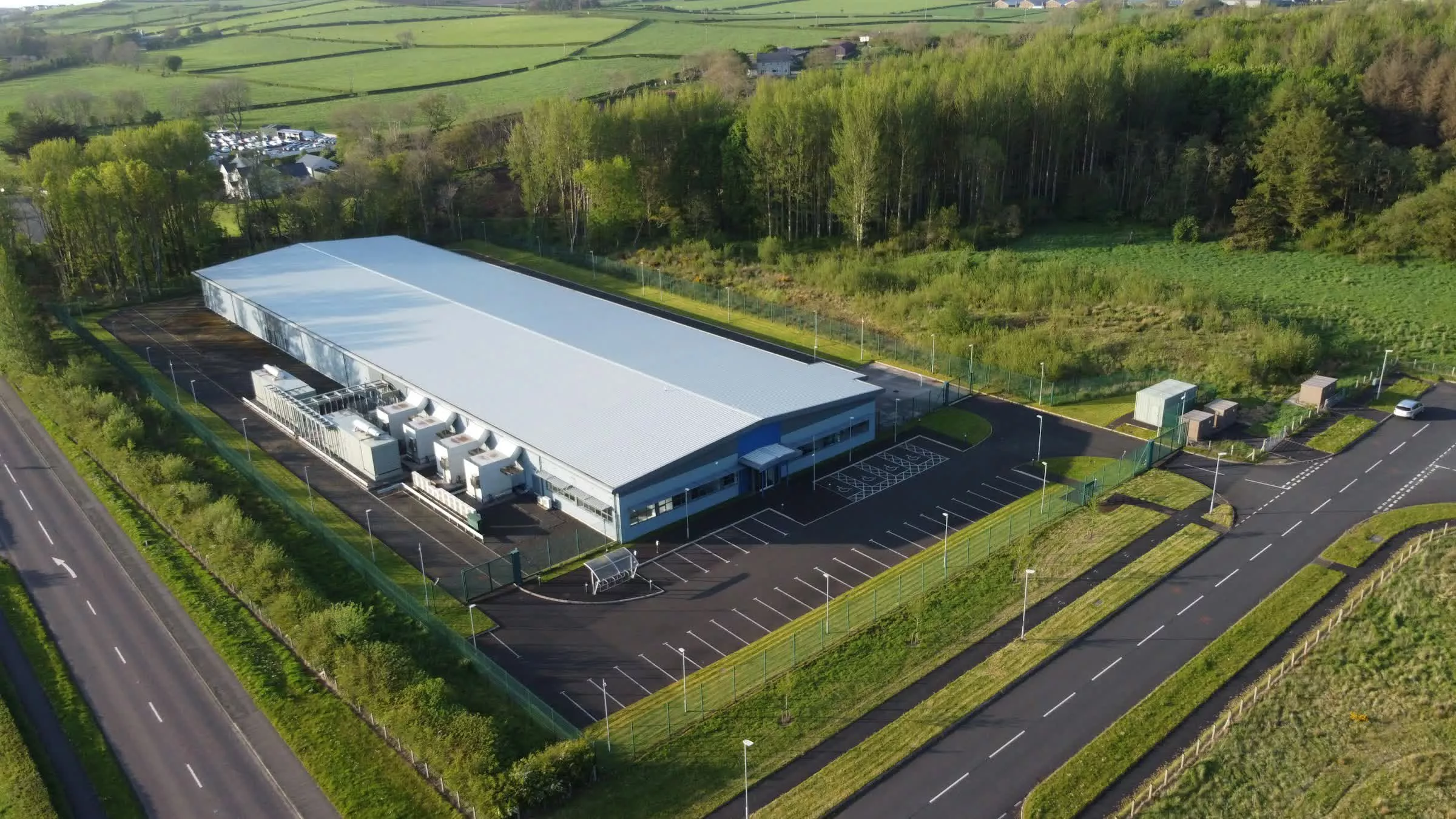
The project was reviewed and approved by the Rockland County Industrial Development Agency (Rockland IDA), located near the New Jersey border, with almost no public scrutiny throughout the process.
The report points out that the public hearing held in 2024 regarding this expansion plan was a “textbook example of anti-public participation”: no residents attended to speak, and the meeting remained silent for about 20 minutes before the multi-million dollar subsidy plan was officially approved two weeks later. According to currently disclosed data, the nearly $77,000,000 in benefits is primarily in the form of sales tax exemptions, covering material and equipment costs for the project’s approximately $1 billion construction, with the subsidy accounting for nearly 8% of the project’s total cost.
Oversight organizations and fiscal watchdogs criticize that there has never been a case in the United States where such a large subsidy was given for creating so few long-term jobs. Previously, JPMorgan Chase’s existing data center in the area had already received approximately $35 million in tax breaks, and the most recent disclosed data shows that the facility employs only 25 people. Critics view this expansion as a continuation of “increasing” tax breaks on top of the existing ones, with almost no new job creation, making it a typical example of “extreme data center subsidies.”
In response to the questioning, local officials insist that the claim of “only one job added” is misleading. Steven Porath, Executive Director of the Rockland IDA, stated that the expansion project will create more than 1,400 temporary construction jobs and bring over $100 million in economic benefits to the area, arguing that evaluating the project using the traditional metric of “cost per permanent job” is “outdated.”
However, from a broader social perspective, this deal has undoubtedly further worsened public perception of AI data centers. In addition to environmental and livelihood issues such as electricity consumption, carbon emissions, noise, and land occupation, the stark contrast between high subsidies and limited employment is gradually becoming a key reason for voters and communities to oppose data center projects. Recently, voters in Festus, Missouri, just ousted four incumbent city councilors in a municipal election, partly because they had voted in favor of a $6 billion AI data center project, further highlighting that such facilities have evolved into highly sensitive political issues.
Data shows that Orangeburg has become a regional data center cluster, with 10 data center projects currently distributed across 4 locations. Some of these projects have previously faced opposition from surrounding residents due to concerns about safety and the environment, including proximity to drinking water reservoirs. In this context, JPMorgan Chase’s re-approval of a massive tax break with almost no increase in long-term jobs is more likely to be seen as a symbol of “data center overexpansion,” triggering a greater public backlash.
In comparison, the employment output of JPMorgan Chase’s project is particularly striking. Another tech giant, Amazon, recently announced a $12 billion investment in building a new data center in Louisiana, with officials claiming it will create 540 full-time jobs and support an additional 1,710 jobs. Although there are also doubts about whether these “promised jobs” will be fully delivered, the number is at least far from the awkward figure of just one new long-term job left by the Orangeburg expansion project.
At the industry level, the current global AI wave is driving a rapid expansion of investment in chips, servers, and data center infrastructure, with the market capitalization of related companies repeatedly reaching new highs. At the same time, the impact of large-scale data centers on local finances, environmental resources, and community structures is receiving increasing attention. Balancing attracting investment with protecting the public interest is becoming a realistic challenge for states and local governments in the United States. JPMorgan Chase’s $77 million tax break for just one new long-term job has been seen by many critics as the latest microcosm of this contradiction.