Lutnick Says NVIDIA Has Not Yet Sold H200 Chips to China
U.S. Commerce Secretary Howard Lutnick testified before Congress that NVIDIA's latest generation H200 AI chips have not yet been sold to any Chinese companies. This means that despite the Trump administration's conditional approval of related exports to China in January of this year, this AI chip, considered NVIDIA's "second most advanced," has not actually entered the Chinese market.
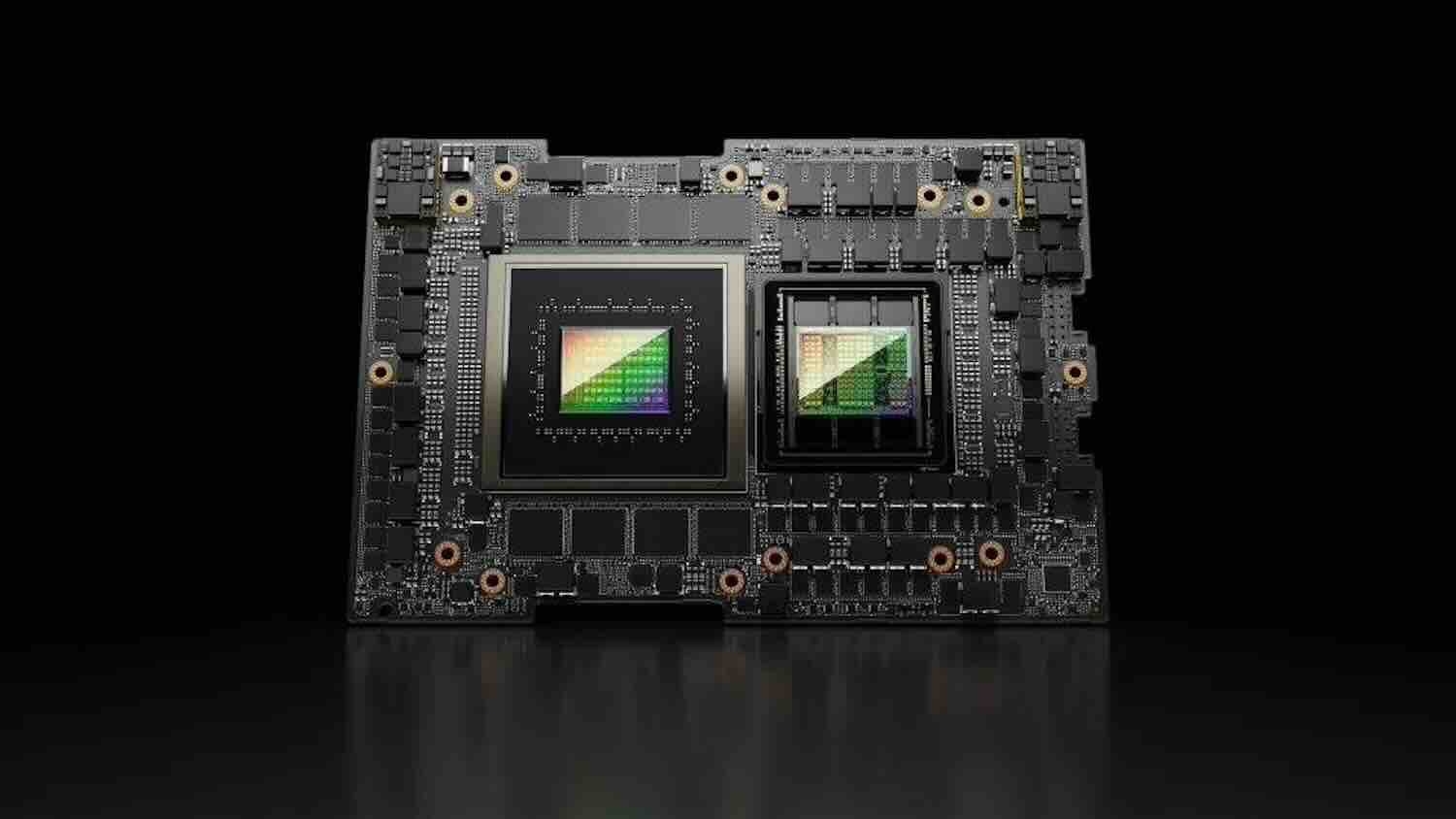
Lutnick said during a Senate hearing that Chinese companies are facing difficulties in obtaining approval from their own government. He stated that the Chinese central government “has not yet allowed them to purchase these chips, as they are trying to concentrate investment in their own industries.” Lutnick added, “We haven’t sold them the chips to date.” NVIDIA has not yet made a public response on this matter.
In January of this year, the U.S. Department of Commerce allowed NVIDIA to sell H200 chips to China under certain conditions after relaxing some export restrictions, but required relevant licenses to be reviewed by departments such as the State Department, Department of Defense, and Department of Energy. This decision sparked concern among those in Washington who take a hard line on China, who warned that Beijing could use these high-performance chips to enhance its military capabilities, posing a challenge to U.S. national security.
Sources previously told Reuters that disputes over sales terms have delayed plans to ship H200 chips to China. On the U.S. side, some proposed conditions include strict “Know Your Customer” (KYC) requirements, designed to prevent the Chinese military from accessing these chips. Reports indicate that NVIDIA has not yet agreed to the relevant terms of use, which have become a central focus of its sales negotiations with China.
Meanwhile, Chinese tech companies are also watching the prospects for the H200. The Financial Times quoted sources as saying that Chinese customers are generally holding back and delaying orders before it is clear whether licenses can be obtained and what specific restrictions will be in place. Earlier reports indicated that Chinese regulators have in principle approved a number of companies, including ByteDance, Tencent, Alibaba, and some AI startups, to import H200 chips, but relevant regulatory details are still being formulated and improved.
Against the backdrop of the U.S. continuing to tighten its high-tech export controls to China, the destination of the H200 is seen by outsiders as an important indicator of the direction of Sino-U.S. technological friction. Lutnick reiterated on the same day that NVIDIA must “comply with the various security safeguards and licensing conditions set around sales to China,” and emphasized that these conditions were formed after consultation with multiple security departments. Currently, the U.S. government is seeking to maintain its technological advantage in the field of artificial intelligence while attempting to avoid the use of related technologies to undermine U.S. security interests through the establishment of complex licensing and compliance mechanisms.