Combating Fraudulent Refunds with Edited Images: Taobao and Tmall Launch After-Sales AI Fake Image Recognition Model
Currently, in e-commerce after-sales service, some users fraudulently obtain refunds by using AI-generated or software-edited fake images of damage or stains, causing significant losses to merchants and platforms. To address this, Taobao and Tmall have officially launched an after-sales AI fake image recognition model and simultaneously opened an AI fake image feedback portal, focusing on combating the industry chaos of using AI to forge or edit images to falsely claim refunds for product defects, thereby protecting the legitimate rights and interests of merchants.
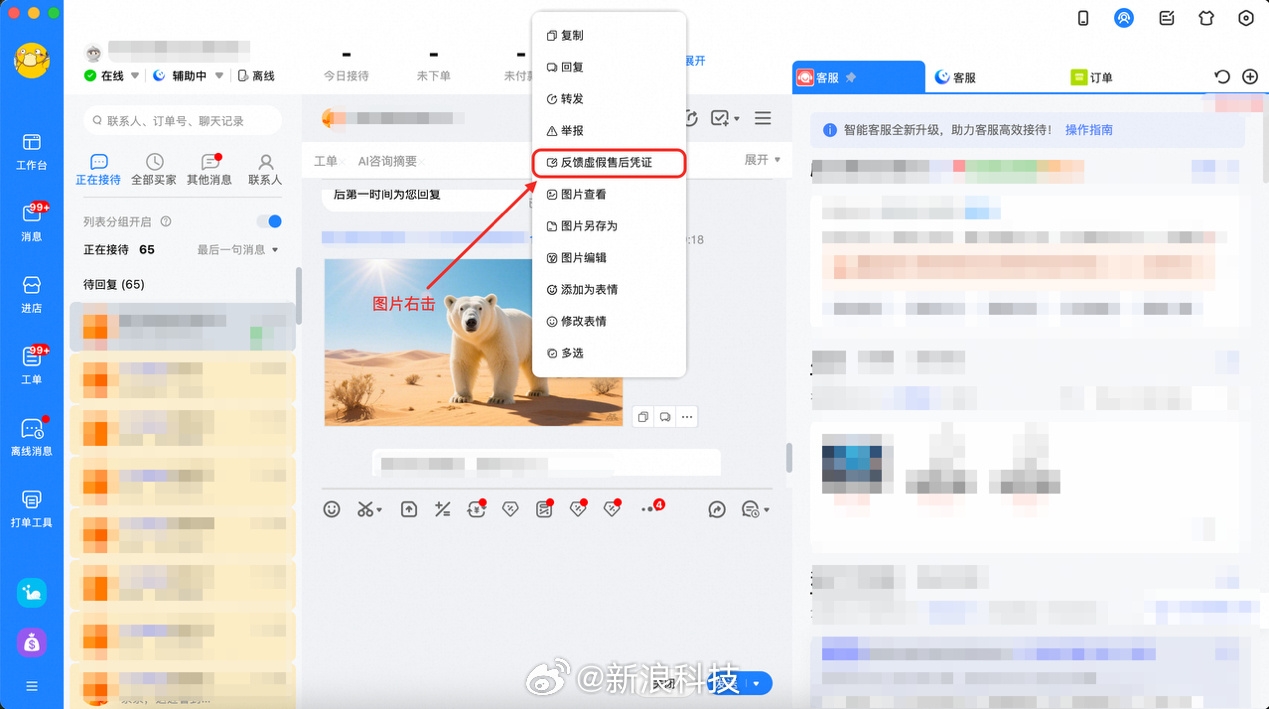
Taobao and Tmall have established an AI fake image recognition and governance system, applying the model to core links such as dispute resolution, refund review, and merchant appeals, forming a comprehensive protection mechanism.
The model adopts the latest AI-generated image detection technology from Alibaba’s Security Department, trained on a massive dataset of real images and AI-generated fakes, and can accurately identify various types of false evidence, including purely AI-generated images, real images edited with AI, and images with software watermarks, effectively intercepting fabricated after-sales evidence.
In specific operations, merchants can right-click on suspected fake images in the Qianniu Wangwang chat and select "Report False After-Sales Evidence," then select the order and scenario to submit with one click.
After the platform’s AI determines an image to be fake, the result will directly affect dispute resolution and provide a warning to merchants, significantly reducing losses from malicious refunds.
Currently, this function is prioritized for merchants with store ratings of 4.8 and above. Subsequently, as the model’s capabilities improve, it will gradually cover more merchants, further optimizing the e-commerce business environment.