Tesla Says Rising Gasoline Prices Are Driving Demand for Electric Vehicles
Tesla reports a recent “rebound” in global electric vehicle demand influenced by soaring oil prices following the Iran conflict, alongside better-than-expected earnings and free cash flow in its latest first-quarter report. The company states that despite only a “slight increase” in domestic U.S. demand, rising global orders have driven its first-quarter order backlog to a new high in over two years, achieved even as the U.S. federal electric vehicle tax credit ended last year.
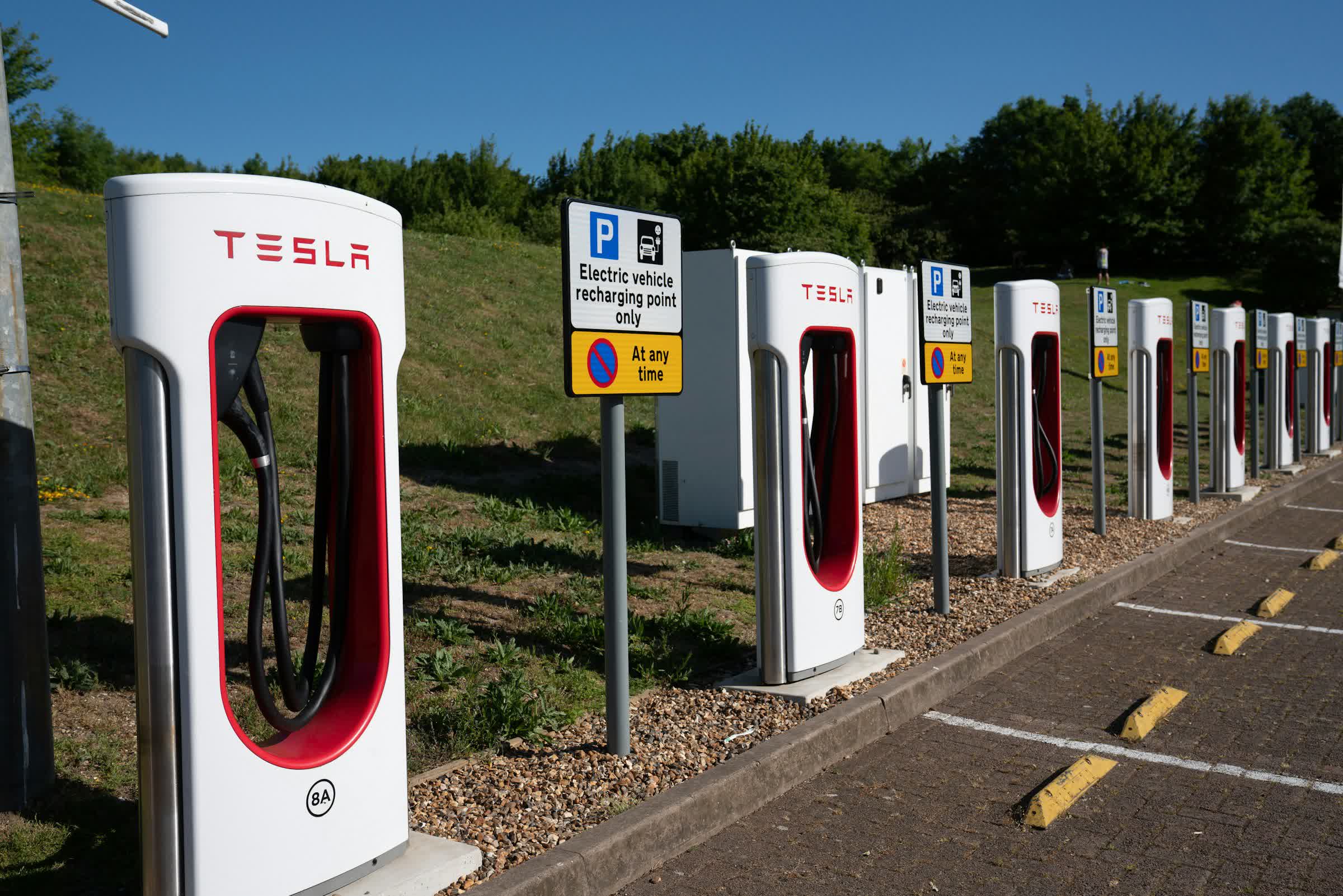
Tesla Chief Financial Officer Vaibhav Taneja stated that the recent rise in oil prices is a major reason for the demand rebound. The outbreak of the Iran war disrupted traffic through the Strait of Hormuz, disrupting global crude oil transportation and pushing up fuel prices. The current national average gasoline price in the United States has exceeded $4 per gallon, the highest level since Russia's invasion of Ukraine in 2022, and experts estimate that even if the strait fully resumes traffic, it may take months for oil prices to return to more normal levels.
High oil prices have not only stimulated the new car market but also boosted activity in the used electric vehicle market. Earlier this month, data showed that more and more consumers are turning to used electric vehicles to avoid frequent, high-cost refueling expenses. The supply in the used car market is partly from a large number of early lease expirations. These leased vehicles that entered the market in the early 2020s are now gradually returning, providing consumers with more choices.
In terms of financial performance, Tesla’s earnings per share for the first quarter were $0.41, higher than the general Wall Street expectation of $0.37. Revenue reached $22.39 billion, slightly lower than the market’s approximately $22.6 billion forecast, but the company still recorded $1.44 billion in positive free cash flow, exceeding some analysts’ previously cautious estimates.
However, this does not mean that Tesla, under the leadership of Musk, has completely overcome its challenges. The company disclosed earlier this month that global deliveries in the first quarter were 358,023 vehicles, which, although increased year-on-year, still fell short of analysts’ expectations. Production exceeded 408,000 vehicles during the same period, and the production-sales gap means that inventory has accumulated, also reflecting that market demand has not yet fully recovered to the level the company expected.
Investors are also closely watching the direction of Tesla’s future capital expenditures. Market sentiment was briefly boosted after the earnings report was released, but some optimism waned when the company stated that it expects capital expenditures to exceed $25 billion this year, significantly higher than the previously given $20 billion expectation. More critically, a considerable portion of the additional investment will flow into artificial intelligence, robotics, and unmanned “self-driving taxi” projects, rather than traditional vehicle businesses, which has raised concerns among some investors about the company’s shift in focus and short-term returns.