Microsoft Launches Voluntary Separation Buyout Plan for the First Time, Covering Up to 7% of US Employees
Against the backdrop of the AI boom reshaping the tech industry, the 51-year-old software giant is launching a voluntary separation buyout program for some of its US employees for the first time. A source revealed that approximately 7% of US employees are eligible to apply, a figure that has not been publicly released.
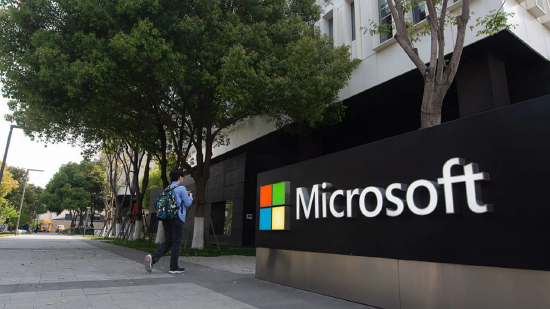
April 8, 2025, Shanghai, China, exterior view of Microsoft headquarters.
Microsoft announced this one-time retirement plan in an internal memo on Thursday, applicable to US employees at the level of Senior Director and below, with a combined age + years of service ≥ 70.
Eligible employees and their direct managers will receive complete details of the plan on May 7th. Individuals participating in sales incentive plans are not eligible to apply for this voluntary separation program.
To support generative AI computing power needs and serve cloud customers, Microsoft continues to increase capital expenditure on data centers, with peer tech companies such as Google and Amazon also increasing investment in sync.
At the same time, software sector stock prices are under significant pressure, and AI programming tools launched by companies such as Anthropic are impacting the original business structure of traditional established software vendors.
Last year, Microsoft already compressed operating costs through multiple rounds of layoffs. As of June 2025, Microsoft has a total of 228,000 employees worldwide, including 125,000 employees in the United States.
In the memo, Microsoft Executive Vice President and Chief People Officer Amy Coleman stated: “We hope that through this plan, eligible employees can independently choose the planning for the next stage of their careers, and we will provide them with generous company benefits support.”
In addition, Microsoft is adjusting the rules for annual employee stock award distribution:
Canceling the mandatory linkage mechanism between stock awards and cash bonuses, and no longer requiring managers to link the two.
Coleman said the new rules will give managers more flexibility to fully reward employees for their excellent work performance.
At the same time, Microsoft will also simplify the manager’s performance approval process, reducing the original 9 salary adjustment options for employees to 5, further improving management efficiency.