Japan's New National Child-Rearing Policy Launched: Single Netizens Say They're "Raising Other People's Children"
Starting in April of this year, Japan officially implemented a child and childcare support fund, jokingly referred to by many netizens as a "single tax." The topic has sparked heated debate on local social media platforms. This policy doesn't just collect money from single people; it requires all participants in Japan's public medical insurance to contribute, regardless of whether they have children or their age, with the cost deducted directly from their medical insurance.
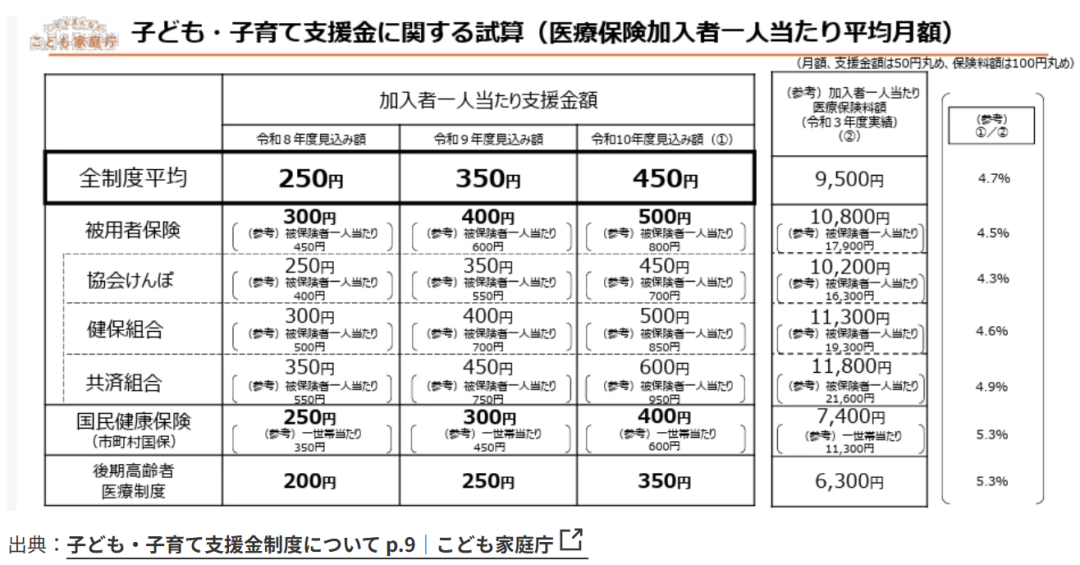
The fee standard will increase annually. In 2026, the average contribution will be approximately 250 yen per person per month, equivalent to about 12 yuan. By 2028, it will increase to 450 yen per month. Higher earners will pay more, with employed individuals and their companies each bearing half of the cost.
The collected funds will primarily be used for childcare subsidies. Children under 3 years old can receive approximately 15,000 yen (640 yuan) per month, and those aged 3 to high school can receive approximately 10,000 yen (420 yuan) per month. Subsidies will also be provided for childbirth expenses, childcare services, and parental leave allowances. A child can receive a total of approximately 150,000 yuan in support from birth to high school.
Many single and childless individuals are particularly dissatisfied, feeling that they are being asked to pay to raise other people's children despite not having any of their own, leading to constant complaints online. Some say that they are already under a lot of financial pressure and feel uncomfortable having to pay extra.
However, others believe that the children being subsidized now will become the main contributors to pension funds in the future, representing mutual assistance across society.