U.S. State Department Instructs Global Embassies to Issue Warnings About Chinese AI "Espionage," DeepSeek Again in Focus
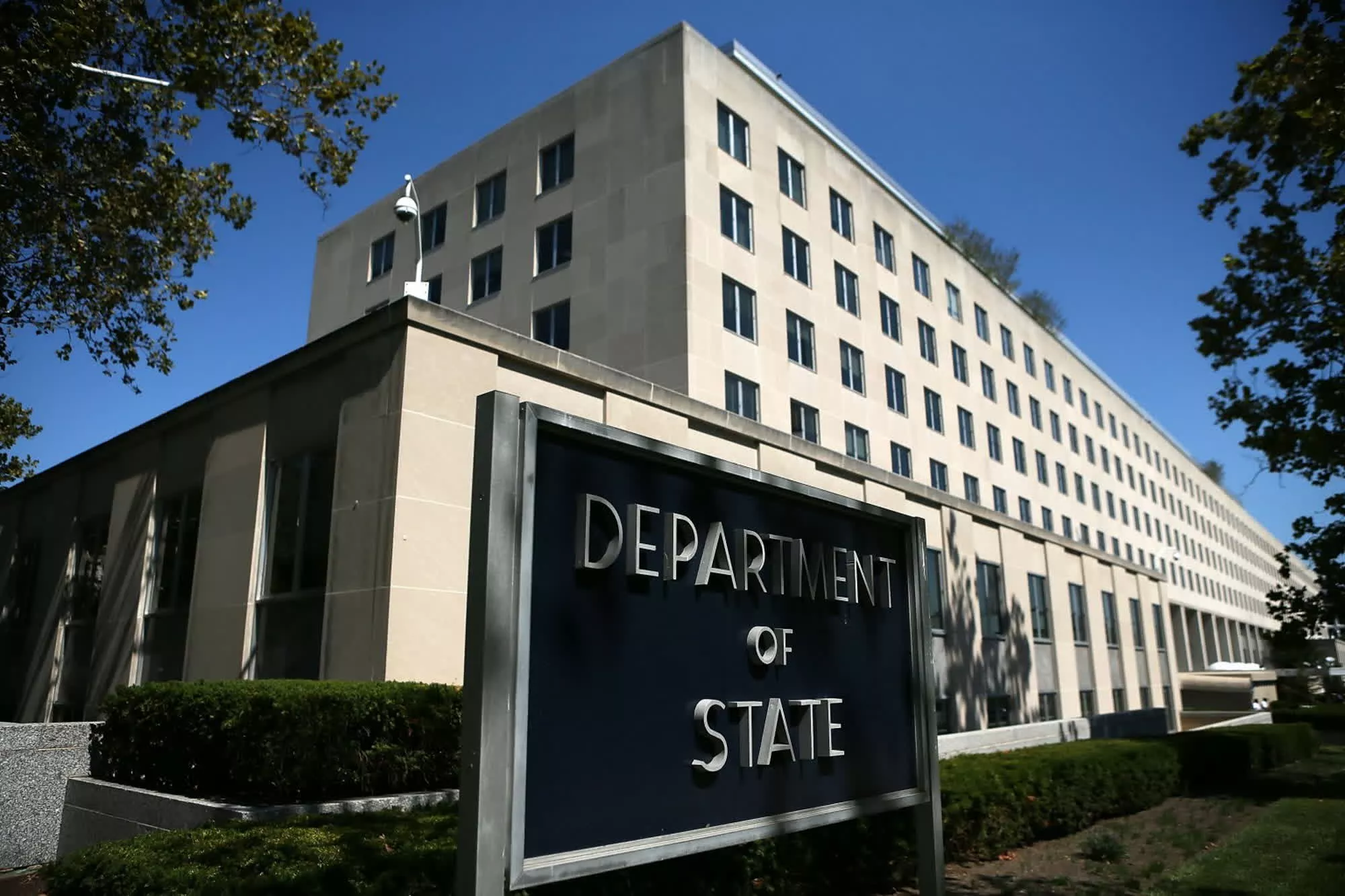
Reuters reported on April 24th that the U.S. State Department has instructed its embassies worldwide to launch a coordinated effort, focusing on warning governments and businesses about the risks of Chinese companies allegedly acquiring U.S. artificial intelligence technology and intellectual property. Chinese AI startup DeepSeek has been specifically named as a subject of these warnings. This initiative stems from a diplomatic cable reviewed by Reuters, revealing the U.S. is attempting to strengthen diplomatic pressure globally regarding alleged Chinese AI "technology acquisition activities."
The report states that this action follows recent, continuous expressions of concern from U.S. AI companies to Washington, alleging that some Chinese companies are attempting to replicate the model capabilities of leading U.S. AI companies and use the results for their own training and commercial advancement. Reuters previously reported in February that OpenAI warned U.S. lawmakers that Chinese AI startup DeepSeek was targeting ChatGPT’s developers and other leading U.S. AI companies, intending to replicate their models and use them in reverse for its own system training.
According to the report, this memorandum and subsequent diplomatic cables were issued just weeks before U.S. President Donald Trump plans to visit Beijing and meet with Chinese President Xi Jinping. Reuters points out that this move is likely to further escalate the already years-long technology competition and security friction between the two countries, which had previously cooled somewhat due to an arrangement reached in October of last year.
Controversy surrounding DeepSeek is not new. Earlier reports by Reuters mentioned that the Trump administration considered restricting DeepSeek’s use on U.S. government devices due to national security concerns, focusing on how user data is processed and the possibility of related information being stored on Chinese servers. Furthermore, Reuters reported in January that multiple governments and regulators had begun to strengthen their scrutiny of DeepSeek’s security and privacy policies, partly due to its privacy statement indicating that large amounts of personal information and user-AI system interaction data would be stored on servers within China.
Meanwhile, DeepSeek continues to advance product updates. Reuters reported on April 24th that the Chinese company, which gained global attention last year for its low-cost AI models, launched a new model optimized for Huawei’s chip ecosystem on the same day, demonstrating its acceleration of deployment within China’s native computing ecosystem. Against the backdrop of the U.S. strengthening chip export restrictions and continuously monitoring Chinese companies’ acquisition of advanced AI hardware and model capabilities, DeepSeek’s technological path and international expansion are becoming increasingly sensitive.
As of now, public reports do not indicate that the U.S. State Department’s “global warning” initiative has resulted in new formal sanctions, but the diplomatic actions indicate that Washington is attempting to further internationalize its accusations against Chinese AI companies regarding security, intellectual property, and technological competition. For both China and the U.S., artificial intelligence is no longer just an industrial competition issue, but is increasingly evolving into an important front in diplomatic, security, and geopolitical games.