Samsung Increasingly Worried About Potential First Annual Loss in Mobile Business Amid Memory Crisis
Reported on April 22nd, as AI-related demand continues to consume global RAM capacity, the smartphone industry is facing pressure from rapidly rising costs, and Samsung's concerns are deepening, even to the point of being wary of a historically first annual loss in its mobile business division.
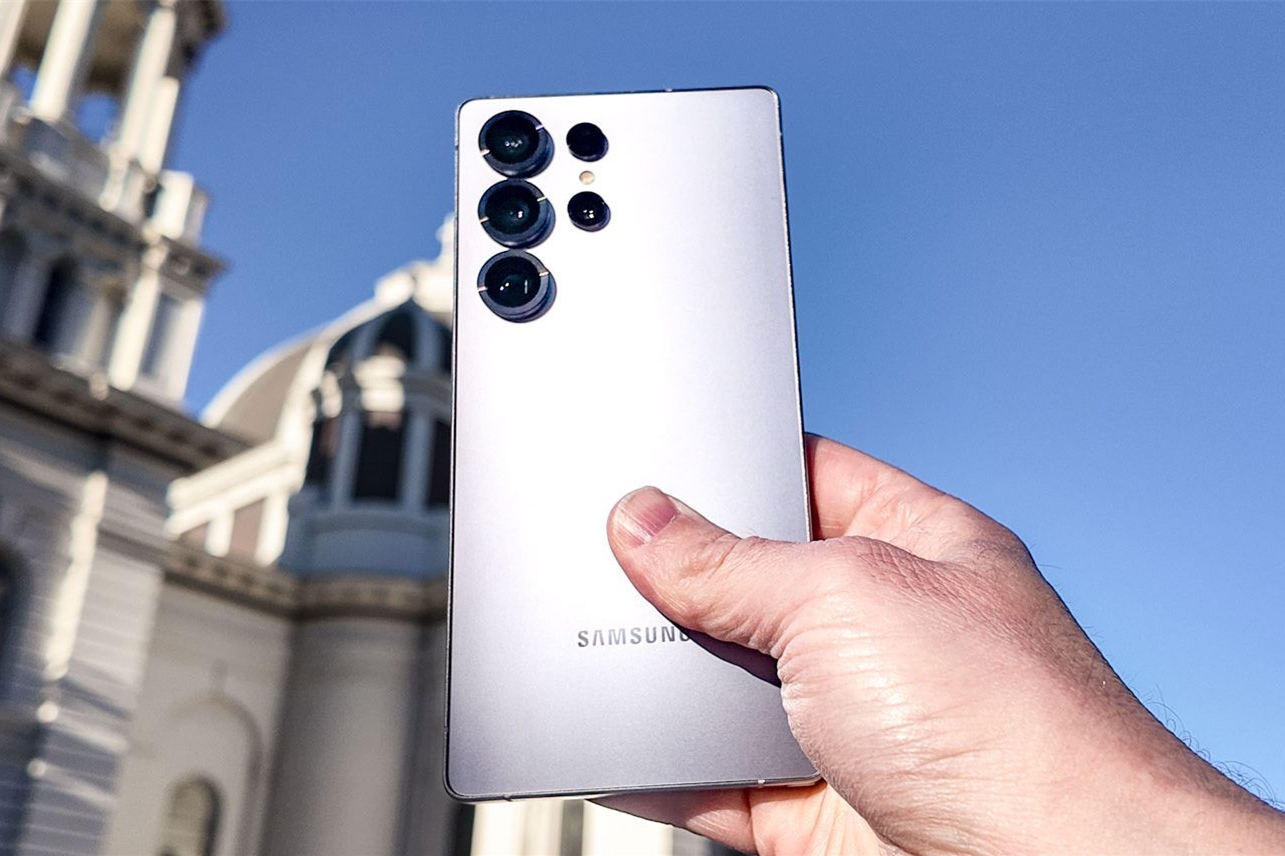
The report points out that Samsung's mobile business division has long maintained profitability, so a loss would be seen as a major turning point in the company's operations. As early as March of this year, there were reports that Samsung had initiated some cost-cutting measures within its mobile business division because the company was already concerned that the division might record its first operating loss.
The latest report from South Korea suggests that this risk now appears to be evolving from external speculation into a more realistic internal alert. The news states that TM Roh, head of Samsung's mobile business, has expressed concern about the "possibility of a deficit for the MX business division for the entire year." The report believes that previous talk of Samsung's mobile business potentially turning a loss came more from market speculation and external analysis, but now that even senior core executives of the company are openly expressing concern, it shows that the situation is quite serious.
From an industry perspective, the continued rise in RAM and memory prices is comprehensively driving up the manufacturing costs of new smartphones, causing turmoil in the entire smartphone market. In particular, Android phones focusing on low prices have been more significantly impacted, and the related price increase trend has even been described as "inevitable."
In fact, cases of rising end-user prices have already begun to appear in the market. The report states that some brands, including Motorola, have raised the prices of their products, and Samsung itself has also seen price increases, further demonstrating that upstream storage cost pressures are gradually being passed on to the terminal market.
Overall, against the backdrop of continued AI demand squeezing memory supply and high costs of key smartphone components, the profit pressure on Samsung's mobile business is clearly increasing. If this trend cannot be alleviated in the short term, whether Samsung's mobile business can maintain its consistent profit record is becoming the focus of market attention.