Intel Cancels Third-Generation Gaming Graphics Cards, Fourth-Generation Remains Uncertain
The disappearance of the Arc B770 may just be the beginning! When Intel announced its entry into gaming graphics cards, the entire industry was excited, hoping it would become a dynamic force. But reality is harsh: profit margins are too thin, market share isn't increasing, and AI has stolen all the attention.
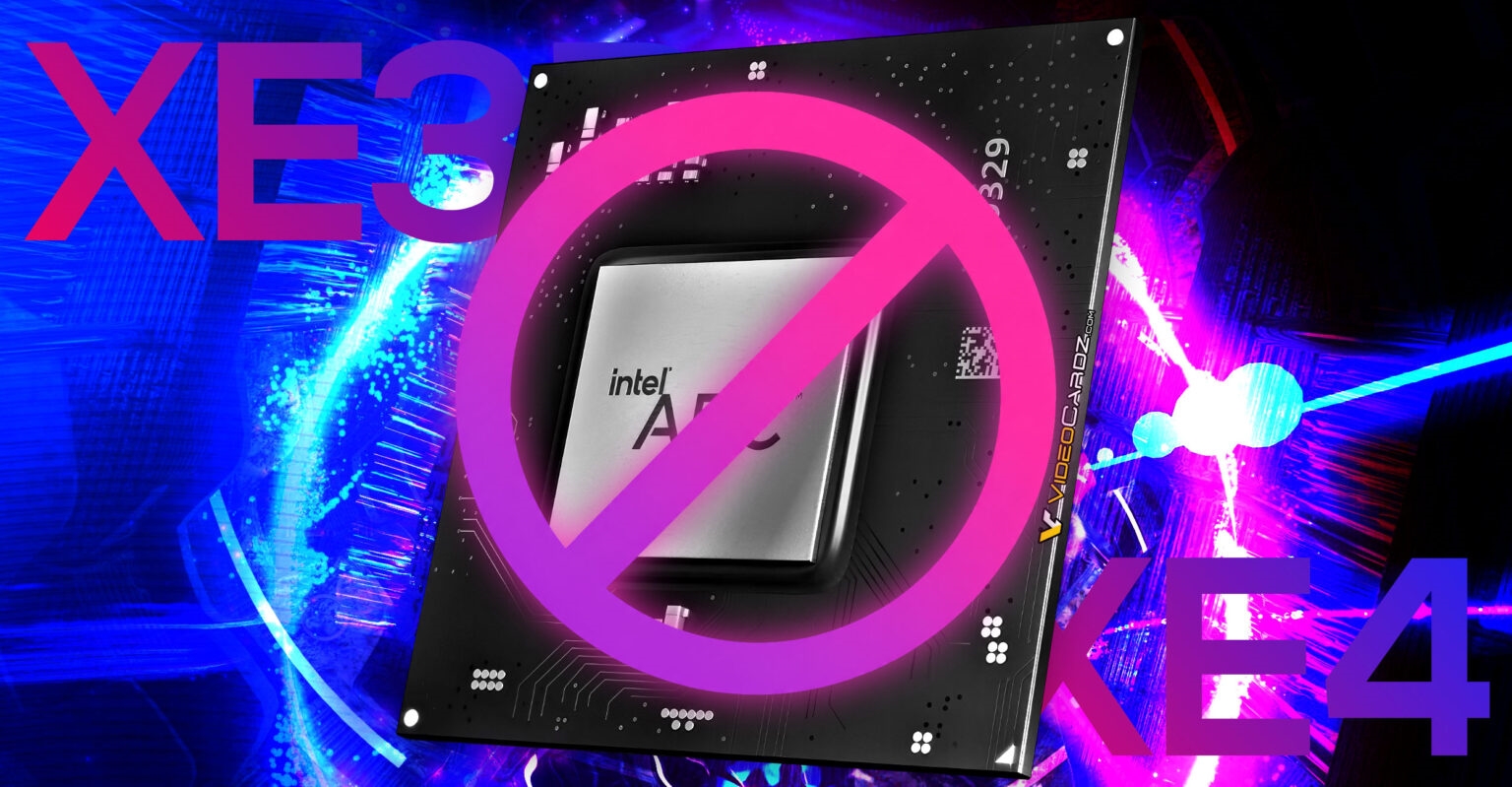
Intel has recently been busy developing the Arc Pro B series professional graphics cards. The highly anticipated second-generation high-end gaming card, the Arc B770, has been put on hold.
Insiders at Intel say that gaming graphics cards haven't been completely abandoned, just deprioritized. However, the latest reports claim that the Xe3P architecture gaming graphics cards have been canceled, a decision made a year or two ago. They will ultimately be used for workstation and data center professional cards, exclusively for AI inference.
This is the previously announced Crescent Island, as well as the workstation version, Crescent Island Workstation.
Its most notable feature is its 160GB of LPDDR5X memory, and samples are expected to be sent to customers in the second half of the year.
As for whether the fourth-generation Xe4 architecture will have gaming graphics cards, it remains uncertain. AI accelerator cards are expected to be Jaguar Shores.
According to Intel's original plan, the four generations of GPU architectures were codenamed Alchemist, Battlemage, Celestial, and Druid, corresponding to Xe, Xe2, Xe3, and Xe4 respectively.
However, the actual evolution has been somewhat chaotic. The Xe3 of the Arc B300 series new integrated graphics in the Core Ultra 300 series is just a minor revision. The subsequent Xe3P is the truly new architecture.
The latest reports say that Xe4 will also have multiple names, including multiple generations of architecture, and it's not even certain if it will be Xe5 in the future.
Perhaps, only when the AI boom truly cools down will things return to normal, and Intel will reconsider gaming cards, and memory and storage will become affordable again.