Yoshida Shuhei Believes Indie Games Are the Future, Couldn't Finish "Souls of Tsushima"
PlayStation veteran Yoshida Shuhei estimates he plays at least 250 games a year. He finds value in witnessing the evolution of diverse projects, but notes the difficulty of dedicating time to AAA titles, stating he "no longer plays AAA games because they take too much time."
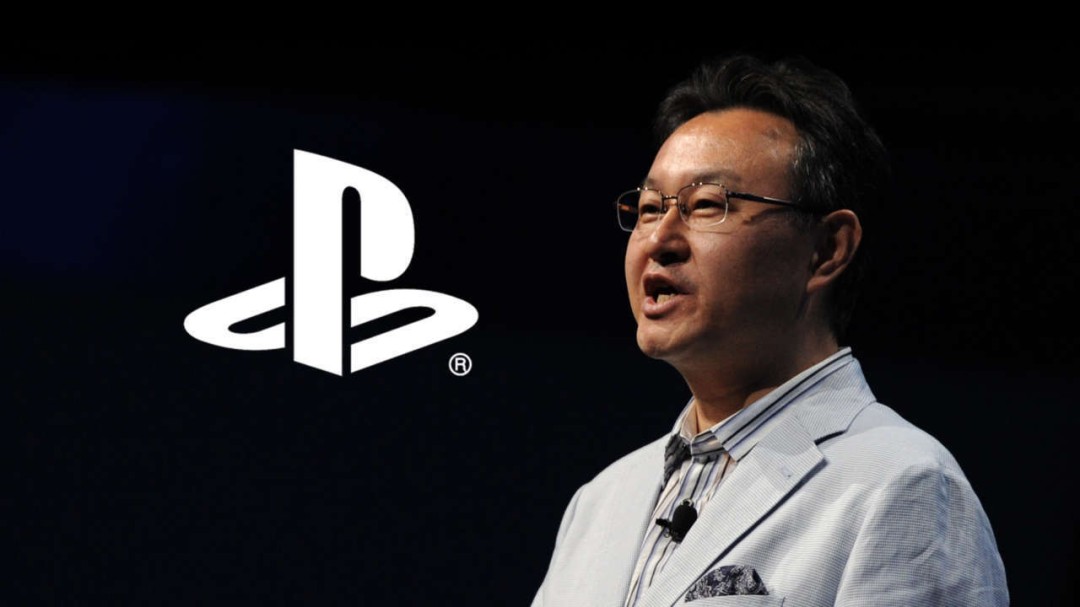
Indie Games vs. AAA Titles
The last AAA game Yoshida played was "Souls of Tsushima," following his experience with "Ghost of Tsushima," but he didn't finish it. He then started playing "Nioh 3" because he enjoyed "Nioh" 1 and 2, but simply couldn't find the time.
Despite occasionally dedicating significant time to AAA games, Yoshida firmly believes indie games are superior due to their stronger creative drive.
“In indie games, you can feel the developer’s vision because they don’t need layers of approval. I used to work at a large company like PlayStation, and while we allowed developers and studios to pitch ideas, there were just too many people involved in the decision-making process.
“It’s hard to say who the true creator of a AAA game is, perhaps Hideo Kojima is an exception, or Hidetaka Miyazaki—when you play their games, you can feel that it’s their vision. But most AAA titles are the product of team will, not individual vision.”
Large budgets also mean games must cater to mainstream tastes, often at the expense of individuality.
“We make games, polish games, but they ultimately become somewhat formulaic. Publishers are often conservative. When choosing a game’s genre or theme, the marketing team will say, ‘This hasn’t worked before, the audience is too small.’”
Yoshida believes indie game developers simply want to realize their vision.
“They are passionate about a specific theme, even if no one is interested at the time, but in 3 years, that could become the latest, most exciting trend.” In this way, Yoshida believes indie developers can lead the entire industry. “AAA studios are loyal fans of many of these game designers and draw inspiration from indie games. Therefore, indie games play a crucial role in maintaining innovation throughout the industry.”
During his time at PlayStation, Yoshida encountered many cases where creative potential was stifled due to a focus on “playing it safe.” One case he remembers vividly is the rhythm games "Frequency" and "Amplitude" developed by Harmonix, who later created the famous "Guitar Hero" series.
“I loved that game at the time. The core gameplay was formed, but the game’s appearance was a bit rough and sales were poor. But I felt there was a lot of potential and wanted to continue working with Harmonix. Although ‘Frequency’ didn’t sell well, the marketing department allowed us to make ‘Amplitude,’ but after ‘Amplitude’ failed again, I was forbidden from continuing down that path. And just a few projects later, Harmonix achieved great success with ‘Guitar Hero.’”
The Past, Present, and Future of Games
Since joining Sony in 1986, Yoshida Shuhei has witnessed several major shifts in the gaming industry, and he believes the most impactful has been the popularization of digital distribution, especially for indie developers. “Before that, there were only physical products, whether discs or cartridges, and it usually required a financially strong publisher to publish them.”
With the rise of online stores like Steam and PlayStation Network, any developer can become a publisher. “This democratization of game development and publishing, I think, has had the most profound impact on the video game industry.”
When asked about the gradual phasing out of physical media, he remains optimistic.
“Of course, more and more people are buying digital versions, but there are still people who like to collect beautifully packaged physical goods, and developers are excited for their games to be put in physical boxes.
I’ve heard that the production of physical games has been declining, but the actual number of games released in physical form is increasing. There are more game types, and there are more independent publishers specializing in small-batch releases, so people can see many different kinds of collector’s editions or special editions.”
Yoshida predicts that due to the democratization of development and creation tools like "Roblox" or "Fortnite" lowering the barrier to entry, the total number of game releases will continue to grow. “This means the number of games released will continue to increase, and in my opinion, as the volume increases, the top quality will also continue to improve, which is a good thing.”
However, the surge in quantity also presents challenges for indie developers.
“Because there are so many games being produced, it’s becoming more difficult to get games noticed. This is already a huge challenge for small projects, and it will become even more difficult in the future. Therefore, Yoshida predicts that the role of independent publishers like Kepler or Fictions will become increasingly important.
Kepler has successfully launched several well-received indie hits.
Regarding how future indie projects can stand out, Yoshida points to community as the greatest asset.
“Those indie game developers who have been successful before are more likely to find an audience because they already have a certain fan base, and developers are usually able to establish direct contact with fans. I think it’s crucial for any indie game developer to think about their target audience and have channels to communicate with them, thereby creating and developing a community and fan base.”
“The community will become your game’s advocate and will also be your early testers for your (future) games. When your game is successful, they will feel like they are part of that success, so they will be more enthusiastic about supporting you—having strong community support awareness is very, very important.”