Middle East Conflict Impacts Circuit Board Supply Chain: AI Boom Combined with Raw Material Shortages Further Pressures Tech Companies' Costs
Reuters reports that the Middle East conflict is disrupting the supply of key raw materials for the electronics industry and driving up prices for printed circuit boards (PCBs). PCBs are widely used in almost all electronic devices, including smartphones, computers, and AI servers, and this round of price increases further impacts electronic manufacturers already burdened by high storage chip costs.
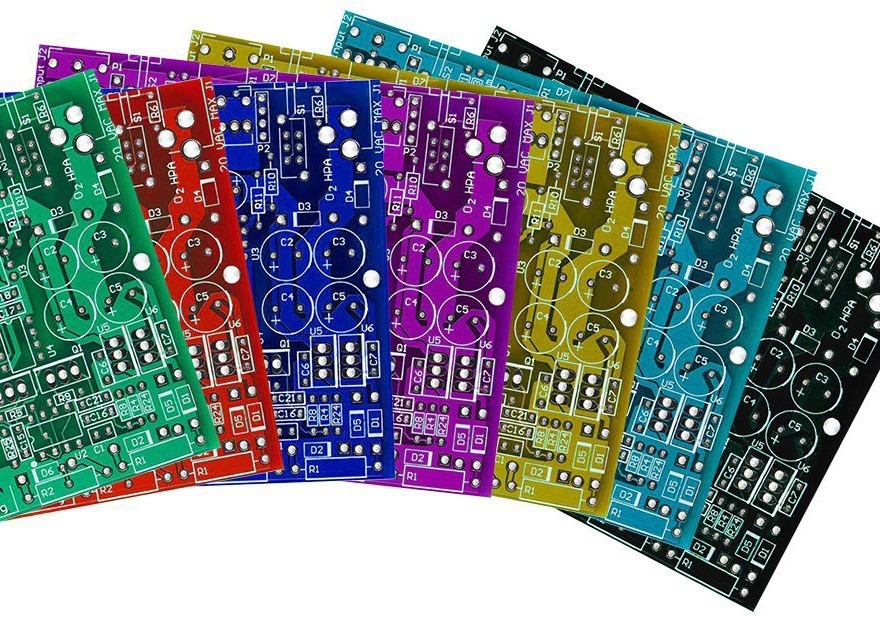
The report points out that Iran's attack on the Saudi Jubail Petrochemical Complex in early April led to the forced suspension of high-purity polyphenylene ether (PPE) resin production. This material is an important basic raw material for manufacturing PCB laminates. Sources say that approximately 70% of the global supply of high-purity PPE comes from Saudi Basic Industries Corporation (SABIC), and its related production capacity located in the Jubail Bay Shore Park has not yet been restored, leading to a significant tightening of this material globally. At the same time, the war has also severely disrupted shipping in and out of the Gulf region, further exacerbating supply pressures.
In fact, PCB prices have been rising since the second half of last year, mainly driven by the continued surge in demand for AI servers. As of March this year, the market procurement pace further accelerated as companies rushed to lock in raw material supplies in an attempt to hedge against the risk of soaring costs. Goldman Sachs analysts said in a recent report that PCB prices rose by as much as 40% in April compared to the highest level in March. They also stated that cloud service providers are willing to accept further price increases because they expect demand to continue to exceed supply in the coming years.
The latest report from industry research firm Prismark predicts that the global PCB industry will grow by 12.5% to $95.8 billion in 2026. Under the combined effect of expanding demand and constrained supply, the enterprise end has begun to pass on cost pressures to downstream.
A senior executive at South Korean PCB manufacturer Daeduck Electronics told Reuters that the company has begun discussing price increases with customers. The company's customers include Samsung Electronics, SK Hynix, and AMD. The executive, who requested anonymity due to the sensitivity of the issue, said that the focus of work has shifted from visiting customers to visiting suppliers, as the delivery cycle for chemical materials, including epoxy resin, has increased significantly from the previous 3 weeks to 15 weeks.
The report also said that the sharp rise in PCB prices is not only due to the shortage of PPE resin, but also the tight supply of other key materials such as fiberglass and copper foil. An industry insider said that the price of copper foil has risen by as much as 30% so far this year, and the increase further accelerated in March.
Shenhong Technology, a major Chinese PCB supplier and partner of NVIDIA, also issued a warning that the Middle East conflict could push up prices of key materials such as resin and copper. The company pointed out that copper accounts for approximately 60% of the total raw material cost of PCB manufacturing. According to data provided by Shenhong Technology, the current price of multilayer PCBs is approximately 1394 yuan per square meter, while high-end models for AI servers are approximately 13475 yuan per square meter.
The report believes that this supply chain shock triggered by the Middle East conflict is spreading from energy and plastics to the core links of electronic manufacturing. As the construction of AI infrastructure continues to heat up, raw material shortages and price increases may continue to push up production costs for technology companies in the future and exacerbate the tension in the global electronics industry chain.