Toyota Abandons Extreme Quality Control to Cut Costs, Outgoing President: If We Don't Change, We Won't Survive
The global automotive industry revolution sparked by electric vehicles has pushed Nissan to the brink of bankruptcy and caused Honda's market share to decline. Even Toyota, the world's best-selling automaker for many years, is facing unprecedented survival anxiety. Last month, Sato Koji, who recently stepped down as Toyota's president, delivered a significant speech at the Toyota Supplier Conference. Facing the heads of 484 suppliers, he made a startling statement: "If things don't change, we won't survive."
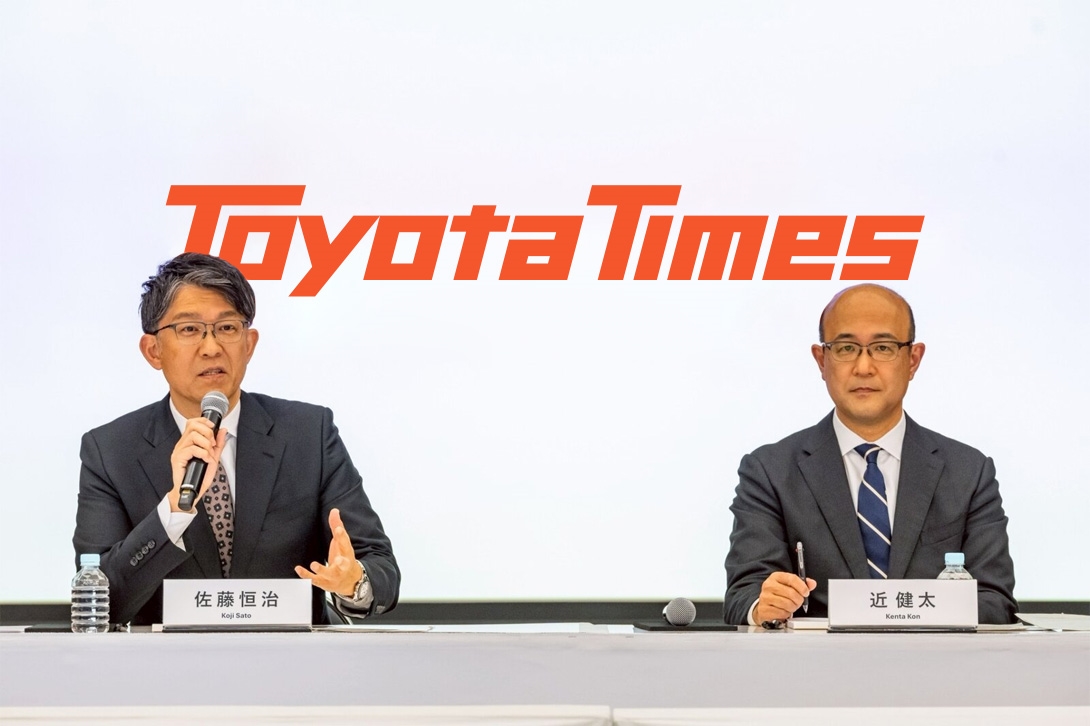
He also bluntly stated that the automotive industry is now fighting for survival. This remark put immense pressure on the supplier representatives present, and the conference was seen as Sato Koji's farewell speech, as well as Toyota's highest-level survival alert.
Behind this industry-shaking statement lies the fatal cost challenge that the electric vehicle wave poses to Toyota. The fuel vehicle supply chain system that Toyota has built over half a century has now become a heavy burden for its transformation.
It cannot easily abandon the supply chain of core fuel vehicle components such as transmission shafts and gearboxes, which is linked to the life and death of hundreds of suppliers. Meanwhile, Chinese automakers are able to quickly create powerful electric vehicles with extremely low manufacturing costs.
To reduce production costs, Toyota's first shift may be unsettling for car owners. Next, Toyota will relax its decades-long commitment to extreme quality control. Toyota will comprehensively promote the "Smart Standardization Activities" to avoid pushing up costs and causing raw material waste due to the excessive pursuit of craftsmanship.
Previously, Toyota would return plastic shells of wire connectors if they had black spots. Now, they are beginning to abandon this extreme quality control requirement.
It is worth noting that Toyota's parts quality control standards for suppliers were previously almost excessively strict. For example, if the surface material of the steering wheel had too many wrinkles, if there were barely visible black spots on the roof lining, or if the plastic shell of the wire connector had slight discoloration, even these details that consumers would not normally notice during daily use would be rejected by Toyota.
Some wire suppliers even revealed that they had to scrap tens of thousands of new sets of wires each month solely due to the requirement of plastic shell discoloration. Toyota Purchasing Manager Nishihara Shoji admitted that ordinary consumers would not notice these parts details, and relaxing the requirements could effectively reduce production costs.
On April 1, 2026, Chikako Kento officially took over as President and CEO of Toyota Motor Corporation, succeeding former President Sato Koji. He has repeatedly stated publicly in the early days of his tenure that Toyota's current business environment is "not safe or comfortable" and emphasized that the company is "not complacent."
Data shows that Toyota's sales and revenue have increased, but operating profit and net profit have decreased. This global automotive giant is responding to the survival test of the electrification era in the most radical way.