Woke Up to This: Netizens Spot a Robot Fishing
Netizens in Chengdu, Sichuan, encountered an amusing sight: initially thinking someone was fishing, they discovered it was a robot. This scene sparked jokes online, with people hoping robots could take over human jobs, allowing people to enjoy fishing, rather than robots enjoying life.
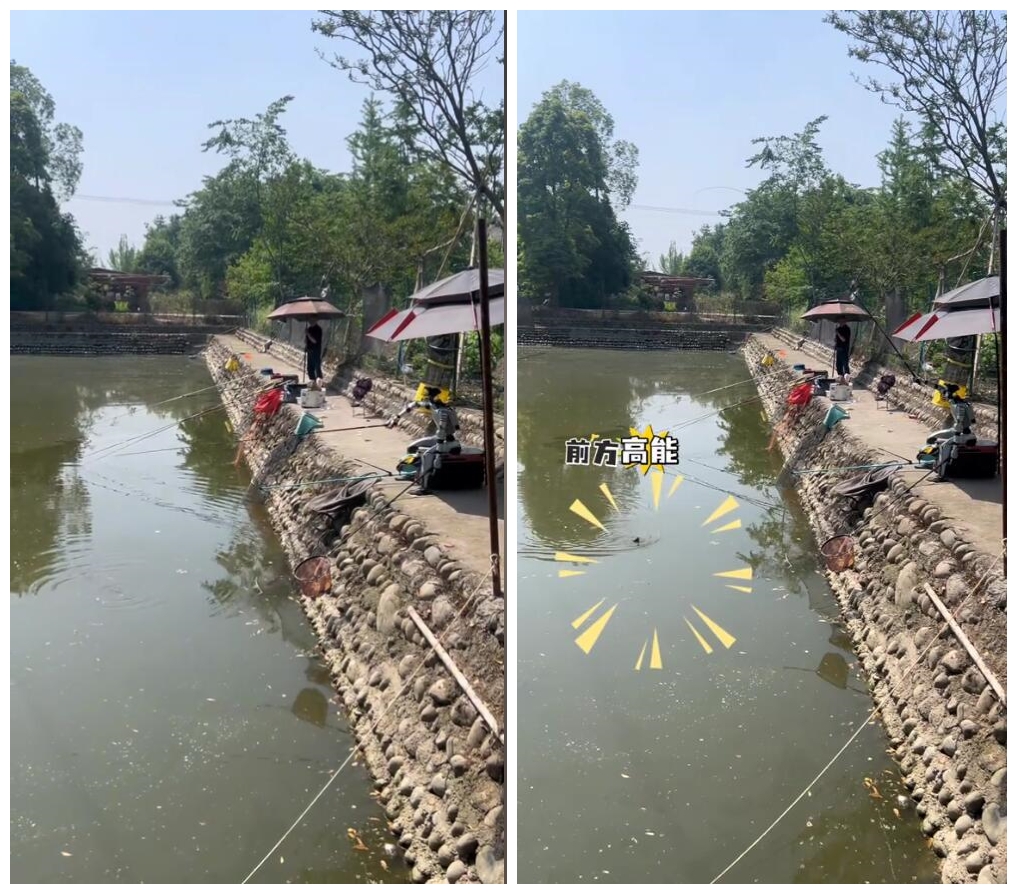
In recent years, with the rapid advancement of artificial intelligence and robotics technology, humanoid robots independently developed in China have frequently gained attention and become the focus of social concern. This groundbreaking technological progress is gradually bringing scenes that once existed only in science fiction movies into reality.
As a key focus of future industrial development, China's humanoid robots are accelerating their transition from laboratories to various industries. Driven by continuous technological breakthroughs and the mutual empowerment of scenario implementation, humanoid robots have become a new frontier for technological competition and a new driving force for high-quality economic development.
Relevant data shows that by 2025, the number of humanoid robot manufacturers in China will exceed 140. The shipment volume for that year is estimated at approximately 14,400 units, accounting for 84.7% of the global total, demonstrating China's strong manufacturing capabilities and market development potential.
In terms of market size, the Chinese humanoid robot market has reached 1.55 billion yuan, accounting for approximately 53.8% of the global market. Whether in terms of enterprise scale or actual output, China holds a crucial and leading position in the global robotics industry chain.
It is foreseeable that with the rapid evolution of technology, future robots will become more intelligent, flexible, and possess emotional attributes. They will integrate better and faster into people's daily lives, becoming valuable assistants in industrial production, elderly care, and public services.
The continuous expansion of robot application scenarios, from replacing strenuous physical labor to participating in leisure and entertainment, is essentially a reflection of the further release of human productivity. In the future, this new model of human-robot coexistence will create more possibilities for society and profoundly reshape our lifestyles and work patterns.