Samsung Galaxy Glasses Renderings Leaked: 50g Lightweight Body, Equipped with Snapdragon AR1
Samsung's highly anticipated augmented reality (AR) product, the Galaxy Glasses, has finally taken a clearer shape. The latest leaked early renderings show that the device clearly draws design cues from the Meta Ray-Ban smart glasses and Google Gemini Glasses, focusing on a lightweight eyewear form factor for everyday wear.
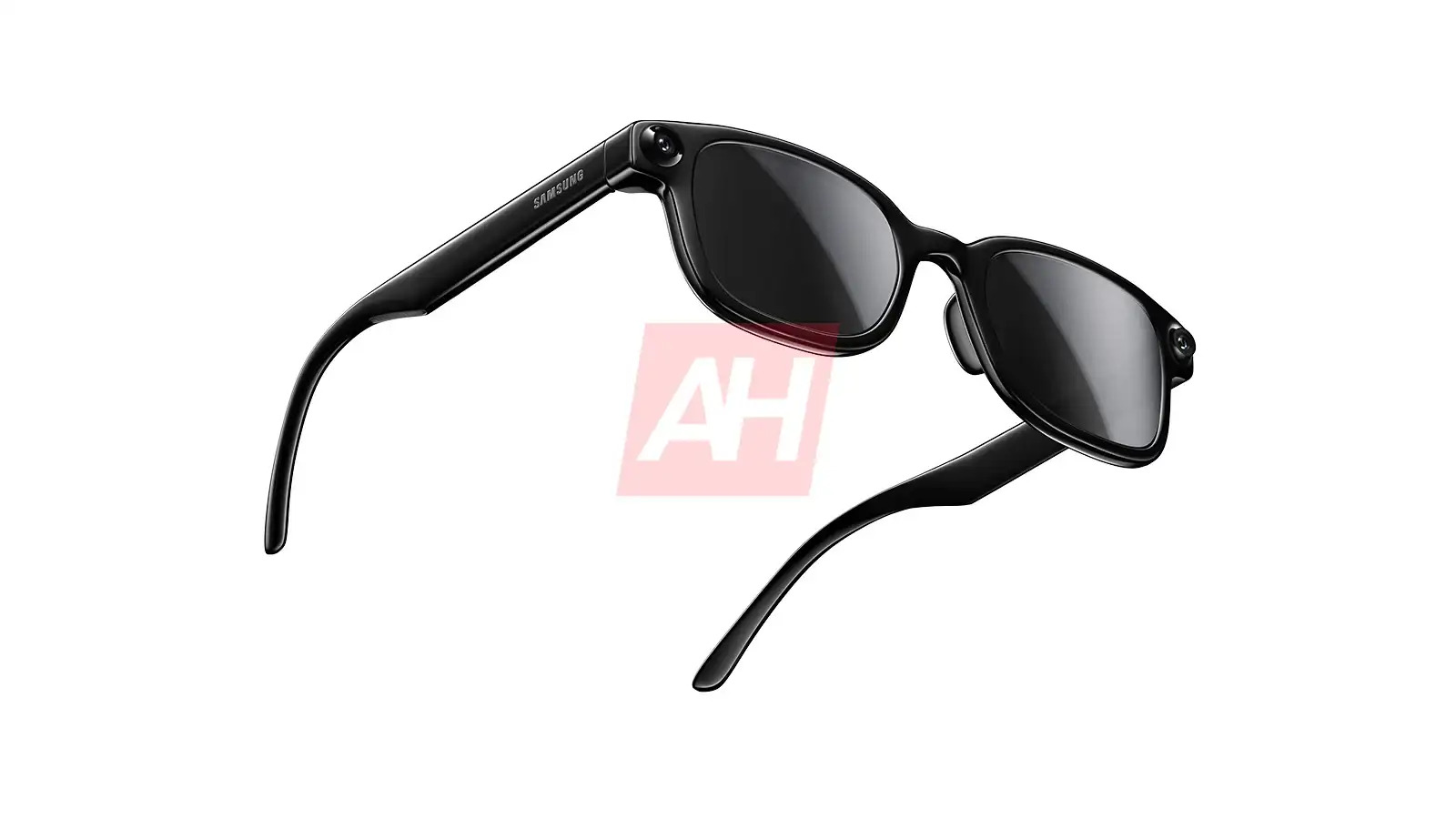
According to well-known leaker OnLeaks and Android Headlines, the currently leaked Galaxy Glasses belong to a version codenamed "Jinju," which will be based on the Android XR platform and deeply integrate Gemini AI capabilities. In terms of appearance, the glasses adopt a design similar to ordinary sunglasses, with a Samsung Logo on the temples and a camera integrated on each side.
The leak claims that this "Jinju" version will not feature a micro-LED display and is positioned more as a smart assistant and portable shooting device. At the same time, Samsung is also developing another version with a built-in micro-LED display, internally codenamed "Haean." The product strategies for both are largely consistent with previous leaks related to November 2025.
Regarding launch timing and pricing, the non-display version of the Galaxy Glasses is expected to be released first within 2026, with a price range of approximately $379 to $499. The high-end version equipped with micro-LED is expected to debut in 2027, potentially priced between $600 and $900, further targeting high-end AR scenarios.
It is worth mentioning that Samsung publicly stated at the end of last year that it is collaborating with Warby Parker and Gentle Monster to create a variety of more stylish frames for the Galaxy Glasses, enhancing the product's appeal in terms of fashion and everyday wear.
In terms of configuration, the Galaxy Glasses launching first in 2026 will be equipped with a Qualcomm Snapdragon AR1 processor, a 155mAh battery, and will weigh approximately 50 grams. The glasses will feature photochromic lenses (which automatically change transparency between indoor and outdoor environments), a 12-megapixel Sony IMX681 camera, and directional speakers, and may support bone conduction for a balance between privacy and environmental awareness. Connectivity will support WiFi and Bluetooth 5.3 for data and audio interaction with mobile phones and other terminals.
In terms of functional experience, with Gemini AI's voice interaction capabilities, the Galaxy Glasses are expected to achieve practical functions such as real-time translation of signs or labels, photo recording, weather inquiries, and navigation via Google Maps. Users can complete primary operations through voice commands, minimizing reliance on mobile phone screens.
From the current leaks, Samsung Galaxy Glasses will become Samsung's second major product on the Android XR platform after the Galaxy XR headset. Samsung is attempting to build a complete product lineup in the rapidly heating smart glasses and XR market by first launching a lightweight, display-less version focused on AI assistants and shooting, and then launching a high-end model with a micro-LED display in 2027.