Prehistoric Craftsmanship for Circuit Boards: Hand-Rubbed PCBs with Soil and Wood Fire - Complete Tutorial Now Open Source
FeministHacking has released an open-source project demonstrating the creation of functional PCB printed circuit boards using natural clay, drawing on prehistoric pottery techniques. The entire process, from soil collection and shaping to wood-fired baking, is completed by hand.
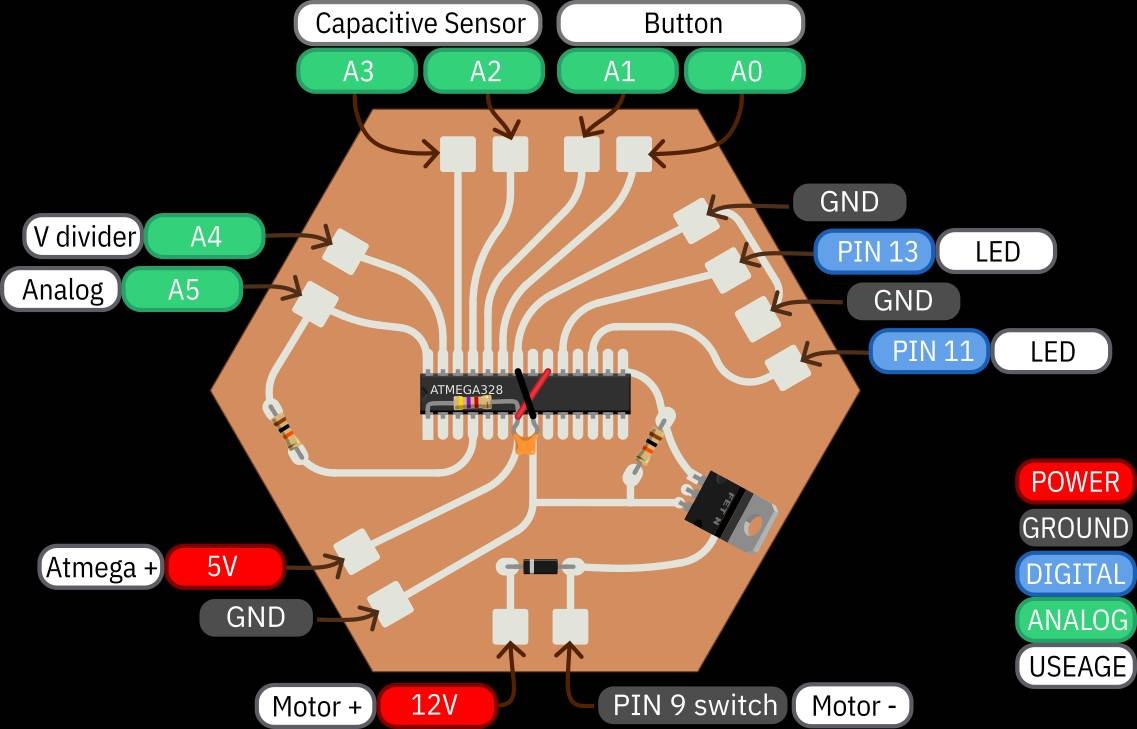
The project stemmed from the team's reflection on conflict minerals in smart device hardware. They noted that ceramics are already an important material in electronic components such as capacitors, piezoelectric elements, and resistors, so they attempted to use clay as a substitute for traditional PCB substrates.
Unlike commercial porcelain clay and high-temperature kilns, the team learned prehistoric techniques for open-air wood-fired clay baking from a pottery artisan, mastering the process from local soil collection to firing and shaping in two days of practice.
The manufacturing process is roughly divided into several steps: collecting and mixing natural clay, removing bubbles and impurities, and then pressing it into a mud sheet approximately 10x10 centimeters; using a 3D-printed mold to press circuit trace grooves into the mud sheet, with a groove depth of about 1.5 millimeters; naturally drying for one day, then manually filling the traces with silver-based conductive paint.
The silver paint used by the team is produced by a German company, with raw materials sourced from waste silver powder recycled from jewelers, ensuring a traceable supply chain. The coating is thickened at nodes requiring soldering.
The firing stage presented the biggest technical challenge. The clay shrinks approximately 5% during firing, and the team calibrated the mold size and groove depth through multiple trials to ensure the finished trace accuracy met soldering requirements.
The project is now fully open source, with detailed manufacturing guides and PDF documents available on the blog. The GitHub page includes program code, soldering instructions, and 3D printing files.