Google Translate Launches Spoken Language Correction Feature, First Available in the US and India
Google recently added a new AI-powered spoken language practice feature to its translation service, helping users correct pronunciation and improve their speaking skills when learning a foreign language. This tool, called "Pronunciation Practice," analyzes user speech and provides real-time improvement suggestions, allowing learners to practice specifically within the app before engaging in real conversations.
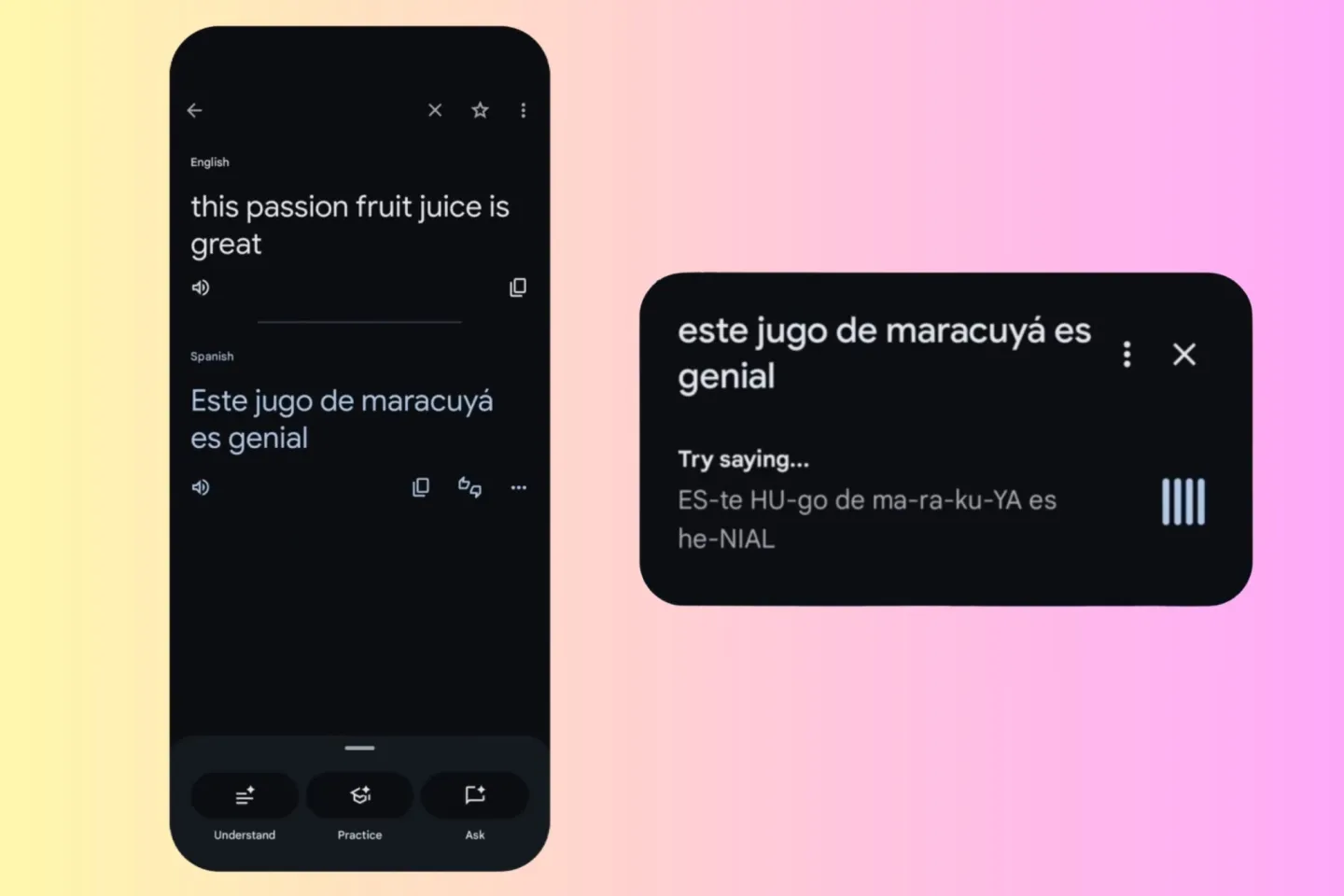
The function meticulously breaks down the user's pronunciation and presents it in a phonetic-like notation, helping learners more intuitively understand the correct pronunciation and "giving you a real chance to get it right." This design is considered to have some similarities in experience with the pronunciation practice module in the language learning app Duolingo, both emphasizing reinforcing spoken language training through instant feedback.
Currently, Google Translate's pronunciation practice feature has been launched first on the Android user side in the United States and India, supporting English, Spanish, and Hindi. Google has not announced when the feature will be expanded to more regions, nor has it stated whether or when it will land on the iOS platform.
This update is also part of Google Translate's 20th-anniversary celebration series. Google stated that "Pronunciation Practice" is one of the most requested features from users, and the company hopes to use next-generation AI technology to make translation tools not only "understand text" but also truly help users "speak more authentically." Official data shows that more than 1 billion users use Google Translate every month, and Google processes approximately 1 trillion translated words each month through products such as Translate, Search, Lens, and Circle to Search.
With the continuous development of generative AI and speech recognition technology, more and more language learning and translation applications are beginning to incorporate "pronunciation correction" and "spoken language practice" into core functions. Analysts believe that Google's addition of pronunciation practice to its translation products will not only help further consolidate its leading position in the multilingual tool field but also heralds that the traditional "look-up and compare" translation experience is accelerating towards a more spoken and realistic communication scenario.