Wild Boars in Fukushima Prefecture, Japan Found with Elevated Levels of Radioactive Cesium, Originating from the 2011 Fukushima Nuclear Accident
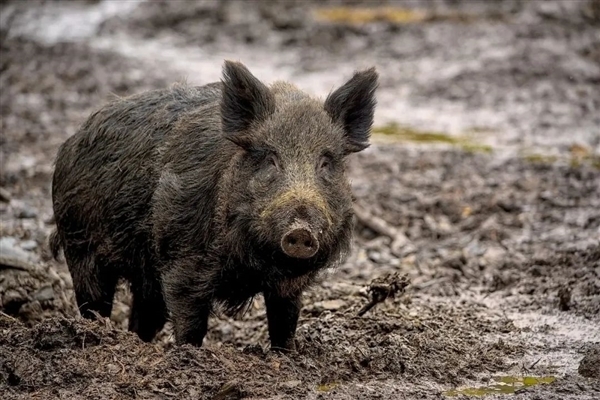
The Chinese Consulate-General in Niigata, citing a report from the Fukushima Minpo on April 28th, reports that three wild boars caught in Nihonmatsu City and Sukagawa City, Fukushima Prefecture, have been found to contain levels of radioactive cesium exceeding the standard. The radioactive cesium content in all three wild boars exceeded the Japanese food standard limit of 100Bq/kg, but the specific values have not been released.
On March 11, 2011, a severe nuclear leak occurred at the Fukushima Daiichi Nuclear Power Plant, releasing large amounts of radioactive materials (including cesium-137, cesium-134, etc.) into the atmosphere and water.
Radioactive cesium spread through atmospheric deposition and water flow, remaining in the soil of Fukushima Prefecture for a long time. The half-life of cesium-137 is approximately 30 years, meaning it will take centuries for it to significantly decay.
Wild boars consume organisms such as mushrooms, earthworms, and underground tubers, which actively absorb and accumulate cesium from the soil, leading to the accumulation of radioactive materials through the food chain.
The wild boar's omnivorous diet and relatively long lifespan (up to 10 years) make it an ideal "storage container" for radioactive cesium, resulting in continuously increasing and slowly decreasing levels of radioactivity within their bodies.
In addition to wild boars, bears, deer, birds, and other wildlife have also been found to have elevated levels of radioactivity, forming a "radioactive food chain." The contamination is distributed in patches, with significant differences in soil radioactivity levels between different areas, leading to varying degrees of contamination in wildlife.