U.S. Commerce Department Orders Halt to Supplies to China's Second-Largest Chipmaker, HuaHong Semiconductor
According to Reuters Finance Early Report, the U.S. Commerce Department has recently tightened chip controls on China. The department sent letters to several U.S. chip equipment companies last week, requiring them to suspend the supply of equipment and related materials to two factories of HuaHong Semiconductor, China's second-largest chip manufacturer. This is the latest move by the U.S. to curb the development of China's advanced chip industry.
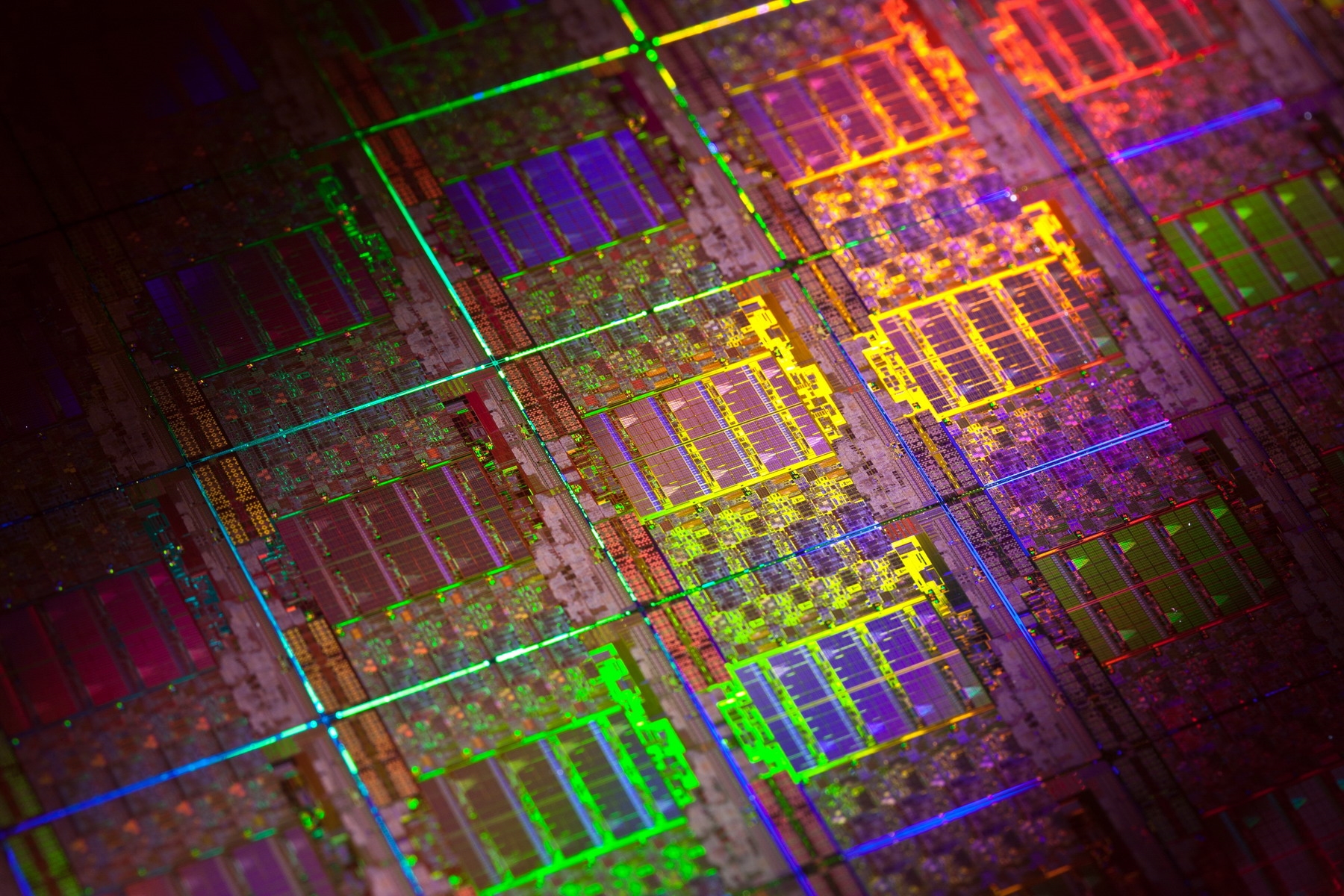
HuaHong Semiconductor is China's second-largest chip manufacturer, and in the foundry sector, its market position is second only to SMIC.
Sources said the department has sent letters to at least several companies, informing them of new restrictions on equipment and other materials shipped to HuaHong Semiconductor's two factories. U.S. officials believe these factories will produce China's most advanced chips.
Sources added that companies believed to have received the letters include major U.S. chip equipment manufacturers Applied Materials, Lam Research, and KLA. These companies all have significant business in the Chinese market.
In March of this year, it was reported that HuaHong Group had developed advanced chip manufacturing technology that could be used for AI chips.
Sources said at the time that HuaHong Group's foundry business, HuaLi Microelectronics, was preparing to launch a 7nm chip manufacturing process at its Shanghai factory. Currently, SMIC is the only domestic company capable of mass-producing 7nm process chips, and HuaHong's technological breakthrough is expected to break the existing pattern.
In recent years, the U.S. Commerce Department has restricted U.S. companies from exporting equipment to Chinese factories producing advanced chips, citing national security concerns, in order to maintain U.S. technological leadership in artificial intelligence and other advanced chip manufacturing fields.
This U.S. control uses a "knowledge letter" approach, which can quickly implement new licensing regulations for specific companies. The Trump administration frequently used these letters, but the restrictions contained in the letters may not necessarily become law.
A U.S. Commerce Department spokesperson declined to comment. HuaHong did not immediately respond to a request for comment. Lam, Applied Materials, and KLA also did not immediately respond to requests for comment.