U.S. Navy Tests JDAM-LR Long-Range Guidance Kit: Transforming "Iron Bombs" into Low-Cost Cruise Missiles
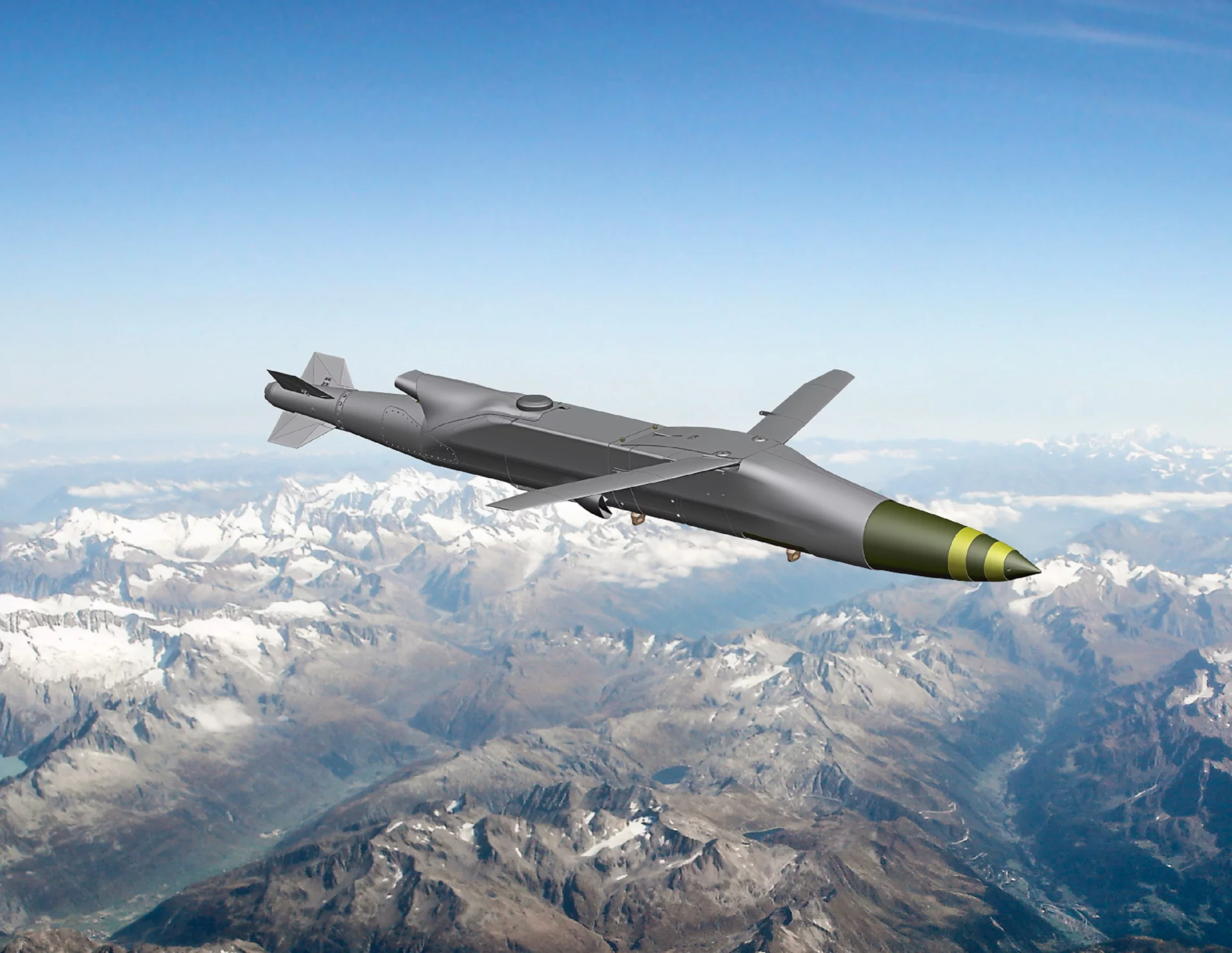
The U.S. Navy recently completed a flight test of the "Joint Direct Attack Munition – Long Range" (JDAM-LR). This new add-on kit can transform ordinary cast-iron unguided bombs into jet-propelled cruise missiles that can be launched from carrier-based aircraft, with a range exceeding 200 nautical miles (approximately 370 kilometers).
The concept of JDAM can be traced back to the Gulf War in 1991. At that time, then-Air Force Chief of Staff General Merrill McPeak was dissatisfied with the performance of the Air Force's precision-guided weapons on the battlefield and hoped for a "precision-guided munition that could be used in adverse weather conditions." Within a year, this idea evolved into the "Joint Direct Attack Munition" (JDAM) project, the core of which was to use a low-cost approach to add an external kit to existing Mk 80 series general-purpose bombs, turning inventory "iron bombs" into guided weapons with precision strike capabilities.
This approach proved to save a great deal of money. A single Mk 80 series bomb costs approximately $3,000 to $16,000, depending on the different bomb weights. By adding a basic JDAM kit containing a GPS/inertial guidance system and steerable tail fins, unguided bombs can achieve a gliding strike radius of approximately 15 nautical miles (28 kilometers) and hit within a precision range of 42 feet (about 13 meters) near the target, at a total cost of approximately $34,000 (including the bomb body).
Over the next approximately 35 years, Boeing, as the prime contractor for the JDAM project, has continuously launched improved models, including versions with laser guidance and the "Extended Range" (JDAM-ER) version, which extends the range through large aspect ratio wings. Under high-altitude or even supersonic delivery conditions, the delivery distance can reach 39 nautical miles (approximately 72 kilometers) or even further.
The latest JDAM-LR goes a step further on this basis. According to Boeing, the JDAM-LR tested in April 2026 integrates a TDI-J85 turbojet engine into the external kit. When combined with a 500-pound class bomb, the weapon's combat radius can exceed 300 nautical miles (approximately 555 kilometers); if the warhead position is changed to an external auxiliary fuel tank and used as a decoy, the range can exceed 700 nautical miles (approximately 1296 kilometers).
In addition to the significant increase in range, the turbojet engine can also drive a 1.5 kW generator to power more advanced seekers, data links, and mission electronic equipment. Like previous JDAM series, JDAM-LR is compatible with all operational platforms that have completed JDAM adaptation certification, including various fourth-generation fighters, while also using the original airborne interfaces and software systems for easy integration by troops.
However, as a "high-configuration version," the cost of a single JDAM-LR system has also increased to over $200,000 per unit. Even so, compared to the AGM-158 "Joint Stand-off Missile" (JASSM) with a unit price of approximately $1 million, JDAM-LR is still considered a relatively low-cost long-range precision strike option.
During the recent round of testing, the Navy focused on verifying key indicators such as safe separation, interface compatibility with airborne systems, and powered cruise and navigation control capabilities over a flight distance of more than 200 nautical miles. In the test launch, JDAM-LR was mounted on a U.S. Navy F/A-18 fighter for delivery, verifying its application prospects in the carrier-based aviation combat system.
"As the naval aviation forces in the theater increasingly rely on the JDAM system, the project team clearly recognizes the need to provide the fleet with greater stand-off strike distance," said Colonel Sarah Abbott, head of the Precision Strike Weapons Program Office (PMA-201). "This new capability allows pilots to strike targets at a safer distance and maintain tactical advantage in high-contestation environments."