Americans Confident in the Future of Self-Driving Cars, But Personal Use Remains Low
A recent Gallup poll conducted from October 1 to 16, 2025, shows that about 31% of Americans expect self-driving cars to become widespread in the U.S. within the next five years, a significant increase from 19% in 2018. However, the percentage of respondents willing to personally own or lease a self-driving car remains at 19%, unchanged from 2018.
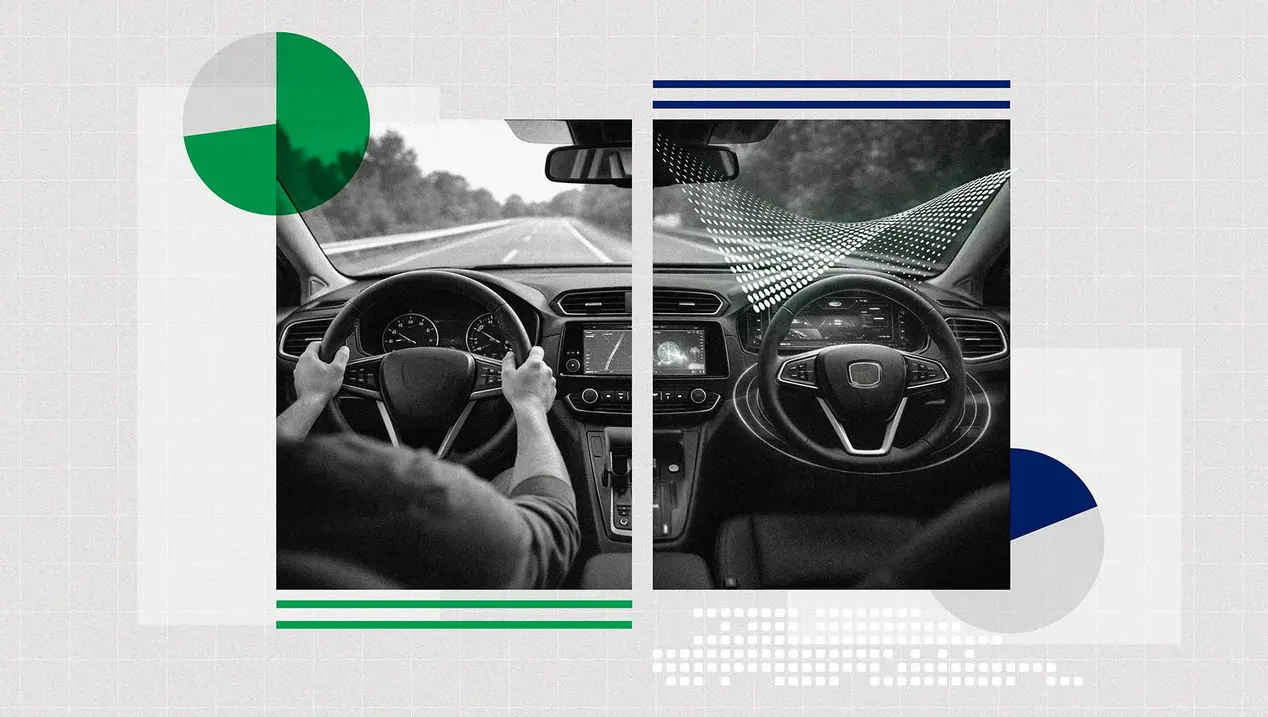
The survey data shows that nearly two-thirds of Americans now expect self-driving cars to be a common sight on U.S. roads within a decade. Currently, 31% of respondents believe self-driving cars will become widespread within five years, with another 34% expecting the process to take six to ten years. At the same time, as many as 73% of Americans say they would prefer to own a car they drive themselves, a figure virtually unchanged from 75% in 2018.
In terms of safety perception, public confidence in self-driving technology has actually declined. The survey shows that nearly 60% of Americans believe roads are safest when vehicles are driven entirely (36%) or primarily (22%) by humans. Only 19% of respondents believe that roads would be safer with fully self-driving cars (13%) or with self-driving cars as the majority (6%), compared to 28% in 2018. The proportion who believe fully self-driving cars are the safest has fallen from 18% in 2018 to 13% currently.
Demographic characteristics reveal significant differences in attitudes toward self-driving technology. Women (42%) are more likely than men (29%) to believe that roads are safest when vehicles are driven entirely by humans. Seniors aged 65 and over (42%) have a much stronger preference for fully human-driven cars than young people aged 18 to 29 (28%). Respondents without a college degree (41%) are more likely than college graduates (26%) to favor fully human-driven cars. Lower-income groups (48%) also have a stronger preference for human driving than middle-income (37%) and high-income (22%) groups.
In terms of actual experience, only 10% of U.S. adults report having ever ridden in a self-driving car. Those who have had this experience are mainly concentrated among men, high-income earners, college graduates, those aged 18 to 49, and residents of cities or suburbs. Data shows that people who have experience riding in self-driving cars are more likely to expect these cars to become widespread within five years, are more willing to own or lease a self-driving car, and believe they are safer.
Notably, while those aged 30 to 49, high-income adults, and people of color are most likely to expect self-driving cars to become widespread within five years, men, college graduates, high-income adults, people of color, and suburban residents are more likely to say they would own or lease a self-driving car in terms of personal use intention. However, even among these groups, the vast majority still prefer to drive cars themselves.
Analysts point out that as self-driving technology becomes more visible on U.S. roads, public expectations for its widespread adoption are rising, but skepticism remains deeply rooted. Compared to 2018, more Americans now believe that self-driving cars will become widespread within five years, but confidence in the safety of these cars has declined, and personal ownership intentions have not changed. The survey results suggest that wider personal use may depend not only on technological advancements themselves, but more on increasing public exposure and building trust.