Flesh-Eating Bacteria Devours 74-Year-Old Man's Arms and Legs in Just Three Days, Amputation Saves His Life
A 74-year-old man in Florida experienced rapid limb decay after swimming in the Gulf of Mexico and was rushed to the emergency room. Just three days prior, he was active on the coast, but a dive resulted in a cut on his right leg. The wound quickly became painful and bruised, and after two days, his right arm began to discolor.
According to a case report published in the *New England Journal of Medicine*, he arrived at the hospital in critical condition on the third day. The lower half of his lower leg was dark, indicating subcutaneous bleeding. Doctors heard a crackling sound during examination, indicating bubbles forming in the dying flesh, with portions of the outer skin already sloughing off. His arm was in equally dire condition, exhibiting redness, discoloration, and swelling, and a large bulla had formed, indicating a severe flesh-eating infection.
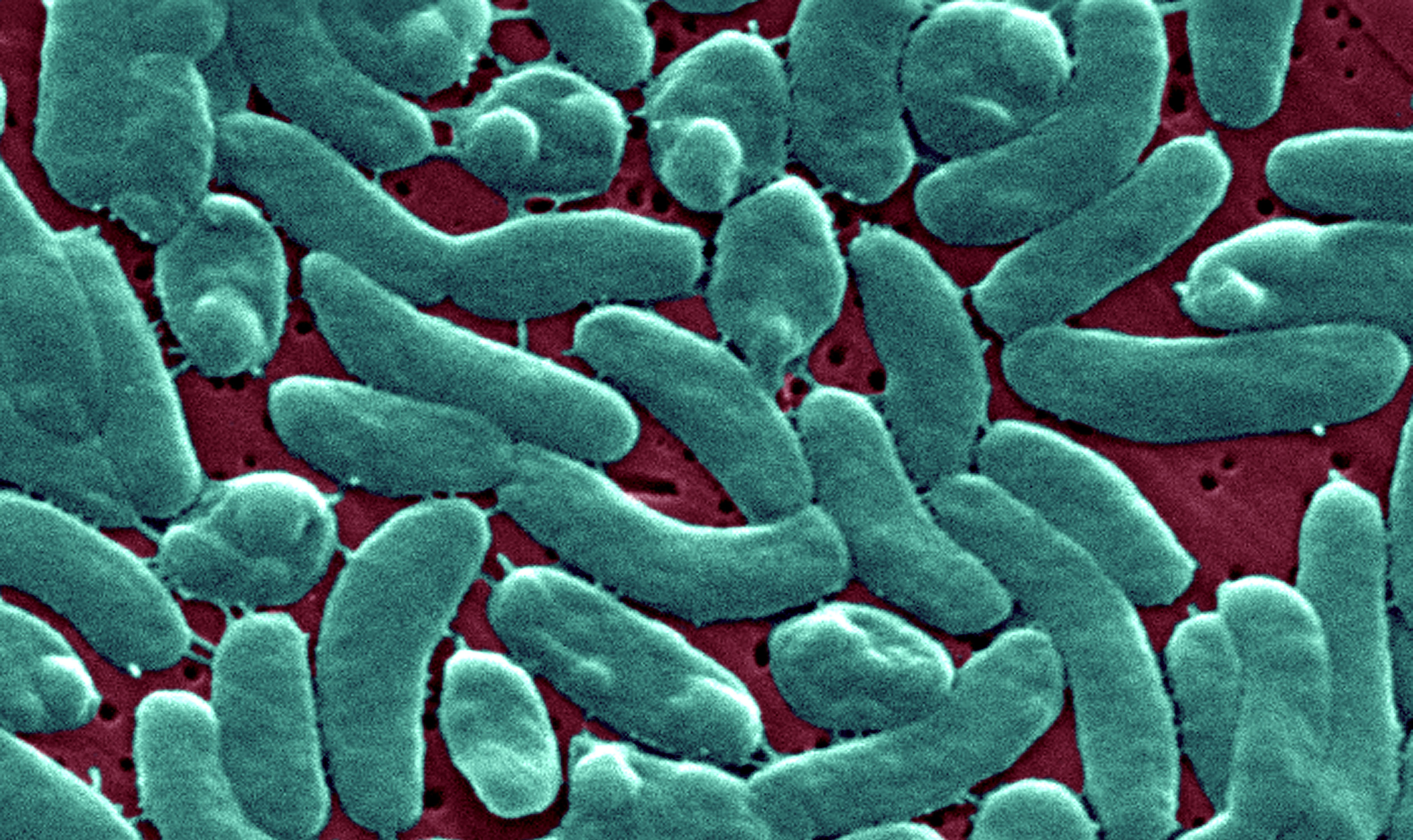
While the patient was urgently taken to the operating room for debridement of the necrotic and infected tissue, doctors began testing to identify the source of the infection. Blood and tissue samples revealed that the patient was infected with *Vibrio vulnificus*, a flesh-eating bacterium found in warm, brackish saltwater. *Vibrio vulnificus* can infect humans in two ways: one through wound infection from contact with contaminated water, as in this case; and two, more commonly, through the consumption of contaminated seafood. The bacteria reside in the stomachs of shellfish (especially oysters) and the intestines of fish. When ingested, the bacteria release enzymes to neutralize stomach acid and then invade from the intestines, potentially entering the bloodstream.
*Vibrio vulnificus* possesses a vast arsenal of molecular weapons, including a variety of toxins that help the bacteria hijack cells, scavenge nutrients, degrade structural proteins, disrupt tissue membranes, make blood vessels fragile, trigger destructive inflammation, suppress immune defenses, and inflict widespread devastation on the victim. The overall mortality rate for *Vibrio vulnificus* infection is around 35%. However, for those infected who also have underlying immunocompromising conditions or liver disease, the mortality rate rises to 50% to 60%. Similarly, patients who develop septicemia (a life-threatening infection response) have a mortality rate of approximately 50%. For patients like the one in this case, if antibiotic treatment or surgical debridement of necrotic tissue is delayed, the mortality rate jumps to 100%.
In this case, the man survived. However, his right leg was already severely damaged upon arrival at the hospital and had to be amputated above the knee. His forearm required extensive skin grafting, with skin harvested from other parts of his body. After antibiotic treatment and six months of rehabilitation, doctors reported that he was recovering well.
The case highlights the increasing threat of *Vibrio vulnificus* in the context of climate change, which medical experts view as an urgent public health concern. Rising water temperatures, expanding geographic distribution, and increasing antibiotic resistance are all contributing to the increased risk. Between 1998 and 2018, cases of *Vibrio vulnificus* in the United States increased eightfold, including spread to areas where the bacteria was previously considered rare, such as Massachusetts, New Hampshire, and Maine. The patient’s doctors wrote, “Given climate change-related factors, including rising water temperatures, storm surges, changes in salinity, and algal blooms, the abundance and geographic range of *Vibrio vulnificus* are expected to continue to increase.”
The U.S. Centers for Disease Control and Prevention recommends avoiding *Vibrio* infection by only eating thoroughly cooked seafood and washing hands after handling raw seafood. Avoid entering brackish water with open wounds, or at least cover them tightly. If injured in brackish water, or if an existing wound is exposed to such waters, wash immediately with soap and clean running water.