French Regulator: 75% of E-commerce Platform Products Violate EU Standards
A large-scale inspection by the French General Directorate for Competition, Consumer Affairs and Fraud Control (DGCCRF) revealed that 75% of products purchased from major e-commerce platforms do not meet EU standards, with nearly half deemed "dangerous." This finding comes as the EU tightens its regulation of cross-border e-commerce platforms.
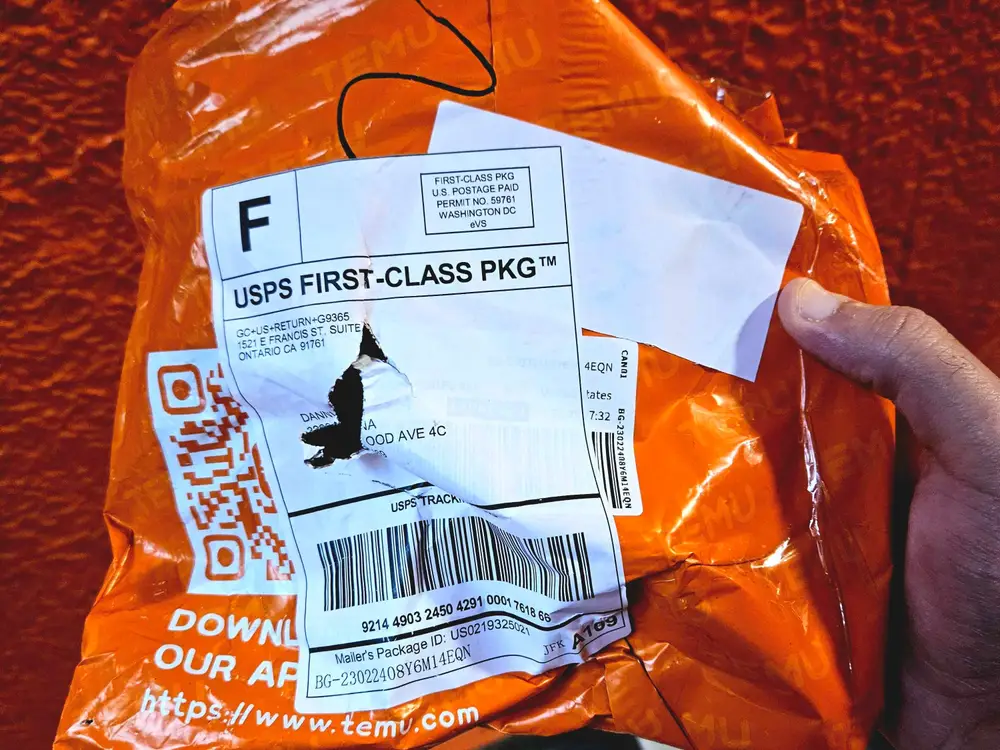
The French DGCCRF tested over 600 products purchased from seven foreign e-commerce platforms in 2024, tripling the number of tests conducted in previous years. The results showed that only 25% of products fully complied with EU standards. Among all tested products, 46% were not only in violation but also posed safety hazards such as electric shock, fire, choking, or contained excessive harmful chemicals.
The inspection results showed systematic violations. All electrical products tested were found to be non-compliant, with nearly three-quarters posing a risk of electric shock or fire. Children's products, jewelry, and clothing commonly presented choking hazards and exceeded chemical substance limits.
“When the violation rate reaches 70% to 75%, this is no longer an exception, but part of the business model,” DGCCRF officials stated at a press conference. The agency said the results would be submitted to the European Commission for handling.
Notably, the testing agency did not disclose the names of the seven platforms or their individual test results, citing the ongoing investigation.
The release of these inspection results coincides with the intensive introduction of regulatory measures by the EU and France targeting cross-border e-commerce platforms.
France has already imposed a €2 customs duty on each small parcel under €150 since March 1st of this year; the EU plans to impose a uniform import handling fee of €3 per low-value e-commerce parcel from July 1st.
According to 2024 data, 5.8 billion low-value e-commerce parcels entered the EU, 97% of which came from a single country.
Related Article:
EU Radically Reforms Customs Regulations, Signaling the End of the Era of Cheap Cross-Border Small Packages.