3,351 "Deceptive Trademarks" Have Been Rectified
Have you ever been frustrated by special trademarks like "120W" chargers, "Bai Xiang Duo Ban Dai" instant noodles, "Qian He 0+" soy sauce, "Hand-Made" noodles, "Three-Minute Miracle" shampoo, and "Earth" chickens and "Earth" pigs? Now, the state has taken action!
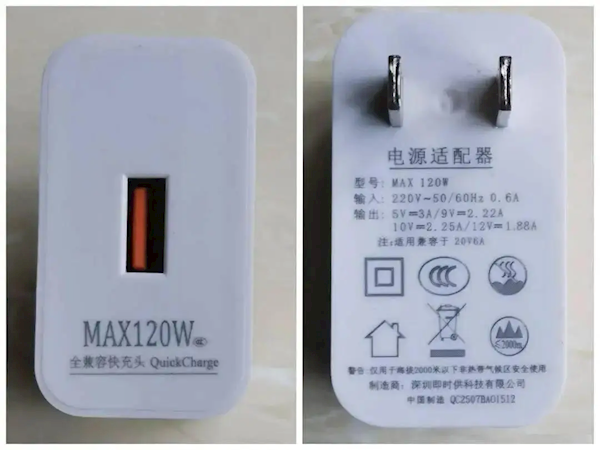
Currently, the National Intellectual Property Administration (NIPA) has formulated a special work plan for trademarks that have been registered in accordance with regulations but exhibit serious misleading behavior during use. As of now, a cumulative total of 3,351 such trademarks have been declared invalid through official authority.
In fact, since 2023, NIPA has rejected 1.273 million applications for "deceptive trademarks" that are easily misleading to consumers.
NIPA’s official website homepage has also specifically created a dedicated column for "deceptive trademark" handling, accepting public reports, publishing typical cases, and continuously updating trademarks that have been declared invalid for being deceptive, with 1,114 cases now effective.
For example, "120W." Since April 2024, multiple applicants have sought to register trademarks with "120W" as a prominent feature on products such as portable chargers. The Trademark Office has rejected these applications on the grounds that "the use of this mark on the designated goods is likely to cause the public to misidentify the functions and characteristics of the goods." These trademarks have never been registered.
It is reported that the "Trademark Law (Revised Draft)" specifically adds legal provisions targeting "misleading use of registered trademarks."
This means that in the future, anyone who deceives consumers under the guise of trademarks will face more severe penalties.
At the same time, the "2026 Intellectual Property Administrative Protection Work Plan" specifically lists the misleading behavior of combining trademarks with product names and promotional language as a key area for rectification.
Rui Wenbiao, Deputy Director of NIPA, stated that NIPA will strictly control the registration review process, rigorously examine applications that fabricate information regarding quality, function, and origin, and resolutely reject trademark applications that are easily misleading to consumers.