Amazon and Meta Join Forces to Pressure Indian Regulators, Challenging Google Pay and PhonePe's Market Dominance
Amazon and Meta are joining a group of large tech and payment platforms to lobby Indian regulatory bodies regarding the dominant position of GooglePay and Walmart-owned PhonePe in India's rapidly growing instant payment network.
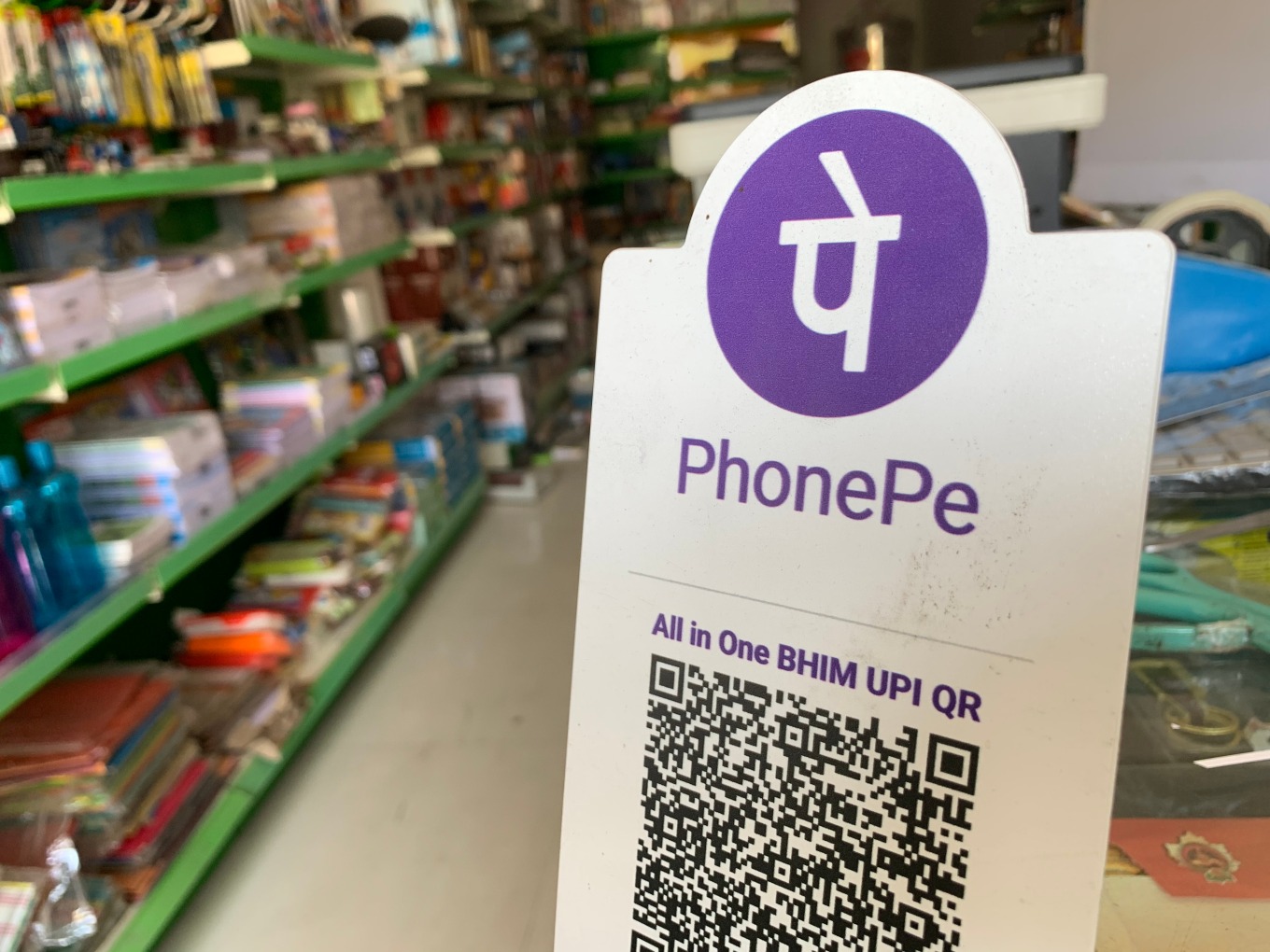
Executives from platforms including Amazon Pay, WhatsApp, CRED, MobiKwik, and Flipkart-owned Super.money are scheduled to meet with the National Payments Corporation of India (NPCI) this Thursday. The NPCI operates the Unified Payments Interface (UPI), which currently processes billions of transactions monthly and is one of India's core instant payment infrastructures.
This meeting comes over a year after India postponed the implementation of UPI market share limits. Originally, no single UPI app was to exceed 30% of transaction share, but India has delayed this arrangement until December 31, 2026. This delay has effectively allowed PhonePe and Google Pay to maintain their leading advantage and has heightened concerns among other smaller players about further compression of the competitive space.
According to NPCI data, as of March 2026, PhonePe and Google Pay together accounted for approximately 80% of the 22.6 billion transactions on the UPI network. In comparison, competitors such as Paytm, Flipkart-owned Super.money, CRED, Amazon Pay, and MobiKwik are significantly smaller in scale.
PhonePe announced this week that its registered user base in India has exceeded 700 million, with 50 million merchant partners. The company states that merchants supporting its payment services cover over 98% of postal code areas in India. This vast user and merchant network is a key reason for its continuously strengthening market position, while smaller platforms believe that such coverage is almost impossible to replicate in the short term.
A meeting agenda reviewed by TechCrunch indicates that participating companies are expected to focus on issues such as user acquisition methods, product design, and commercialization mechanisms within the UPI ecosystem. Several companies plan to advocate for: limiting certain ways in which leading apps acquire users and their use of contact data; requiring fairer access opportunities for features such as auto-debit and payment authorization; and calling on regulators and industry organizations to provide incentives and policy support to help new entrants enhance their competitiveness.
From the perspective of these platforms, they are increasingly finding it difficult to achieve effective breakthroughs on their own when facing the two dominant players in the instant payment sector, and therefore hope that regulators will intervene to balance the market landscape. However, the NPCI, regulated by the Reserve Bank of India, has historically struggled to find feasible ways to curb rising market concentration without impacting the daily payment experience of hundreds of millions of users.
Related Articles:
India Delays Rules Again to Break PhonePe and Google Pay's Duopoly in Payments Market