General Motors to Massively Upgrade In-Car AI: Gemini to Cover Approximately 4 Million Vehicles in the US via OTA
General Motors is pushing a large-scale in-car software upgrade, planning to introduce Google's latest Gemini AI assistant to approximately 4 million vehicles in the US via over-the-air (OTA) updates, covering 2022 and later Cadillac, Chevrolet, Buick, and GMC models equipped with the "Google built-in" system. The entire rollout is expected to take several months.
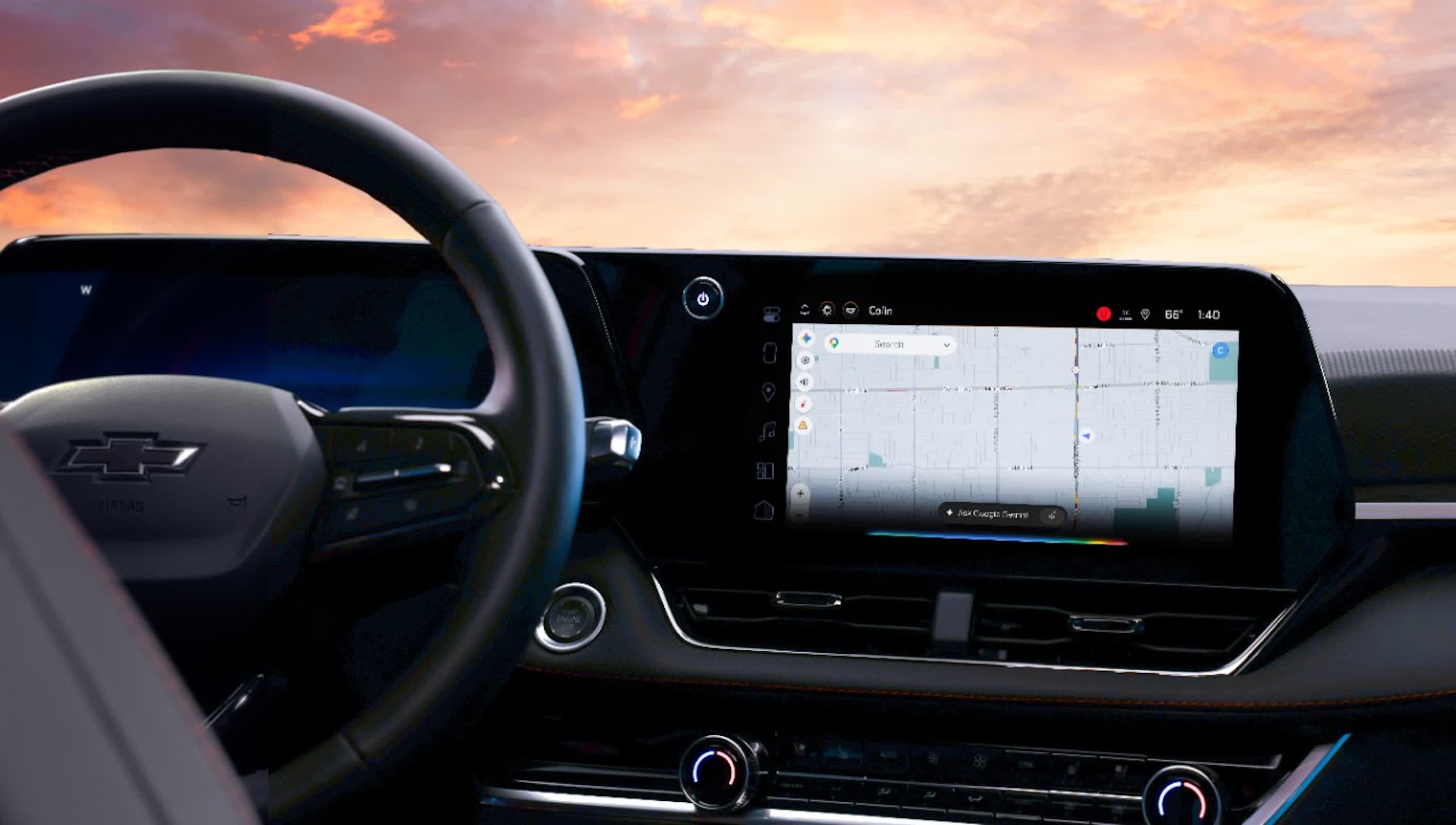
This update will replace the existing Google Assistant in-car experience, upgrading to a more advanced AI assistant system. General Motors calls this "one of the largest Gemini deployments in the industry" and says users will clearly feel the transition from the current Google Assistant to an AI assistant that is "smarter, more intuitive, and constantly evolving."
In terms of actual functionality, Gemini is built on the existing voice interaction framework, but is no longer limited to traditional command-based operations. Drivers can still use voice commands to send messages, control navigation, and access music, but the new system emphasizes natural language understanding and open-ended request processing. Users don't need to deliberately use fixed phrases and can communicate with the vehicle more naturally.
This upgrade also reflects a broader change in automotive interaction experiences. In the past, in-car voice systems played a greater role in function switching and simple command execution; now, voice assistants are gradually evolving into intelligent assistants with contextual understanding capabilities. General Motors' deep integration of Gemini into the infotainment system essentially treats the car as another connected terminal, making the in-car AI experience closer to the usage patterns users are already familiar with on their phones and other smart devices.
In the initial phase of deployment, the new system will only support American English. General Motors says it will subsequently expand to more markets and language versions. This phased approach is related to both technical adaptation and regulatory requirements, especially as localization of voice models, recognition accuracy, and compliance still need to be gradually improved.
In addition to the software upgrade, General Motors also simultaneously disclosed another important advancement in its driving assistance technology. The company said that vehicles equipped with the Super Cruise system have collectively achieved 1 billion miles of hands-free driving. The system can operate on many completed high-definition mapped highways in the United States and Canada, taking over steering, acceleration, and braking under certain conditions, allowing drivers to drive without holding the steering wheel for a short period of time.
It should be noted that Super Cruise is not a fully autonomous driving system, but in terms of usage scale, its market acceptance is considerable. General Motors says nearly 750,000 vehicles are currently equipped with the system, and this high cumulative mileage demonstrates continued user use of the feature, and also allows General Motors to continue to compete directly with Tesla Autopilot and Full Self-Driving in the driving assistance field.
Overall, the large-scale deployment of Gemini and the achievement of the 1 billion-mile milestone for Super Cruise highlight that General Motors is simultaneously strengthening its in-car software capabilities and driving assistance layout. For today's automotive industry, especially artificial intelligence software, it is becoming an important component of corporate competitiveness, and General Motors' push of more advanced conversational AI to millions of vehicles further illustrates that the trend of software-defined vehicles is accelerating.