Airbnb Hosts Invested Heavily in Renovations for the World Cup, Now Anxiously Await Bookings
Despite significant investment by many Airbnb hosts in renovating their properties for the World Cup, booking demand remains weak. Mei Stewart spent two years preparing her Atlanta home for rental during the tournament, undertaking extensive renovations and carefully studying competitor pricing.
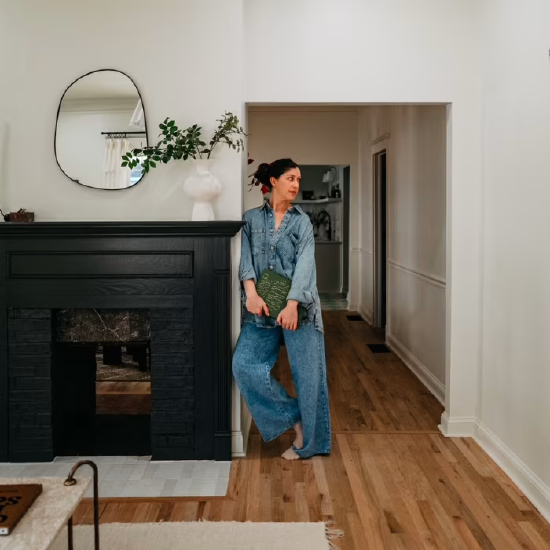
To attract World Cup fans, Mei Stewart invested approximately $60,000 in renovating her home.
Stewart invested around $60,000 in carefully renovating the three-bedroom property, hoping to attract World Cup spectators willing to pay a premium. Pricing for a week in mid-July during the tournament is around $4,500, about three times the usual rental rate after the World Cup.
Currently, she can only wait for guests to place orders.
With less than two months until the World Cup kicks off, Stewart is one of thousands of Airbnb hosts hoping for a last-minute surge in bookings. The low booking willingness from tourists is due, in part, to soaring match ticket prices and rising airfares. Additionally, many foreign fans have been discouraged from traveling to the US to watch the games due to the American political climate and increasingly complex entry procedures.
Airbnb officials reassured hosts not to panic, stating that bookings for major events typically surge on the eve of the opening.
Juan David Borrero, Airbnb's Head of Global Policy, explained that many fans will wait to confirm their team's advancement to the next round before booking accommodation for subsequent matches.
“As the tournament progresses, demand will definitely increase. This is the normal pattern for World Cup bookings,” he said.
However, this wait requires immense patience for hosts who have been anticipating for months, or even years, to make a substantial profit. Currently, the vast majority of World Cup properties on Airbnb and the short-term rental platform Vrbo remain unbooked.
Short-term rental data firm AirDNA data shows that the occupancy rate for available short-term rentals during the Philadelphia World Cup group stage is only 42%; higher than the 29% during the same period last year, but most properties remain vacant. Boston is the only city with an occupancy rate exceeding 50%, at around 55%.
Stewart admits, “I no longer expect to make a big profit like I originally thought.”
Previously, Airbnb commissioned a report from Deloitte, which predicted strong demand for short-term rentals during the World Cup, mainly because major events tend to drive up hotel prices.
However, actual accommodation demand is very sluggish. Some hotels have proactively lowered prices, and Yang Freitag, an analyst at Costa Hotel Data, said that many hotels have also relaxed the minimum stay restrictions. Hotel bookings in some host cities are even lower than during the same period last year.
Freitag bluntly stated, “Where is the excitement you’d expect from the World Cup?”
Meanwhile, Airbnb is stepping up its World Cup marketing efforts. According to Deloitte’s analysis, this month-long World Cup (June-July) is expected to generate over $200 million in revenue for platform hosts. The platform is also launching a new user cash reward of $750.
The platform has launched a revenue calculator that estimates host earnings based on market demand: for example, a three-bedroom property rented out for the entire month in Philadelphia is expected to generate over $8,000.
Some cities are also cooperating with Airbnb to introduce favorable policies, such as Kansas City reducing licensing fees for homestays during the World Cup; however, strict short-term rental regulations in cities like New York have directly discouraged many potential hosts.
Borrero said that Airbnb is hosting offline sharing sessions for hosts in 16 host cities in the US, Mexico, and Canada, and participation has surged.
Jamie Lane, Chief Economist at AirDNA, pointed out that properties that haven’t been rented yet are generally priced much higher than those that have been booked. Many tourists are accustomed to booking at the last minute and are willing to pay a premium; however, many hosts are overly optimistic in their pricing.
“There are always some idealistic hosts who think they can charge $2,000 or $5,000 per night,” Lane said.
Some hosts are also sticking to their prices, believing that bookings will increase later.
Carter Langoria owns an apartment downstairs from his home in Houston, and only a third of it has been rented for the World Cup period. The property was originally purchased with the selling point of being “suitable for an Airbnb homestay.”
Langoria has had bad experiences with homestays, once encountering a tenant who threw a party and trashed the house. However, he still sees the World Cup as a good opportunity to increase income. He prices slightly below local hotels, closely monitors competitor price adjustments, and refuses to lower his prices.
“There aren’t many available properties on the market, and I have no plans to lower my prices,” Langoria said.
The platform’s $750 new user reward hasn’t convinced everyone.
Zach McKenney lives in a three-bedroom townhouse in Seattle, just a 20-minute drive from the venue for the US-Australia match in mid-June. He saw Airbnb’s advertisement but is still hesitant: is it worth renting the house to strangers for a few thousand dollars?
He admits, “If I can rent it for over $500 a day, it’s very tempting. We can go camping and net $2,000.”
However, he roughly calculated that simply storing his belongings and cleaning the house would cost nearly $1,000; considering the risk of property damage, the deal becomes less attractive.
Airbnb officials said that property damage during homestay is rare, and the platform has a dedicated guarantee plan to cover losses of property and belongings.
Even so, McKenney remains concerned: “We just bought a very nice bunk bed for the kids, and I’m worried it will be damaged.”