Spotify Launches “Official Verification” Artist Badge to Distinguish Humans from AI Content
As AI-generated musician personas and songs flood streaming platforms, Spotify recently announced a new “Verified by Spotify” certification badge to help listeners more easily identify real human artists.
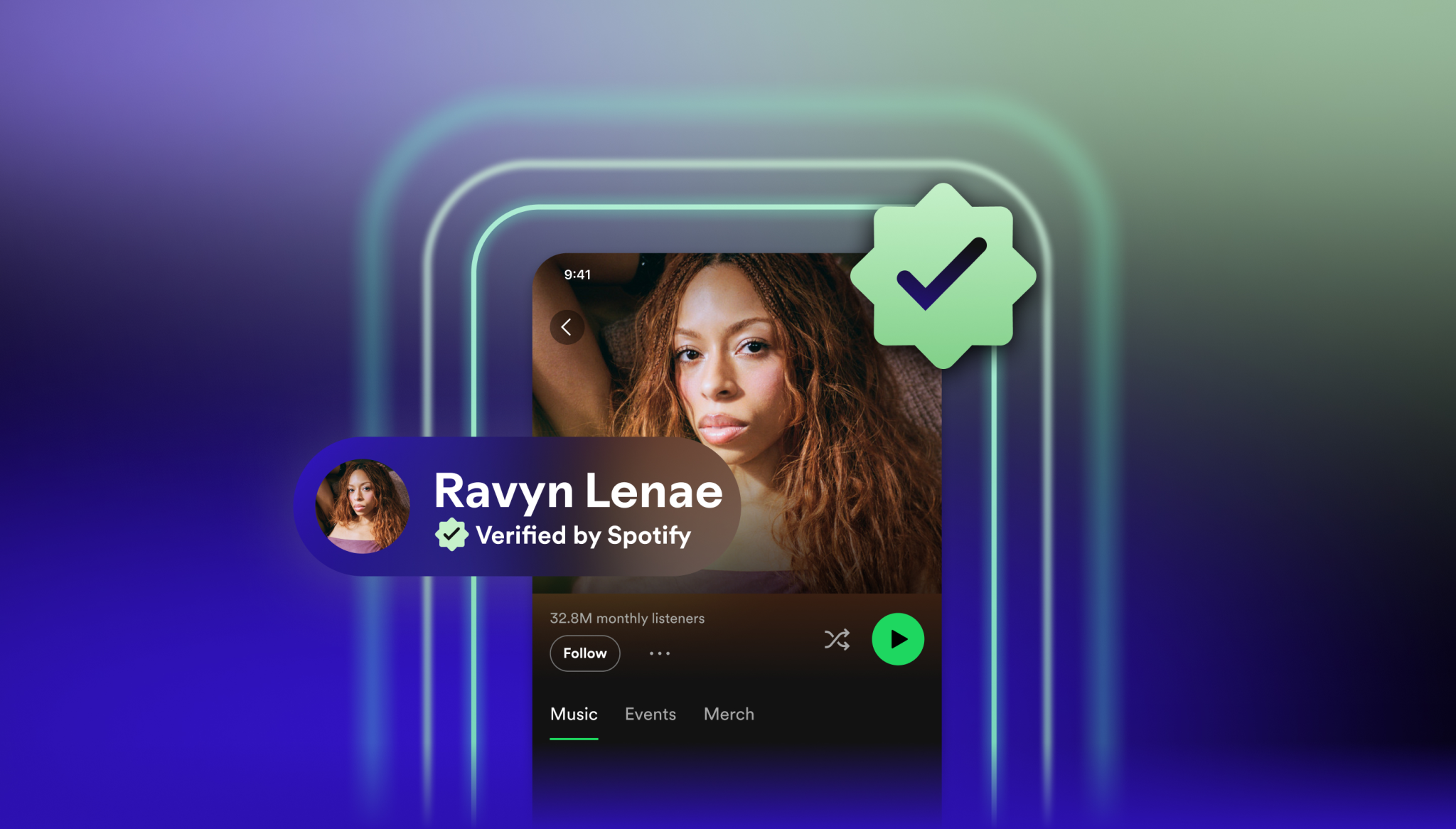
According to information released by Spotify, artists must meet a series of conditions to obtain this certification badge. The platform will examine whether they have a clear and identifiable real-world presence both on and off the platform, such as performance dates, merchandise sales, and whether they have linked social media accounts to their artist page. Accounts primarily generated by AI music, or centered around AI personality personas, will not be eligible for certification.
In addition to verifiable identity, Spotify also requires relevant artists to have stable listener activity and engagement performance over a period of time. The platform emphasizes that certification will focus on artists who are actively searched for and consistently followed by users, rather than accounts that have only gained attention due to a short-term surge in traffic.
Spotify says that in the initial phase of the feature launch, over 99% of artists actively searched for by users will have a certification badge. The majority of these are independent musicians, covering various genres, career stages, and regional distributions.
In the coming weeks, users will gradually see this new badge on artist pages and next to artist names in search results. The badge will display the words “Verified by Spotify” and be accompanied by a green checkmark icon.
However, Spotify also points out that due to the large number of artist profiles on the platform, the certification process will be carried out gradually and continuously. The fact that an account does not currently display a certification badge does not mean that it will not be certified in the future.
In terms of certification priority, Spotify will favor artists with active fan followings and who have made significant contributions to music culture, rather than so-called “functional music” creators. The latter typically refers to background music, focus music, and other content created around algorithm optimization, which is more geared towards passive playback or companion listening scenarios.
In an official blog post, Spotify stated that this new certification program was designed after careful consideration of listener and artist needs, and will continue to be iterated and improved in the future. The platform hopes to make it easier for users to trust and understand the human creative entity behind the music they listen to on Spotify, and to further establish long-term and meaningful connections with their favorite artists and works.
In addition to the certification badge, Spotify has also simultaneously launched a test of a new artist page information module, which is currently available in beta form on all artist profile pages. The module will display the artist’s career milestones, release updates, and tour activities. Spotify says that even if some artists have not yet met the certification standards, users can quickly understand their real-world activity through this section.
This update is one of Spotify’s latest moves in response to low-quality AI-generated content and impersonation issues. Just last month, the company began testing a new feature called “Artist Profile Protection” that allows artists to review works before they officially appear on their profile, giving them greater control over which songs can be associated with their name.
Spotify’s push for these measures comes against the backdrop of the entire streaming industry facing the reality of rapidly expanding AI music content. Just a few weeks ago, Sony Music said it had asked several streaming services to remove more than 135,000 AI-generated songs that impersonated artists on its roster. While Spotify has not disclosed the specific scale of newly added AI tracks on its platform, its competitor Deezer revealed last week that AI-generated content now accounts for 44% of the music uploaded to the platform each day.