Data Center Hiring Spree Slows Housing Construction in Texas
The rapid expansion of AI data centers in Texas is clashing with a long-standing problem: a housing shortage. Builders report that electricians are being drawn to data center projects with higher wages, delaying the completion of new homes by up to two months.
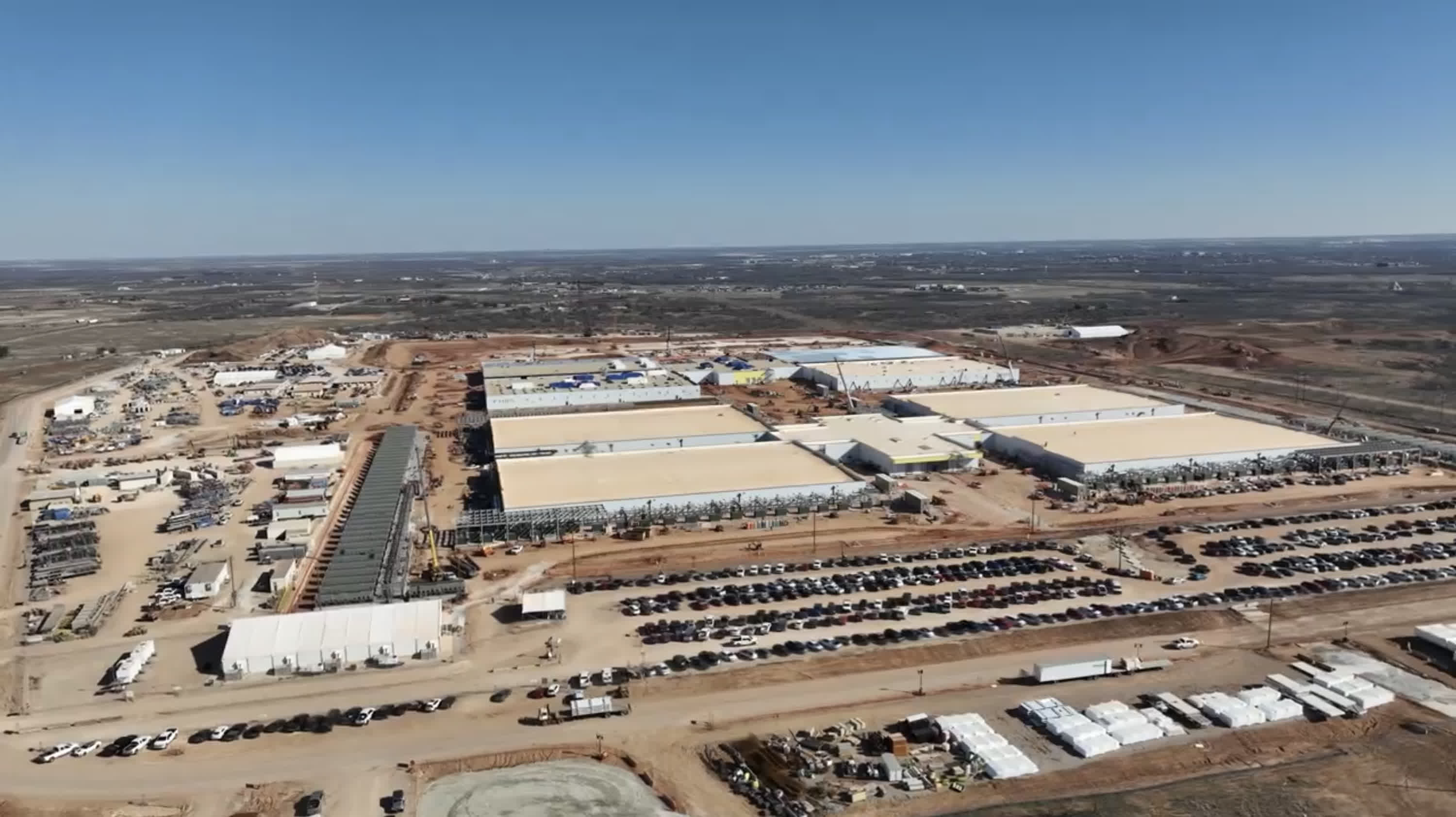
According to reports, Gene Lantrip, a builder in Abilene, Texas, said his residential construction timelines began to noticeably slip after the nearby "Stargate" AI park broke ground. The 4 million square foot project, backed by OpenAI, Crusoe, and Oracle, is part of a new wave of data center construction sweeping Texas. Currently, Texas has over 300 data centers in operation, with approximately 100 more planned or under construction.
The issue isn't that electricians are particularly enthusiastic about the AI industry itself, but rather that data center jobs offer significantly higher pay. Scotty Wristen, head of Abilene electrical contractor WE Electric, says he can pay his workers around $20 an hour, while data center projects offer $35 an hour, plus overtime and per diem, representing a roughly 75% higher compensation level. Small contractors are almost unable to compete.
From an industry structure perspective, the reason electricians have become a core profession sought after by data centers is directly related to the complexity of electricity use in these projects. The International Brotherhood of Electrical Workers points out that electrical construction can account for 45% to 70% of the overall construction budget for a data center. Because these facilities need to safely distribute massive amounts of power to a large number of high-energy servers, cooling systems, backup equipment, and network hardware, residential projects simply cannot compete with AI parks in terms of profit margins and budget intensity.
For Texas, the timing of this labor dispute is particularly sensitive. Since 2020, Texas has added more than 2.6 million people, further increasing the demand for new housing. At the same time, the electrician workforce is aging: approximately 20,000 electricians leave the industry each year nationwide, and one in three electricians is between the ages of 50 and 70. Texas currently has about 71,000 employed electricians, but it often takes years of apprenticeship training and practical experience for new entrants to obtain a license.
Facing pressure, the Texas government is trying to ease labor shortages by relaxing license transfer rules. Since November of last year, Texas has made it easier for electricians from Iowa, Alabama, and Arkansas to transfer their licenses, and is also expanding the scale of training programs. However, these measures offer limited help to developers who urgently need to complete and deliver homes now.
This turmoil is also lengthening the list of questions surrounding AI data centers. Previously, many communities have expressed dissatisfaction with the high electricity demand, water pressure, noise, tax incentive arrangements, and lack of permanent jobs brought by data centers. Now, as residential construction is also affected, the conflict between AI infrastructure expansion and local livelihood resources is becoming more prominent.