Samsung Warns Memory Shortage May Continue Until 2027, with AI Data Centers Showing the Most Obvious Demand
Samsung Electronics stated that the tight memory supply, currently driving up prices for various electronic products, is unlikely to ease in the short term and may even worsen next year. According to Reuters and information from Samsung's earnings conference call, this severe memory shortage is mainly driven by a surge in demand from AI data centers, and its impact has expanded from mobile phones to more consumer electronics categories such as handheld gaming devices.
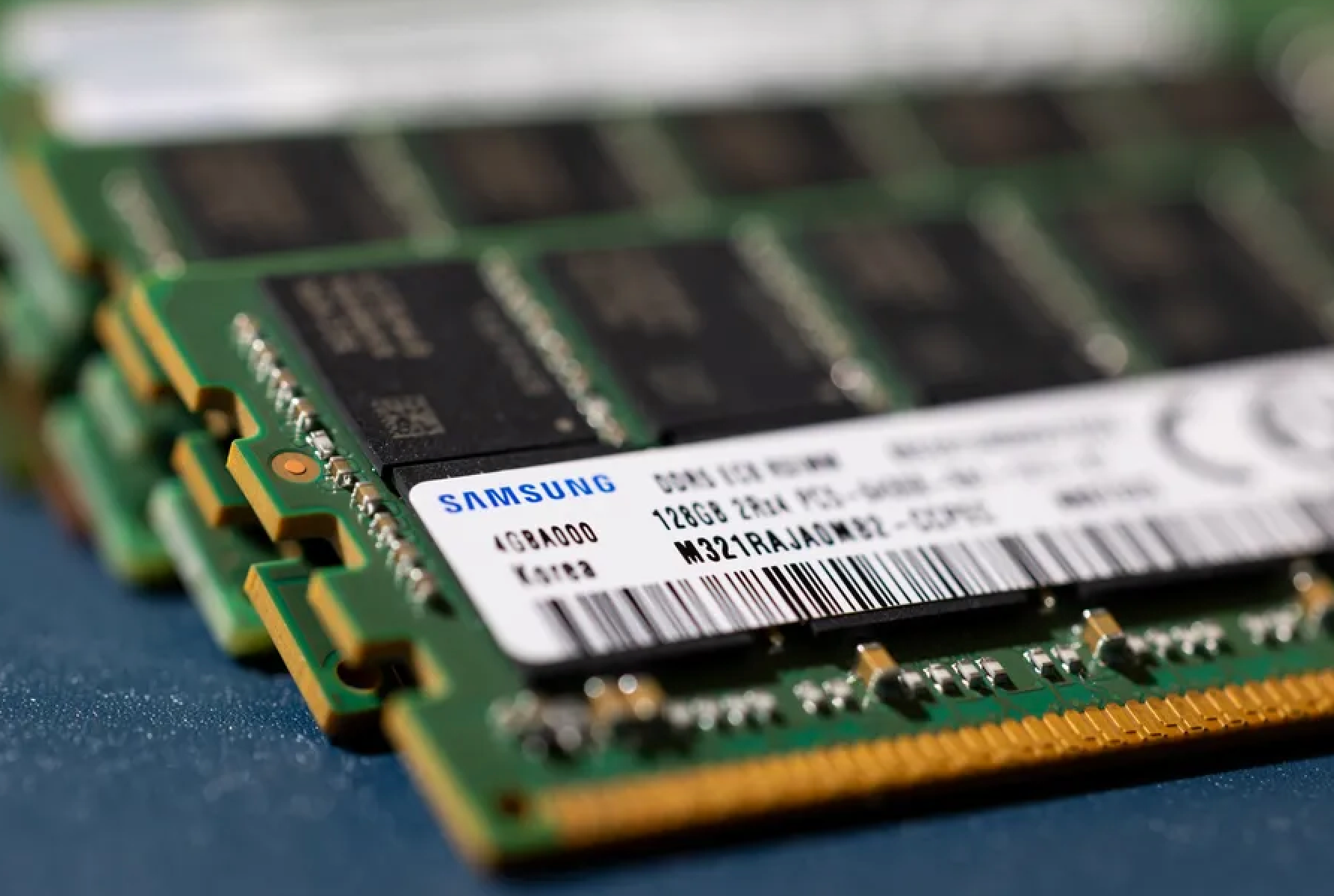
During the earnings conference call held on Thursday local time, Samsung explicitly predicted that this memory shortage will not only continue into next year but also carries the risk of a further widening supply-demand gap. Kim Jae-joon, a senior executive in Samsung's memory chip business, stated at the conference that the company's current supply falls far short of customer demand, and based on the demand received so far for 2027, the supply-demand gap in 2027 will be even larger than in 2026.
This assessment echoes industry news from earlier this month. Earlier reports indicated that global major RAM manufacturers may not have the opportunity to catch up with market demand until around 2030, indicating that this round of memory tightness is not a short-term fluctuation, but rather a structural pressure lasting for many years.
At the same time, Samsung also faces potential disruptions on the production side. Reports mentioned that if Samsung and the union fail to reach an agreement soon, its chip supply situation may be further strained, as the union plans to launch an 18-day strike starting May 21st.
From a market impact perspective, the shortage of memory supply is continuously pushing up the cost of terminal hardware and may continue to be passed on to the consumer electronics industry chain in the future. Against the backdrop of continued enthusiasm for AI infrastructure construction and uncertainties on the manufacturing side, the tight situation in the global memory market still seems far from over.